TSLA407.09018.19%
GM81.9903.94%
F13.0000.56%
RIVN17.6300.74%
CYD42.9500.6281%
HMC25.3500.99%
TM219.0356.175%
CVNA393.08030.84%
PAG162.9306.91%
LAD287.87013%
AN209.21510.925%
GPI352.37016.89%
ABG214.53010.44%
SAH71.0503.68%
TSLA407.09018.19%
GM81.9903.94%
F13.0000.56%
RIVN17.6300.74%
CYD42.9500.6281%
HMC25.3500.99%
TM219.0356.175%
CVNA393.08030.84%
PAG162.9306.91%
LAD287.87013%
AN209.21510.925%
GPI352.37016.89%
ABG214.53010.44%
SAH71.0503.68%
TSLA407.09018.19%
GM81.9903.94%
F13.0000.56%
RIVN17.6300.74%
CYD42.9500.6281%
HMC25.3500.99%
TM219.0356.175%
CVNA393.08030.84%
PAG162.9306.91%
LAD287.87013%
AN209.21510.925%
GPI352.37016.89%
ABG214.53010.44%
SAH71.0503.68%

New car supply remains steady even as EV inventory outstrips ICE

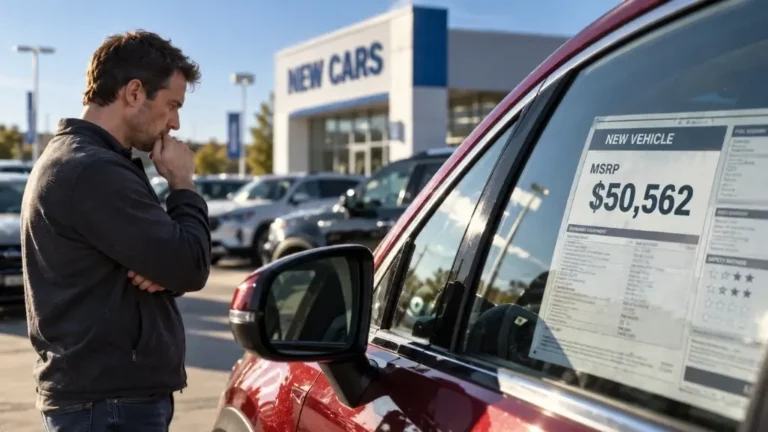
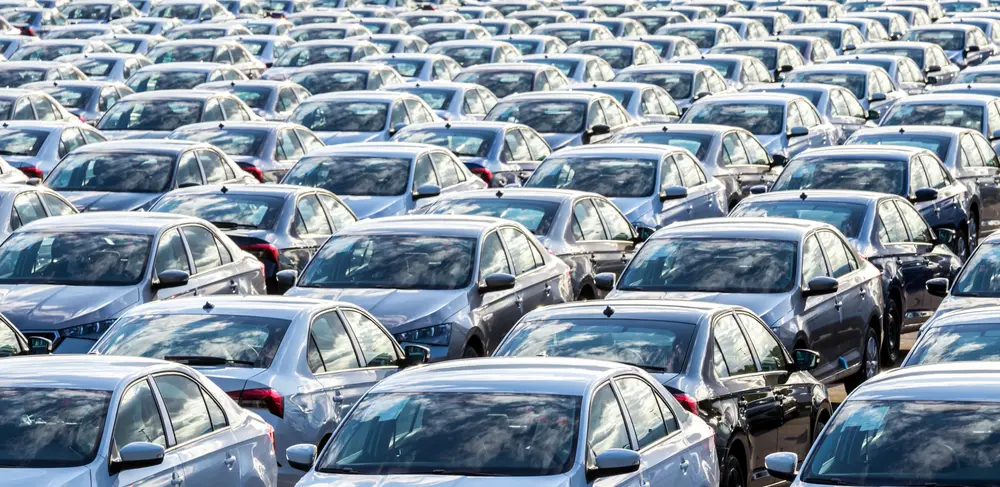
Dealers continued to see a healthy new car supply in June, as inventories shrank slightly from May but remained much greater than in 2022.

Dealers continued to see a healthy new car supply in June, as inventories shrank slightly from May but remained much greater than the previous year’s total.

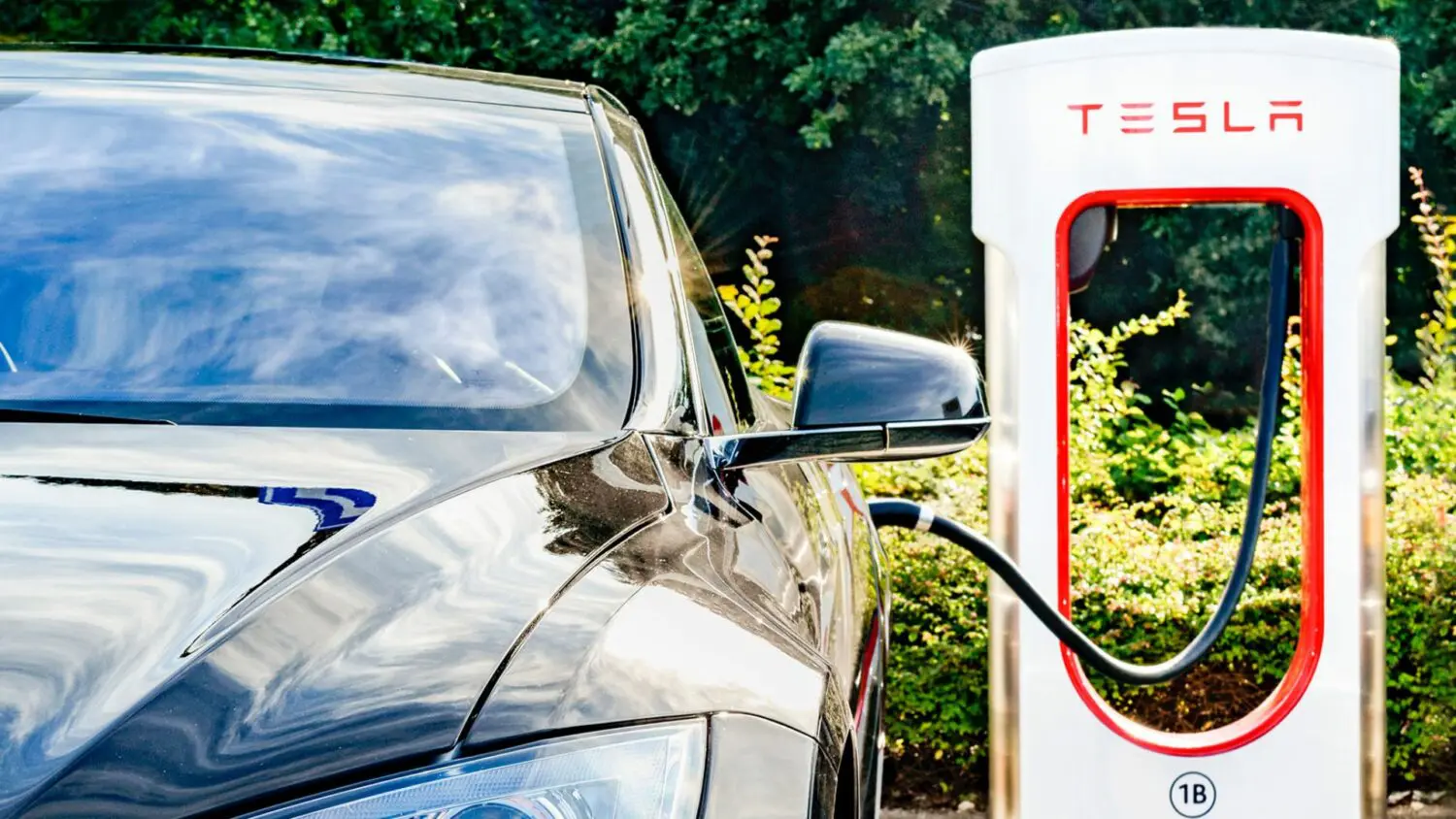
By the month’s end, 1.95 million vehicles were waiting for buyers on dealership lots, slightly down from May but 75% higher than in June 2022. Cox Automotive reports that the average new car supply also declined slightly from the previous month to 53 days, although the measurement still represents a 39% improvement over the prior year. While ICE trends remained stable, electric vehicle inventory showed distinct characteristics from other segments. Days’ supply of new EVs was nearly double that of gas-powered cars, with enough units to sustain dealers for 103 days. However, available inventory remained far lower than the rest of the market, with dealers carrying only 90,953 models at the end of June.

New car sales showed significant improvements over the previous year, growing 20% in June. Charlie Chesbrough, senior economist at Cox Automotive, said the increase was “surprisingly strong” and attributed the growth to “Pent-up demand from individuals and businesses that could find their product or a price they were willing to pay last year…” Electric vehicle deliveries also improved from 2022, helping sales for the segment break a new quarterly record. New cars were only 1.6% more expensive than the previous year, with steep discounts in the EV market suppressing a more significant increase.

The normalizing trends of inventory, pricing and sales are encouraging signs for dealers who are hoping for stability after the turmoil of COVID. However, should the new car market begin to reflect pre-pandemic conditions, store owners and their teams may find it more challenging to keep profits and revenue high. A swift adaptation to this new “normal” economy will be essential for businesses in the retail automotive sector in the coming months.

Read More
More from Articles
GM leans on global production to supply U.S. market amid cost pressures

GM leans on global production to supply U.S. market amid cost pressures

- April 17, 2026
On the Dash: Imported inventory may create variability in delivery timing and supply consistency. Trade policy shifts could impact the pricing and availability of certain models. Global production strategies may...
Volkswagen ends U.S. EV output, triggering $600 million financial hit 

Volkswagen ends U.S. EV output, triggering $600 million financial hit 

- April 17, 2026
On the Dash: Slower EV demand may impact inventory planning and turn rates for electric models. Production pullbacks could tighten EV supply or shift sourcing toward imports. Ongoing cost pressures...
March sales surge tightens inventory, affordability gaps persist

March sales surge tightens inventory, affordability gaps persist

- April 17, 2026
On the Dash: Faster March sales improved inventory flow, but demand remains uneven heading into Q2. Limited sub-$40K inventory continues to constrain volume opportunities. Rising incentives indicate growing pressure to...
Independent shops are gaining ground, but dealerships retain advantages in expertise, loyalty, and digital tools: New CDK Service Shopper 5.0 survey shows

Independent shops gain ground as dealerships face mounting pressure

- April 17, 2026
On the dash: Independent shops are gaining share, but dealerships still lead at 42% overall service volume. Dealerships win on expertise, OEM parts access, EV repairs, and stronger customer loyalty...
CBT News
Privacy Overview

This website uses cookies so that we can provide you with the best user experience possible. Cookie information is stored in your browser and performs functions such as recognising you when you return to our website and helping our team to understand which sections of the website you find most interesting and useful.