TSLA393.450-31.85%
GM76.0000.48%
F13.350-0.29%
RIVN18.6301.45%
CYD43.390-2.9%
HMC28.0200.76%
TM174.5904.93%
CVNA68.5900.72%
PAG179.4202.34%
LAD306.23015.93%
AN186.4102.08%
GPI288.3901.79%
ABG205.4007.38%
SAH83.7300.68%
TSLA393.450-31.85%
GM76.0000.48%
F13.350-0.29%
RIVN18.6301.45%
CYD43.390-2.9%
HMC28.0200.76%
TM174.5904.93%
CVNA68.5900.72%
PAG179.4202.34%
LAD306.23015.93%
AN186.4102.08%
GPI288.3901.79%
ABG205.4007.38%
SAH83.7300.68%
TSLA393.450-31.85%
GM76.0000.48%
F13.350-0.29%
RIVN18.6301.45%
CYD43.390-2.9%
HMC28.0200.76%
TM174.5904.93%
CVNA68.5900.72%
PAG179.4202.34%
LAD306.23015.93%
AN186.4102.08%
GPI288.3901.79%
ABG205.4007.38%
SAH83.7300.68%

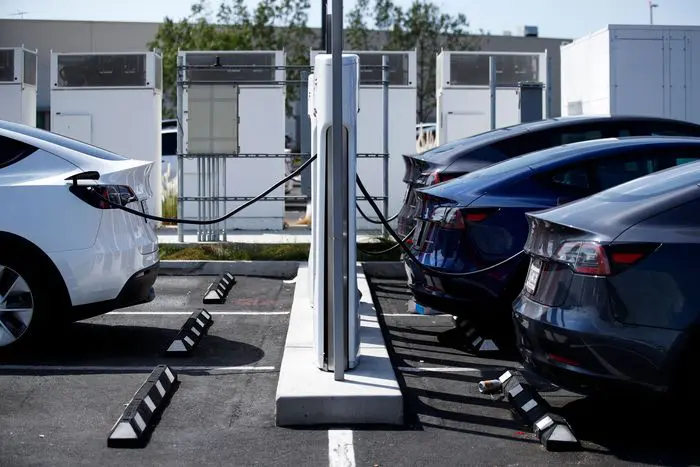
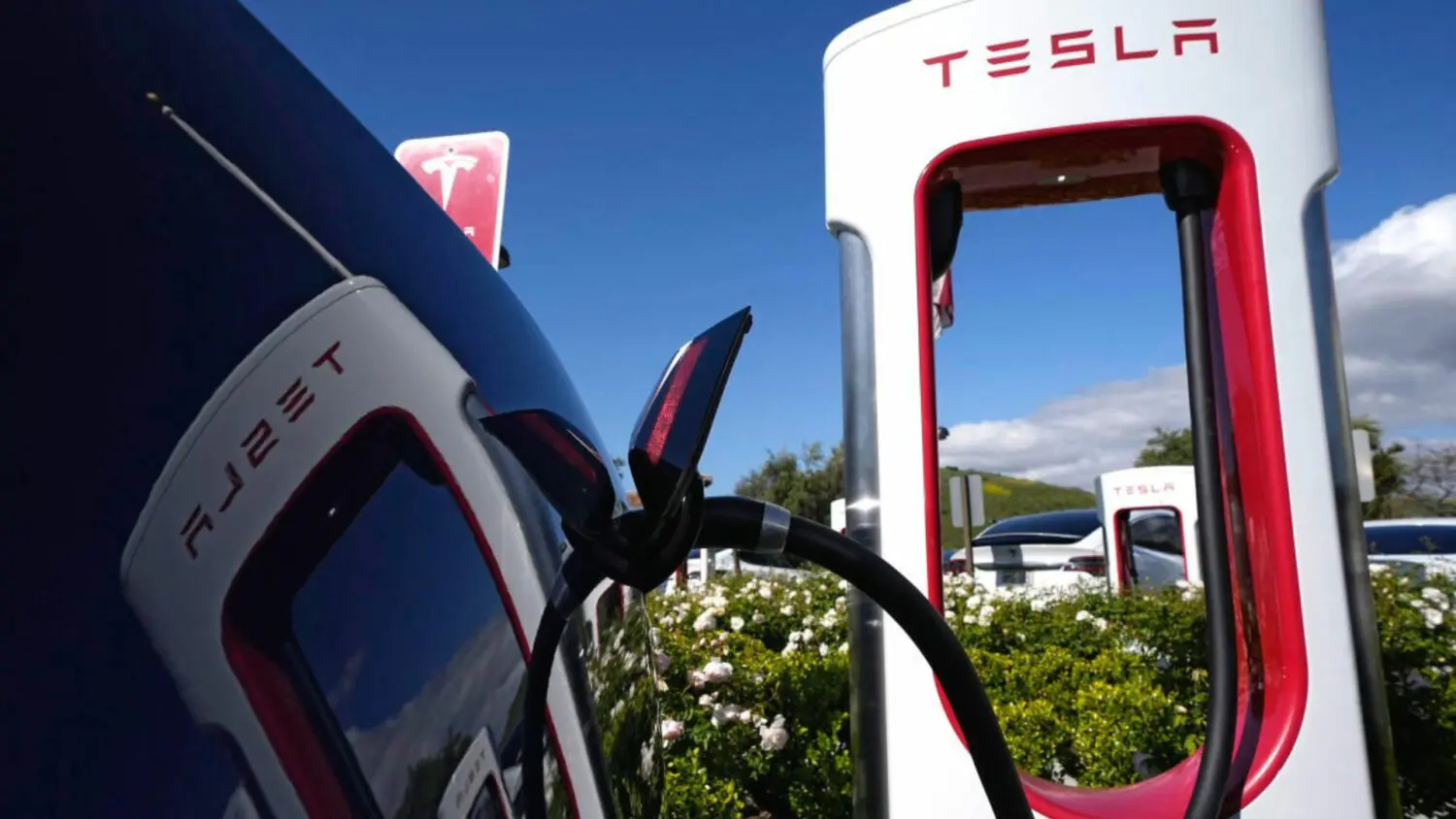
Kentucky is the first U.S. state to mandate Tesla’s charging standard

Kentucky's mandate took effect on June 30th, making it the first state to require Tesla's charging technology.
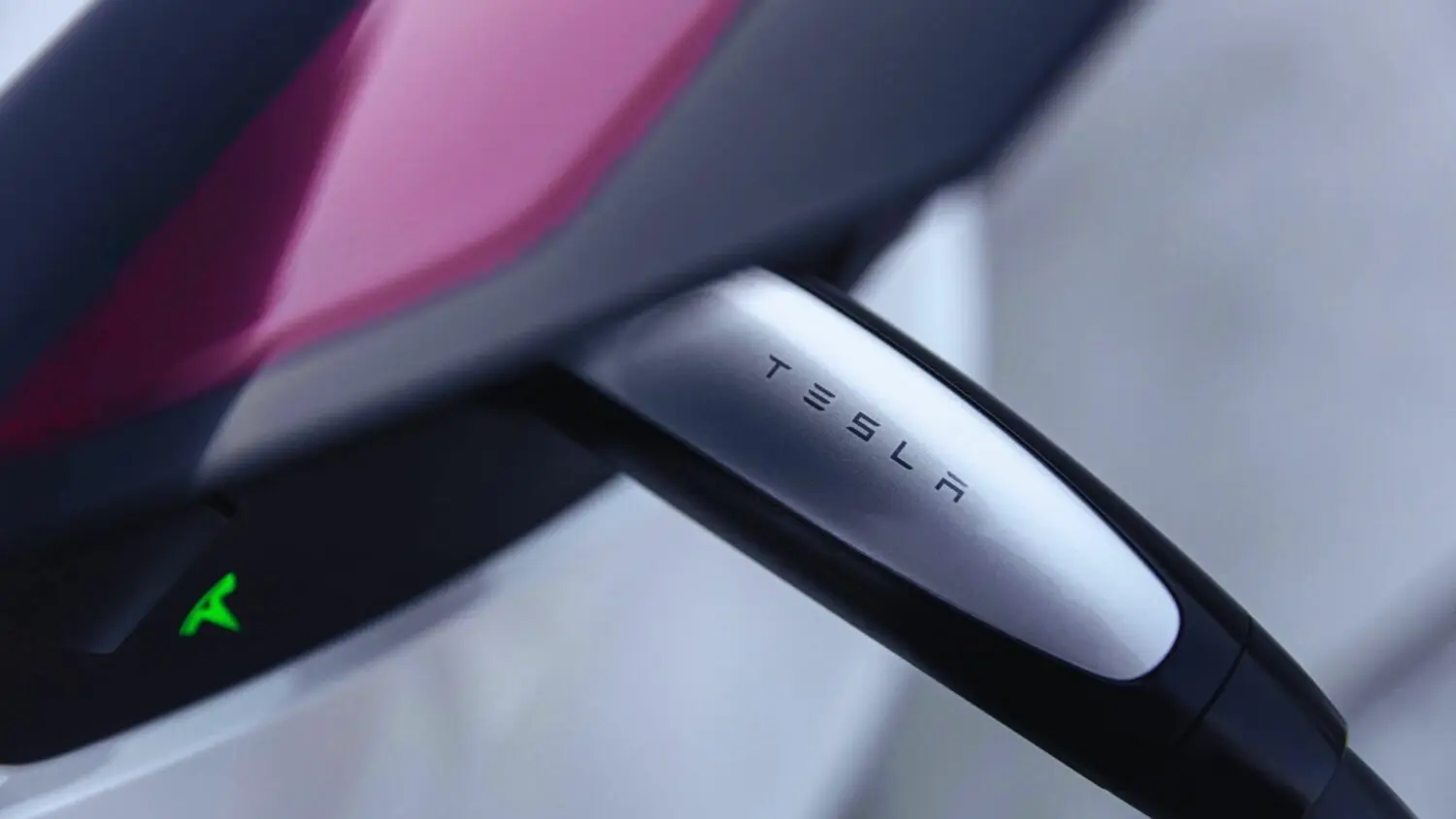
Tesla charging standard

Image Source: TeslaRATI

The state of Kentucky is requiring electric vehicle charging companies to include Tesla’s plug if they want to be part of a state program to electrify highways using federal dollars. 

Kentucky’s mandate took effect on June 30th, making it the first state to require Tesla’s charging technology, despite Texas and Washington’s announcement with similar plans. 

According to Kentucky’s request for proposals (RFP) for the state’s EV charging program released on June 30th, in addition to federal regulations for the competing Combined Charging System (CCS), Kentucky mandates Tesla’s plug, known as the North American Charging Standard (NACS), at charging stations.

On the other hand, Tesla, the leading American EV manufacturer, has recently won several victories for its charging technology, beginning with Ford’s decision to adopt NACS. 

However, a group of EV charger manufacturers and operators is pushing back against Texas’ plan to mandate the inclusion of Tesla’s charging technology, saying it’s “premature.”  In a letter to the Texas Transportation Commission, they stated that more time was required to adequately standardize, test, and certify the safety and interoperability of Tesla connectors across the industry.

In a letter to the Texas Transportation Commission, they stated that more time was required to adequately standardize, test, and certify the safety and interoperability of Tesla connectors across the industry.

The U.S. Department of Transportation stated earlier this year that for charging companies to be eligible for federal financing to install 500,000 EV chargers by 2030, they must offer CCS connectors.

It further stated that other connectors are permissible under the rule if the charging stations meet CCS, the national standard. In addition, states would get $5 billion from the National Electric Vehicle Infrastructure Program (NEVI).
Further Reading
More from Articles
Feddon Automotive Group sells Fort Walton Mitsubishi to 401 Group

Feddon Automotive Group sells Fort Walton Mitsubishi to 401 Group

- July 2, 2026
Canada's 401 Group of Companies acquired Fort Walton Mitsubishi in Fort Walton Beach, Florida, from Feddon Automotive Group in a transaction that closed on June 30, 2026. The dealership has...

GM tops US sales in Q2 despite 33% drop in EV sales

- July 2, 2026
On the Dash: GM sold 714,896 vehicles in Q2, the most of any automaker, despite a 4.2% year-over-year drop. Hyundai-Kia and Honda both moved up a spot from Q1,...
Nissan

Nissan reports 16 straight months of retail sales growth

- July 2, 2026
On the Dash: Nissan Group reported second-quarter U.S. total sales of 242,741 units, up 9.6% year-over-year, with Nissan Division retail sales increasing 8.8% for the quarter. Frontier, Sentra, and Rogue...
US will not renew USMCA in current form, sets stage for new trade talks

US will not renew USMCA in current form, sets stage for new trade talks

- July 2, 2026
On the Dash: The U.S. rejected a 16-year USMCA renewal, but the pact stays in force until 2036. Trump plans separate bilateral deals with Canada and Mexico, each lasting up...
CBT News
Privacy Overview

This website uses cookies so that we can provide you with the best user experience possible. Cookie information is stored in your browser and performs functions such as recognising you when you return to our website and helping our team to understand which sections of the website you find most interesting and useful.