TSLA406.4307.28%
GM81.5000.65%
F14.8400.13%
RIVN16.7601.22%
CYD50.0302.11%
HMC26.440-0.63%
TM174.9500%
CVNA64.100-3.72%
PAG180.960-0.06%
LAD313.3800.72%
AN191.530-2.54%
GPI325.3300.42%
ABG199.5300.05%
SAH84.6100.36%
TSLA406.4307.28%
GM81.5000.65%
F14.8400.13%
RIVN16.7601.22%
CYD50.0302.11%
HMC26.440-0.63%
TM174.9500%
CVNA64.100-3.72%
PAG180.960-0.06%
LAD313.3800.72%
AN191.530-2.54%
GPI325.3300.42%
ABG199.5300.05%
SAH84.6100.36%
TSLA406.4307.28%
GM81.5000.65%
F14.8400.13%
RIVN16.7601.22%
CYD50.0302.11%
HMC26.440-0.63%
TM174.9500%
CVNA64.100-3.72%
PAG180.960-0.06%
LAD313.3800.72%
AN191.530-2.54%
GPI325.3300.42%
ABG199.5300.05%
SAH84.6100.36%

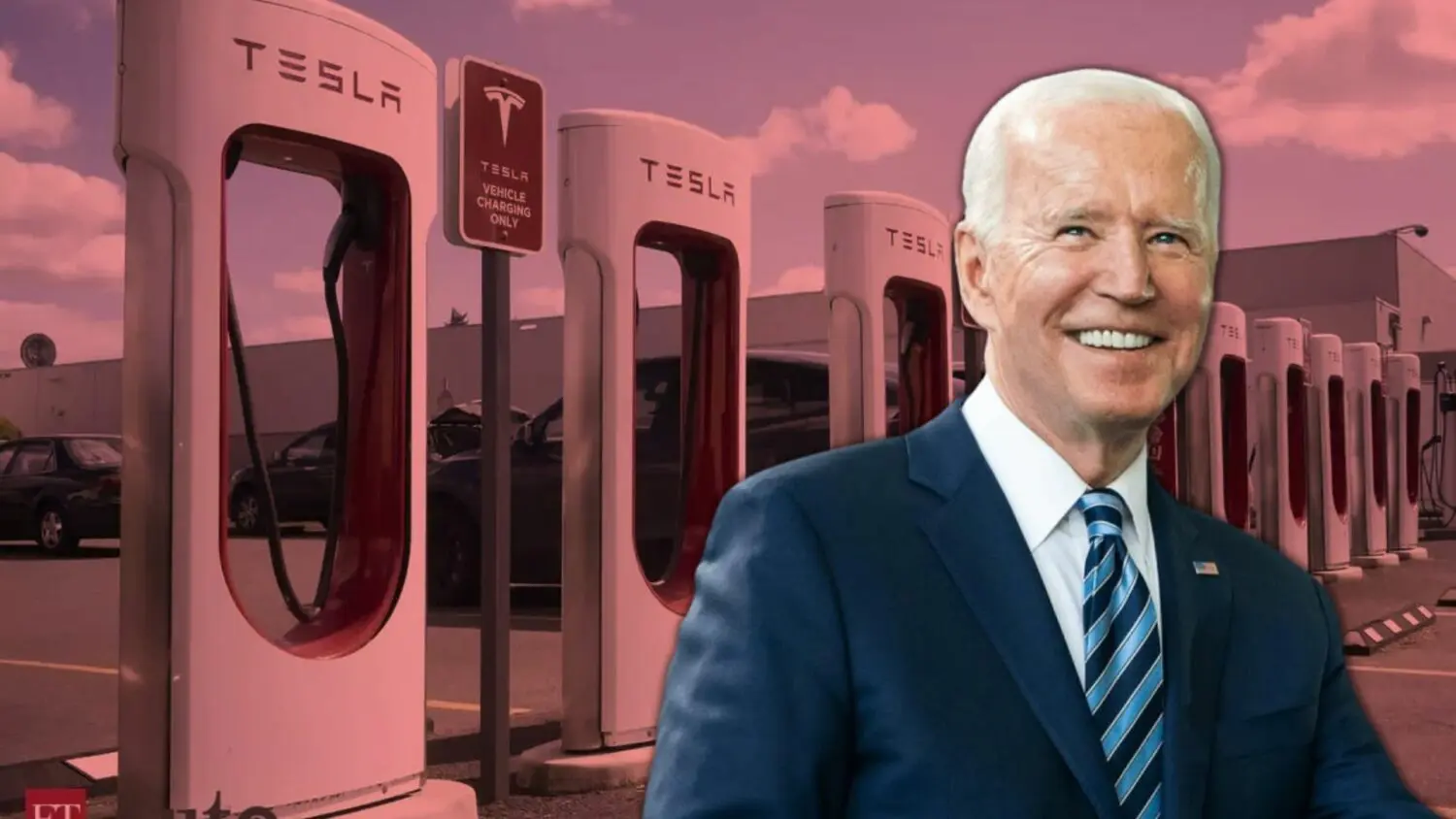
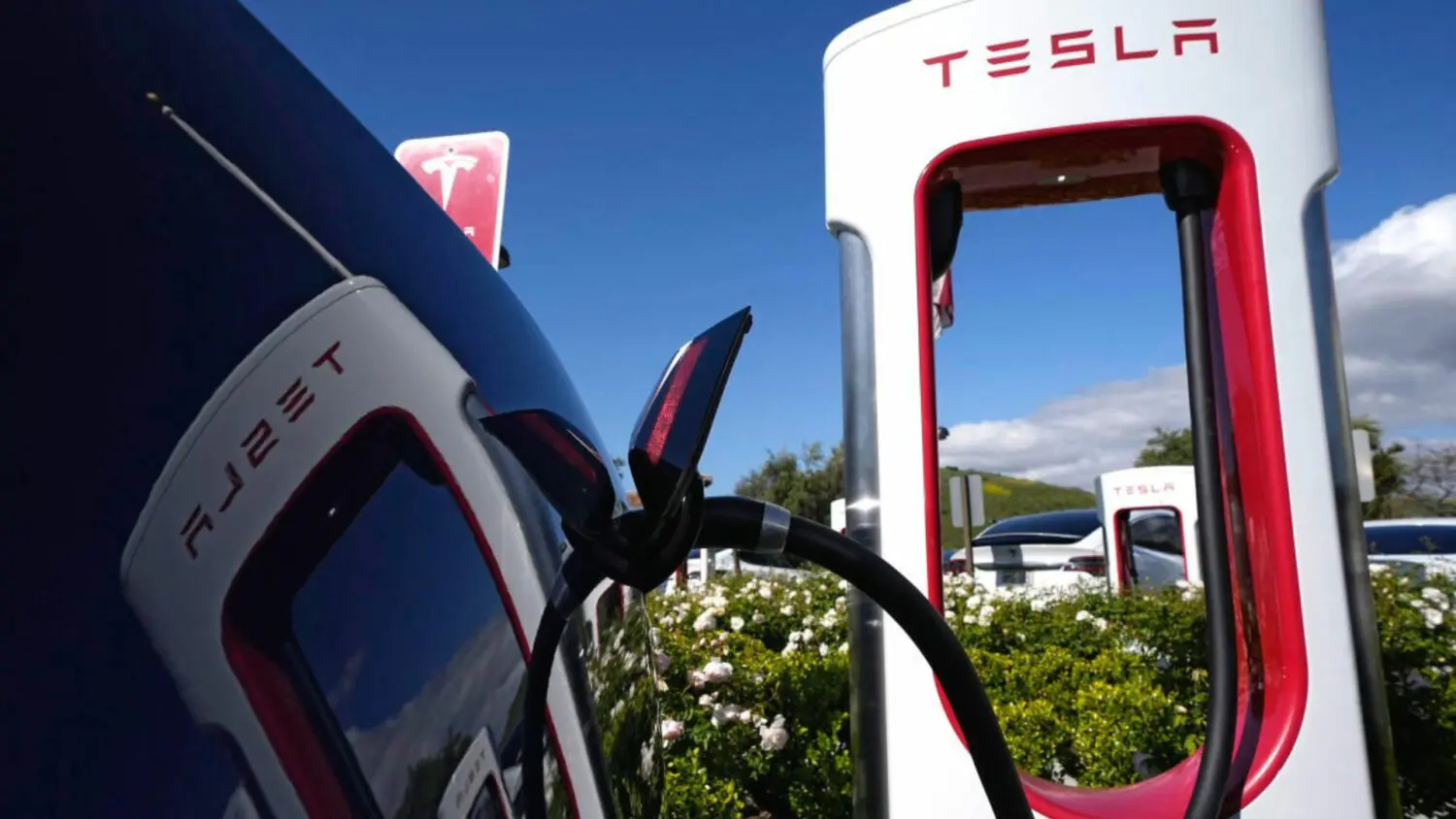
Is Tesla’s EV plug closer to becoming an industry standard?

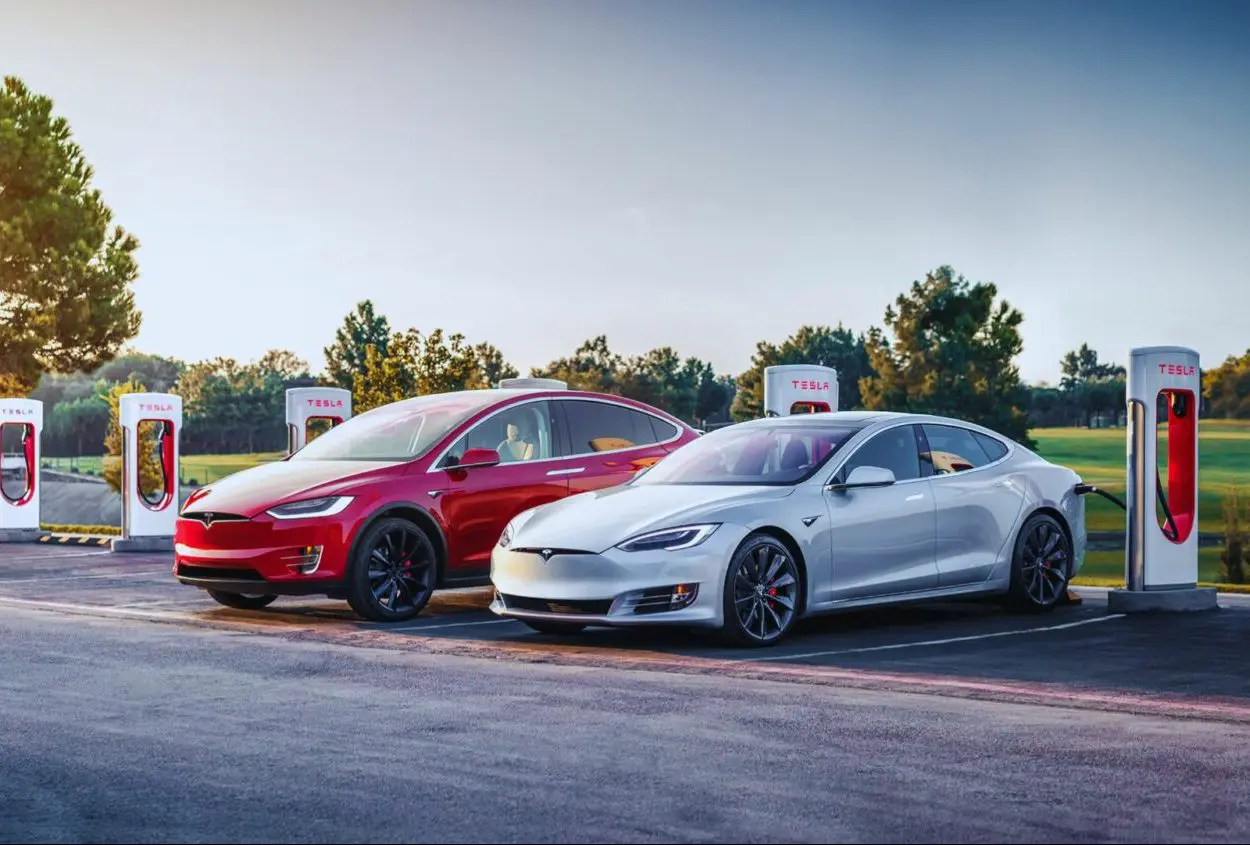
SAE International announced that they would join Tesla's extensive Supercharger network.
SAE, EV plug

Image Source: Mark J. Terrill / Associated Press

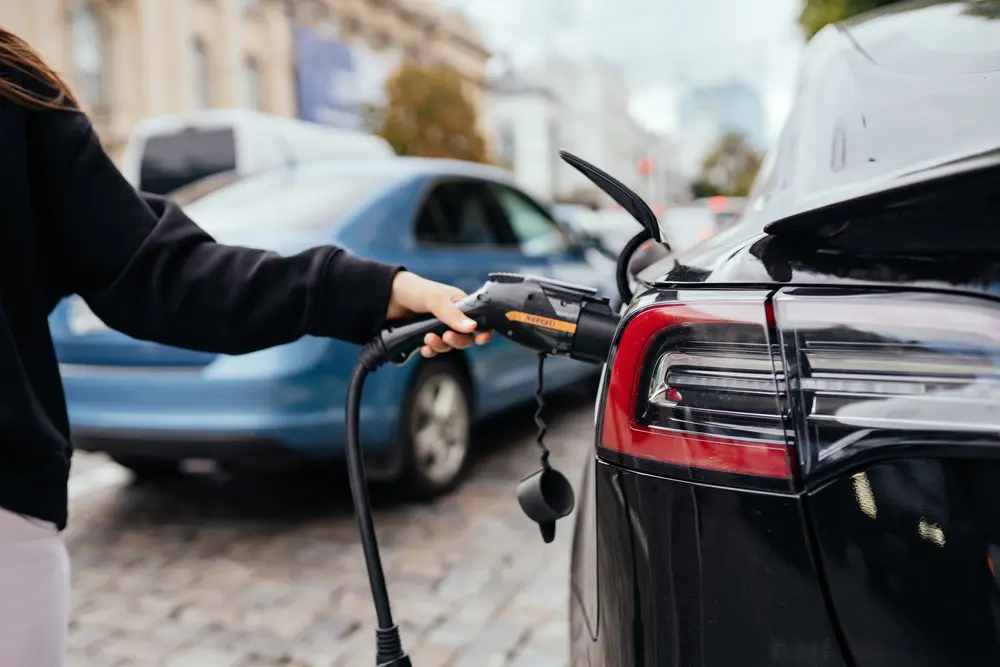
In another step toward deploying the Tesla plug on all-electric vehicles, a major U.S. automaker organization has announced that it will set performance standards for Tesla’s EV charging cords.

Soon after Ford, General Motors, and Rivian announced they would adopt Tesla’s North American Charging Standard connector in new EV models, SAE International, formerly known as the Society of Automotive Engineers, announced that they would join Tesla’s extensive Supercharger network. However, a competing connector, CCS, remains present and continues to be used in thousands of EVs.

SAE claims it’s already working on the standards and hopes to finish them within six months. According to Frank Menchaca, head of sustainable mobility solutions for the innovation division of SAE’s nonprofit parent corporation, the standards would govern how the plugs connect to charging stations, cybersecurity safeguards, charging speeds, and reliability requirements.

According to Sam Abuelsamid, an e-Mobility expert at Guidehouse Research, “The move effectively stops CCS, which was created following SAE standards.” He continues, “It’s only a matter of time before no one builds new EVs with CCS connectors.” Additionally, he claimed that compared to Tesla’s NACS connector, CCS is far more difficult to handle and plug into vehicles. 

Currently, nearly all automakers except Tesla are utilizing CCS connectors. 

Additionally, the Energy Department asserts roughly 54,000 public charging stations with over 136,000 plugs nationwide. While the majority are slower Level 2 chargers, the network of DC fast chargers is rapidly expanding.

Although vehicles will likely need to utilize both connectors for a while, the industry has observed claims that there is rising momentum for Tesla’s connector to become the U.S. standard.
Further Reading
More from Articles
FTC's pricing crackdown: What's happened since march and what's next.

FTC’s pricing crackdown: 3 months since 97 warning letters shook the industry

- June 12, 2026
On the Dash: FTC warned 97 dealership groups in March, then named them all publicly in May. Many vendors, dealers and third-party sites made changes to align with FTC pricing...
Group 1 Automotive

Group 1 Automotive announces promotion of Bob Andersen to vice president, corporate development and pre-owned operations

- June 12, 2026
HOUSTON, June 11, 2026 /PRNewswire/ -- Group 1 Automotive, Inc. (NYSE: GPI) ("Group 1" or the "Company"), an international automotive retailer with operations in the U.S. and U.K., today announced the promotion of...
America's savage yards are burning. Drivers are the ones paying the price

America’s salvage yards are burning. Drivers are the ones paying the price

- June 12, 2026
While most Americans see scrapyard fires as local news, the real story may be unfolding in repair shops, insurance offices, and family budgets across the country. Americans don't need another reason...
May inventory holds at 2.89M as robust retail sales tighten market conditions

May inventory holds at 2.89M as robust retail sales tighten market conditions

- June 12, 2026
On the Dash: Stronger retail demand is tightening days’ supply, giving dealers improved turnover conditions despite stable inventory levels. Pricing remains firm, but affordability and financing costs continue to limit...