TSLA348.9503.33%
GM76.420-0.31%
F12.123-0.1175%
RIVN15.4300.19%
CYD42.780-0.06%
HMC24.040-0.33%
TM210.640-0.5%
CVNA336.2439.313%
PAG156.1200.97%
LAD273.1006.56%
AN200.5200.1%
GPI338.1400.03%
ABG204.0001.95%
SAH68.0600.235%
TSLA348.9503.33%
GM76.420-0.31%
F12.123-0.1175%
RIVN15.4300.19%
CYD42.780-0.06%
HMC24.040-0.33%
TM210.640-0.5%
CVNA336.2439.313%
PAG156.1200.97%
LAD273.1006.56%
AN200.5200.1%
GPI338.1400.03%
ABG204.0001.95%
SAH68.0600.235%
TSLA348.9503.33%
GM76.420-0.31%
F12.123-0.1175%
RIVN15.4300.19%
CYD42.780-0.06%
HMC24.040-0.33%
TM210.640-0.5%
CVNA336.2439.313%
PAG156.1200.97%
LAD273.1006.56%
AN200.5200.1%
GPI338.1400.03%
ABG204.0001.95%
SAH68.0600.235%

KBB reports new vehicle ATP trends decline as incentives rise

transaction prices

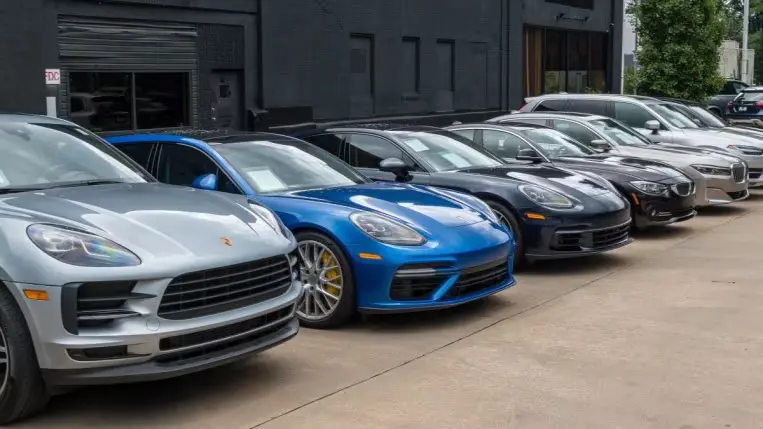
Image Source: Kelly Blue Book Gallery

A new report from Kelly Blue Book reveals that new vehicle transaction prices decreased by 1.4% in February, while incentives rose 3% month-over-month. 

The average car transaction now costs $48,763, which is $705 lower than January but up $2,466 from the same period last year. OEM to dealer incentives are at their highest level in nearly a year, averaging $1,474. The study also mentions that EV prices decreased by more than $1,000 on average for the third month in a row.

Rebecca Rydzewski, Cox Automotive’s research manager of economic and industry analytics said, “the transaction data from February implies that prices will continue to fall at the start of 2023.” Although both luxury and non-luxury prices decreased month over month, higher prices are a result of new models, a more varied product lineup, and restricted discounts.

The average price paid for a new non-luxury vehicle in February 2023 was $44,697 – a reduction of $681 compared to January. Most non-luxury brands experienced ATP reductions between 0.2% and 3.9%, including Chrysler, Dodge, Ford, GMC, Hyundai, Mazda, Subaru, and VW. This is consistent with stronger incentives driving down pricing. In the non-luxury market, Kia and Honda displayed the most price strength, transacting 4% to 6% above sticker price.

Elevated sales of luxury vehicles have been a major contributor to overall higher new-vehicle pricing. When compared to January, the average cost of a new EV fell by $1,050  or down 1.8% in February. According to estimates from Kelley Blue Book, the typical new EV sold for $58,385, which is still significantly more than the industry standard. Significant price reductions from 

February incentives increased to 3.0% of the average transaction price from 2.8% in January, marking a 10-month high. But incentive spending is still historically low. In comparison, Kelley Blue Book calculated incentives averaged 8.3% of ATP of February 2021.

Rydzewski added, “It will be interesting to see if this increasing trend continues as inventory increases after nearly a year of incentives below 3% of ATP.”
Further Reading
More from Articles
Ship.Cars announces strategic partnership with Axe to introduce AI voice automation for logistics (1)

Ship.Cars announces strategic partnership with Axe to introduce AI voice automation for logistics

- April 10, 2026
March 30, 2026 — Ship.Cars, a leading provider of transportation management solutions for the automotive logistics industry, today announced a new partnership with Axe to bring AI-powered voice automation to...
Volkswagen to halt U.S. production of ID.4 as EV demand softens

Volkswagen to halt U.S. production of ID.4 as EV demand softens

- April 10, 2026
On the Dash: Volkswagen will stop producing the ID.4 at its Chattanooga, Tennessee, plant in April 2026, marking a major shift in its U.S. EV strategy. The move reflects broader...
Kia targets U.S. pickup market with hybrid truck launch by 2030

Kia targets U.S. pickup market with hybrid truck launch by 2030

- April 10, 2026
On the Dash: Kia will launch its first U.S.-focused pickup by 2030, marking its entry into one of the industry’s most competitive segments. The truck will feature hybrid and extended-range...
Cars.com cuts 11% of workforce, boosts share buyback plan amid cost realignment

Cars.com cuts 11% of workforce, boosts share buyback plan amid cost realignment

- April 10, 2026
On the Dash: Cars.com is reducing its workforce by 11% as part of a broader effort to streamline operations and control costs. The company increased its share repurchase authorization, signaling...
CBT News
Privacy Overview

This website uses cookies so that we can provide you with the best user experience possible. Cookie information is stored in your browser and performs functions such as recognising you when you return to our website and helping our team to understand which sections of the website you find most interesting and useful.