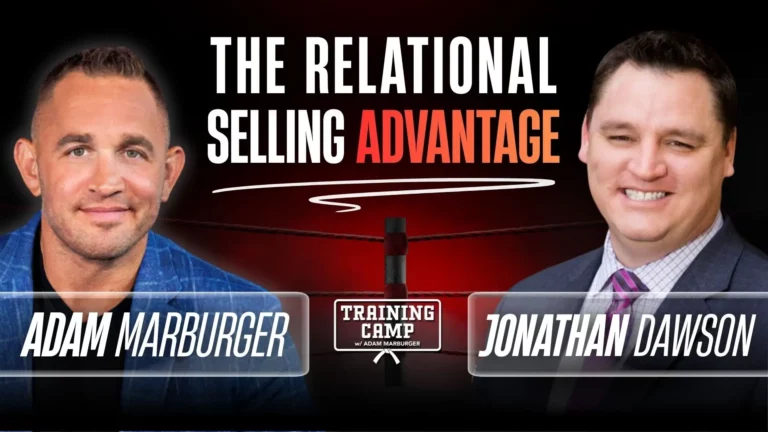
When sales trainer Jonathan Dawson purchased a struggling Mitsubishi dealership, many industry insiders wondered if his high-level strategies would translate into everyday retail operations. One year later, Dawson returns to today’s episode of Training Camp to share how he transformed a broken store into a high-margin, record-breaking operation. Speaking with host Adam Marburger, Dawson breaks down the exact metrics, cultural shifts, and AI tools driving his dealership’s success.
Rebuilding volume & profit from scratch
When Dawson signed the paperwork in June 2025, the dealership averaged between 8 and 12 total units per month. By June 2026, the store achieved a 450% year-over-year total volume increase, delivering 73 units with just three salespeople on the ground.
The surge in volume also produced the highest net positive growth month in the location’s six-year history. Beyond total sales, Dawson highlighted a staggering drop in customer acquisition expenses. While the national average ad cost per sale typically sits between $500 and $600, Dawson reduced his net ad spend to $54.18 per vehicle.
“The vast majority of my 73 cars last month were what I would call relational, non-transactional customers,” Dawson stated. He explained that by separating buyers into relational sources, such as referrals, repeat households, and service conversions, and transactional sources driven by price or promotions, the store minimizes traditional advertising expenses and reinvests those savings directly into sales floor bonuses and post-sale customer retention.
Driving productivity through Mission 22
A core driver of the dealership’s operational health is a metric Dawson calls “Mission 22,” which measures sales efficiency relative to total scheduled workdays. By dividing monthly sales volume by the total available workdays across the sales team, the store tracks whether salespeople maintain a benchmark of selling roughly one car per day worked.
Maintaining high sales efficiency keeps team members in a constant state of momentum, reducing turnover and raising emotional job satisfaction. Dawson noted that when salespeople operate in a peak state, the customer experience improves immediately.
To sustain long-term customer loyalty, Dawson flips traditional dealership budgeting on its head. Instead of spending $500 to acquire a stranger and $5 to retain them, his team spends $50 to acquire them and invests heavily in post-sale retention packages. This includes a series of surprise follow-ups during the first week of ownership, a structured 12-month drip campaign, and a unique delivery process that hides Easter egg offers and notes throughout the new vehicle.
Embracing empathy & AI-driven coaching
Transitioning from an industry consultant to an active dealer principal brought a new perspective. Dawson acknowledged that making tough operational decisions, such as holding team members accountable or navigating staffing changes, requires deeper empathy when managing real human lives.
"it's a process, and it's all about progress and being relentless."
Looking to the future, Dawson aims to reach 160 cars per month with just four salespeople—an average of 40 cars per rep. To achieve that goal, he relies heavily on AI-driven conversation intelligence. By capturing real-time transcriptions of sales and F&I interactions, management can identify missed deal opportunities, pinpoint specific customer objections, and deliver targeted coaching based on actual dialogue rather than guesswork.
With his training firm expanding, tech integration proving successful, and plans underway to acquire additional dealership locations, Dawson demonstrates that prioritizing relational selling over heavy ad spend creates a sustainable model for modern automotive retail.