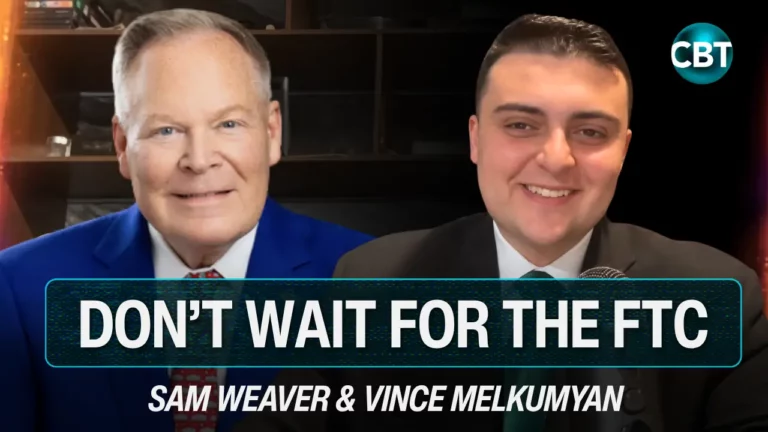
As the FTC continues to focus on pricing transparency and deceptive advertising, dealers face a compliance environment that is becoming harder to monitor manually. Vince Melkumyan, Founder of Auto AI Radar and Sam Weaver, VP & Partner of Chevy Chase Automotive and Chairman of the Maryland Automobile Dealers Association (MADA), join us on today’s CBT Live segment to discuss what process dealers need to build to identify potential violations, document corrective action and keep compliance from becoming an afterthought.
According to Melkumyan and Weaver, they agreed that dealers face risks that extend beyond just their websites. Employee social media accounts have emerged as a potential compliance risk, as salespeople may post vehicle offers, lease specials, or payment information without including the necessary disclosures. While Melkumyan notes that Auto AI Radar is designed to monitor these posts in addition to vehicle listings, Weaver emphasizes that dealers are still responsible for what consumers see, even when they outsource their advertising.
The two also stressed that the lack of prior enforcement doesn’t protect a dealership from future exposure. Weaver says dealers may not know what they don’t know since the rules and number of digital touchpoints have become more complicated. Therefore, Melkumyan adds that proactive monitoring can help dealers identify problems, document when they took corrective action, and show they are making an effort to remain compliant.
Additionally, Melkumyan says dealers also need to consider how quickly regulators can use technology to identify potential violations. He expects compliance scrutiny could eventually extend beyond pricing and advertising into areas such as fixed operations and F&I. For dealers, the takeaway is to audit your own digital presence now, including websites and employee social media, rather than waiting for a regulator or customer to identify an issue.