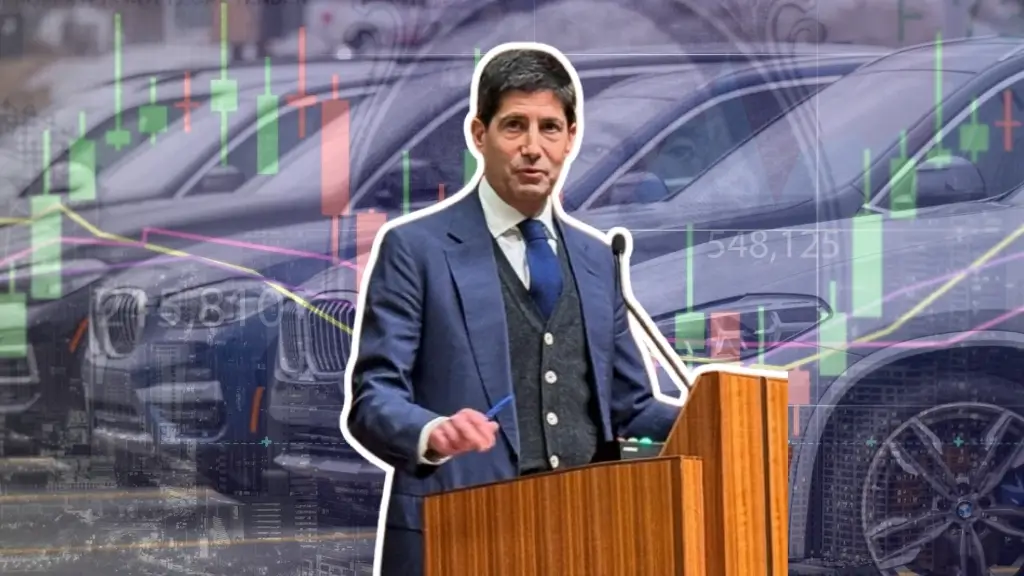
There is currently no shortage of uncertainty surrounding automotive retail. From tariffs and rising ownership costs to vehicle affordability, dealers have plenty to watch. Joining us on today’s edition of CBT Live is Cox Automotive Chief Economist Jeremy Robb, who dives into tariffs, consumer demand and the broader economic outlook.
According to Robb, the latest round of tariff uncertainty ranks among the biggest concerns facing automakers, dealers and consumers alike. Since President Trump has threatened to raise tariffs on Canadian-built vehicles and parts to 50%, double the current 25% rate, after trade talks with Canada broke down, Robb said the increase could raise costs on high-volume models built in Canada, including the Toyota RAV4, Honda CR-V and Honda Civic, at a time when consumers can least absorb it.
Despite higher vehicle prices, elevated interest rates and gas prices hovering above $4 a gallon, Robb notes that the retail market remains resilient. He confirmed that new-vehicle sales are tracking at a seasonally adjusted annual rate (SAAR) of 16.3 million to 16.4 million, and used-vehicle sales began picking up again in the first weeks of August, after new-vehicle sales outpaced used-vehicle sales in June and July. He also said lenders have grown more willing to extend credit, which he calls a positive sign for buyers regardless of where rates move next.
However, affordability remains a growing divide in the market, with Robb noting that the average new-vehicle price is nearing $50,000, a threshold it has hovered near for almost two years, while rising insurance, repair and maintenance costs continue to add to ownership expenses. At the same time, he said older used vehicles, particularly those eight to 10 years old, are gaining value as budget-conscious consumers compete for cheaper transportation.
What dealers should watch heading into 2027
Robb said dealers planning the rest of the year should focus less on national economic indicators and more on their own store-level data. He recommended tracking dealership traffic and sales trends weekly, along with wholesale and retail market activity. Despite pointing to risks tied to the nation’s debt levels and a less communicative Federal Reserve under new Chairman Kevin Warsh, Robb said he remains “cautiously optimistic” about the rest of 2026 and into 2027, citing solid demand, low unemployment and continued economic growth.