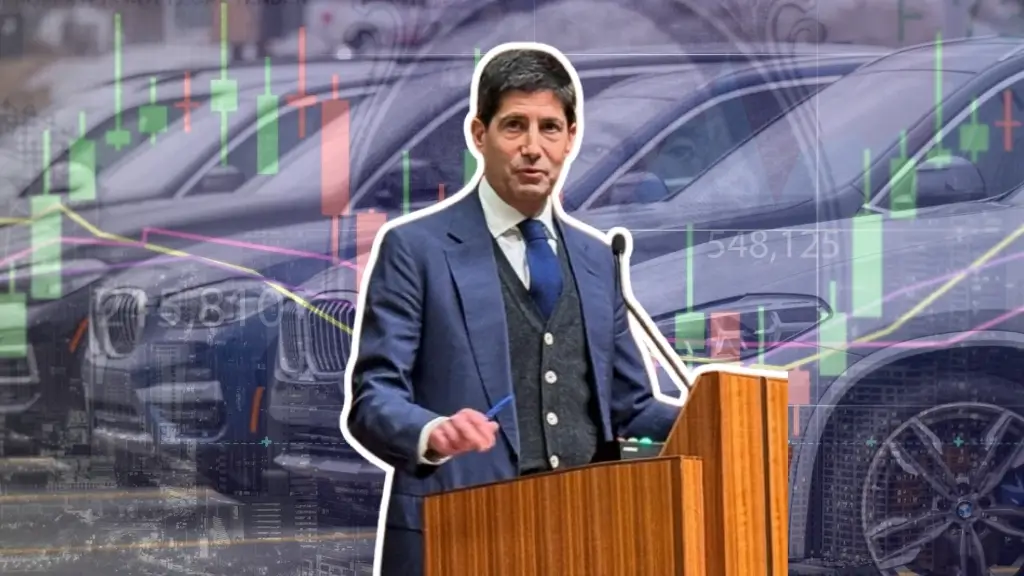
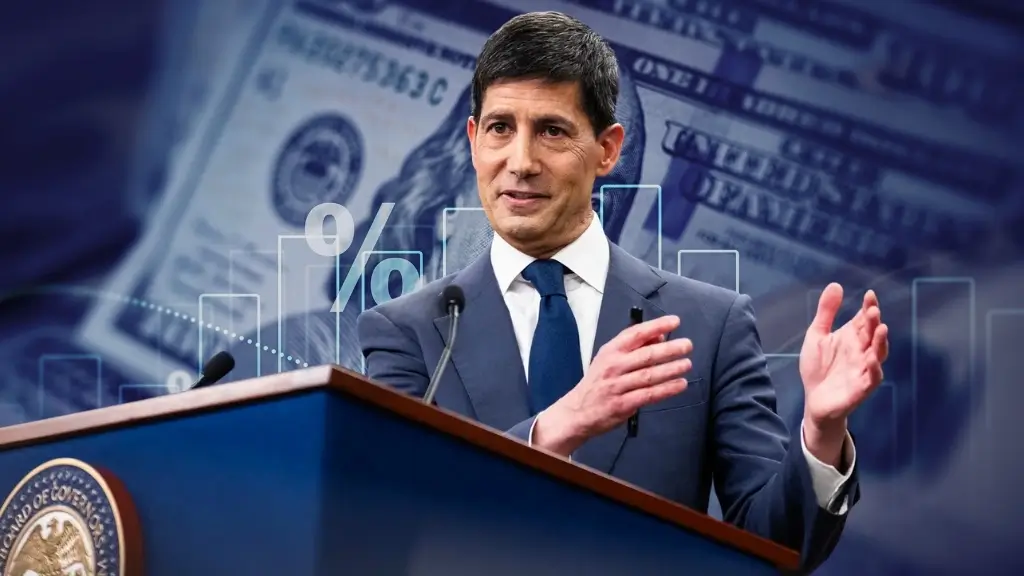
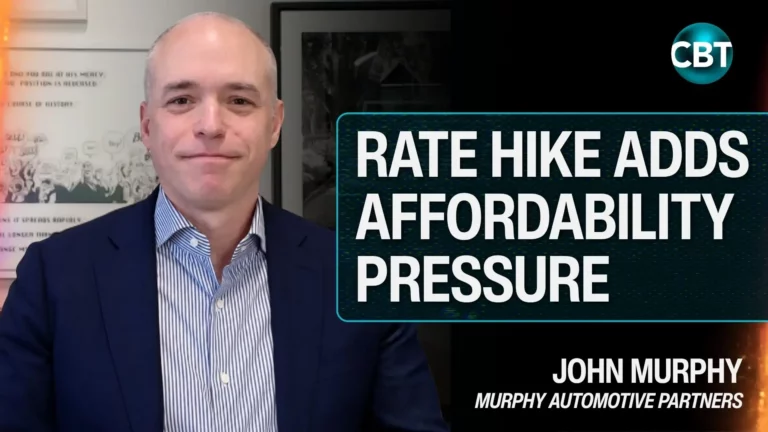
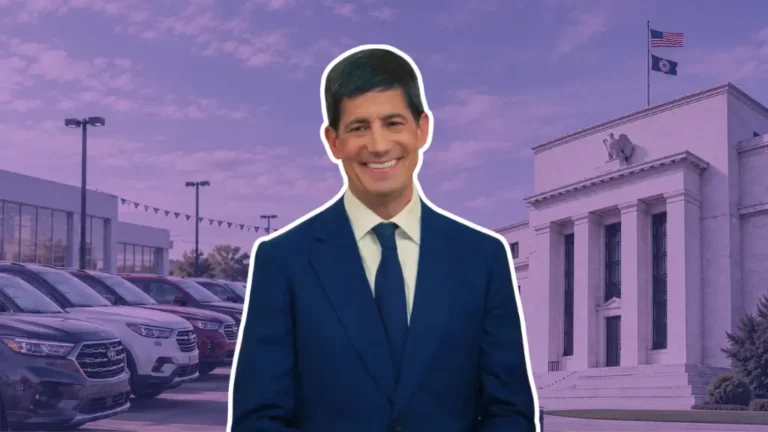
The Federal Reserve’s latest rate increase adds another layer of pressure for auto dealers already navigating elevated borrowing costs and affordability challenges. John Murphy, Founder and Managing Partner of Murphy Automotive Partners, said on today’s CBT Live segment that while the 25-basis-point increase may not dramatically change the market overnight, it reinforces the affordability headwinds facing consumers and dealers.
According to Murphy, consumers have already dealt with higher auto loan rates for much of the past year, making the latest Fed increase less of a sudden shock and more another factor working against affordability. While higher rates can also raise dealers’ floor-plan costs, Murphy pointed to vehicle prices as the more significant issue for consumers. Even with longer loan terms, the principal portion of a payment remains a major affordability challenge. He said increased supply and more affordable vehicles will be necessary to meaningfully address that pressure.
He also highlighted a growing disconnect between consumer sentiment and the underlying auto market. While consumer confidence remains near historic lows even as broader economic indicators and auto sales continue to show resilience, Murphy notes that the market is running at roughly a 16.2 million to 16.3 million annualized sales pace. For dealers, that means consumer psychology can remain an important obstacle even when broader economic conditions appear relatively healthy, and the latest rate increase could reinforce that cautious mindset.
Murphy said automakers have substantial production capacity available, with industry capacity utilization running around 70%, giving manufacturers room to increase volume if they choose. However, he said automakers continue to generate strong profits without aggressively pushing sales, while the current product pipeline lacks the kind of new vehicles that typically generate significant consumer demand. Nevertheless, Murphy expects more compelling products to arrive over the next few years, but said lower rates or additional subsidized programs alone may not be enough to quickly bring hesitant consumers back into showrooms.