On the Dash:
- Truck prices averaged a transaction price decline of 1.8%, or $1,035, in July.
- Incentives increased by 30%, while car incentives also rose by 17% from June.
- July marked the first monthly decline in transaction prices for bestselling cars since February.
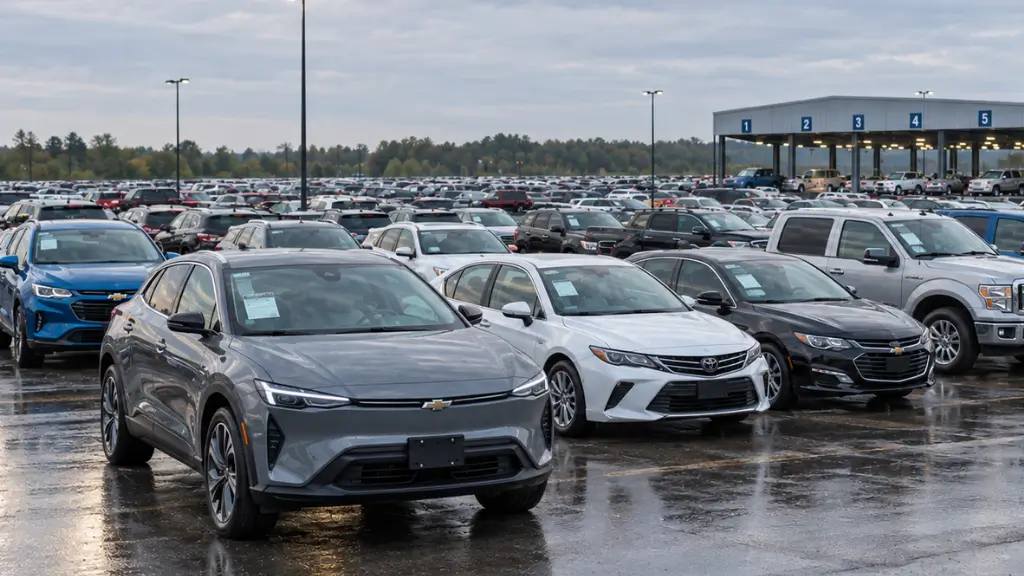
In July, increased incentives helped lower transaction prices for many of the country’s bestselling vehicles. CDK Global’s latest report tracks the ten bestselling passenger vehicles and four bestselling light-duty pickups to analyze pricing trends affecting a large share of car shoppers. The data suggests the elevated prices of recent months may be difficult to sustain. While prices remain above 2025 levels, the market could be entering its seasonal decline earlier than usual.
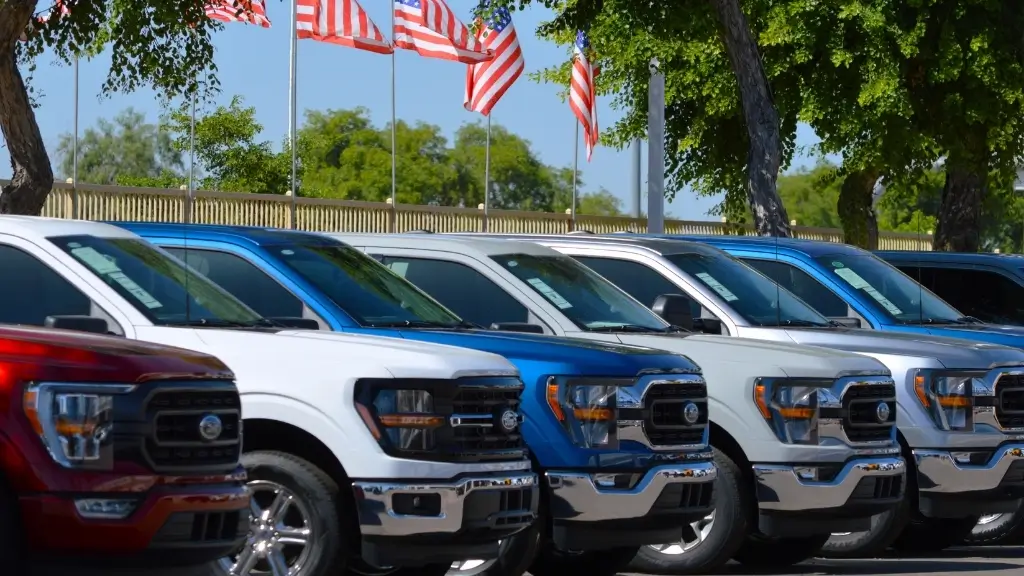
According to the report, the average transaction price for bestselling trucks fell by 1.8% from June, reducing the average buyer’s cost by $1,035. Although truck prices have been declining since April, July marked the largest monthly drop this year. Prices remain 0.8% higher compared to July 2025, as CDK notes that higher gas prices could be contributing to weakness in the truck segment.
Average transaction prices for bestselling cars fell for the first time since February. The redesigned Toyota RAV4 drove much of this decrease, as its average transaction price dropped by $78 from June and its pull on the overall average eased. Among the ten tracked passenger vehicles, five saw price increases while five experienced declines. CDK stated that no single trend drove the monthly changes.
Truck incentives increase
Average incentives for bestselling trucks rose by $1,152 from June, representing a 30% monthly increase and a 29% increase from July 2025. Higher incentives directly impacted transaction prices, which fell by a similar amount. This increase helped offset higher sale prices set before dealers applied incentives.
Average incentives for bestselling passenger vehicles climbed to $1,228 in July, marking a 17% increase from June and a 14% increase from July 2025. Ford’s Employee Pricing program significantly contributed to this increase. As the program concluded, some discounts shifted from sale prices to reported incentive spending. Hyundai Tucson incentives increased by 22%, while Nissan Rogue incentives rose by 4.2%.
Implications for dealers
Higher incentive spending is starting to provide some relief to shoppers dealing with elevated vehicle prices. The decline in truck transaction prices could indicate softer demand in a segment where rising fuel costs are weighing on buyers. Dealers may see additional pricing movements as the market approaches the traditional seasonal decline in vehicle prices. CDK noted that this seasonal decline usually begins in August for trucks and in September for cars, making July’s declines particularly noteworthy.