On the Dash:
- Stellantis has paused white-collar hiring at its Auburn Hills headquarters after an unprecedented hiring push during the first half of 2026.
- The automaker had planned to add 2,000 engineers, primarily in Auburn Hills, to improve vehicle quality and support new-product development.
- The hiring pause comes as Stellantis focuses on integrating employees, internal career moves and a cost-reduction program targeting billions in savings.
Stellantis has paused white-collar hiring at its Auburn Hills headquarters, a decision made several weeks ago after a considerable hiring push in the first half of 2026. According to the Detroit Free Press, the automaker said it’s moving into the next phase of its talent strategy, which focuses on integrating new employees and supporting internal career advancement.
During the first half of 2026, Stellantis announced plans to hire 2,000 engineers, most of whom were expected to be based in Auburn Hills. This hiring initiative aimed to improve vehicle quality and support a new wave of product launches. Additionally, Stellantis has added employees through its Value Creation Program.
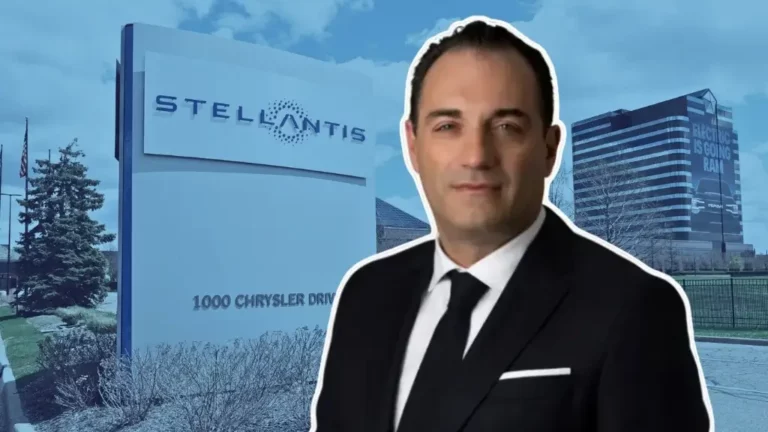
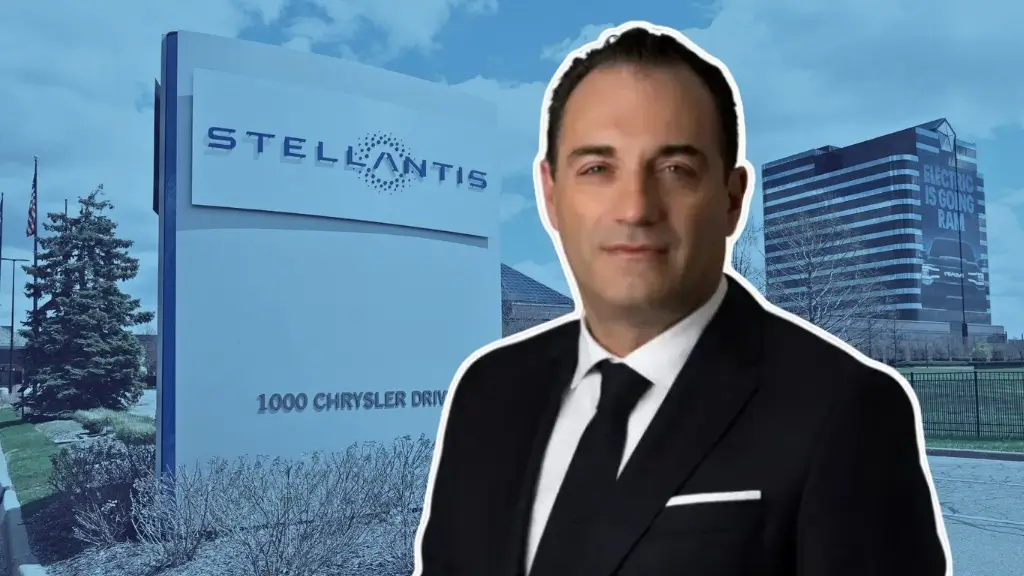
Cost reduction is now a top priority for the company. The Value Creation Program seeks to uncover billions of dollars in potential savings. Notably, this cost-cutting initiative is a crucial part of CEO Antonio Filosa’s turnaround plan, which also focuses on improving vehicle quality and launching new products by 2030.
Recently, job postings in Auburn Hills have sharply declined, since over the past week Stellantis listed approximately 20 new positions at its North American headquarters, most of which were internships or student roles. This decrease in job openings follows years of workforce reductions and comes amid a rebound in global employment last year.
However, the company continues to target modest revenue growth in 2026 and expects an adjusted operating income margin in the low single digits. Stellantis aims to achieve positive cash flow by 2027 and expects to add thousands of U.S. manufacturing workers in the coming years.