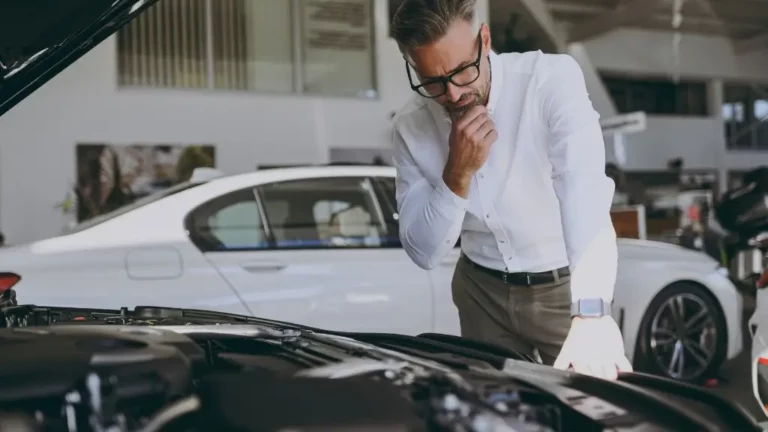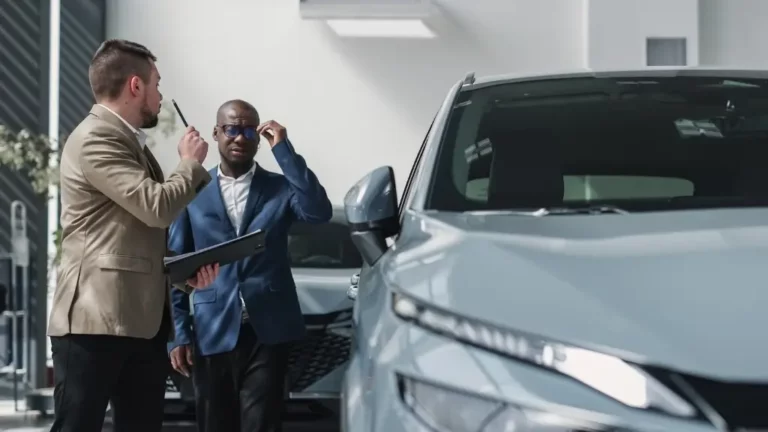

Dealerships invest heavily in creating a positive customer experience. From the first online interaction to the showroom, service department and final vehicle delivery, every touchpoint can influence how a customer views the dealership.
One area that can easily be overlooked is the condition of the customer’s vehicle.
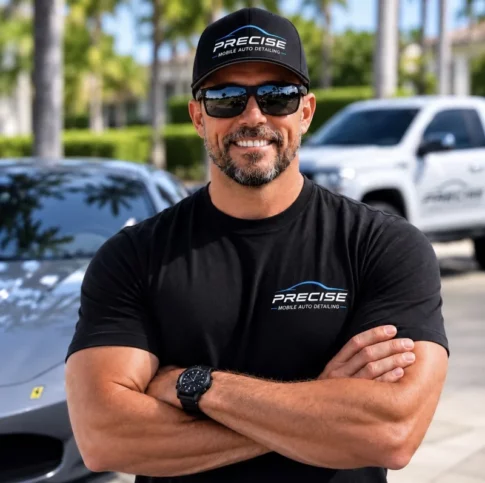
After more than 20 years of professional detailing, I’ve learned that customers notice far more than whether a vehicle simply looks clean. They notice swirl marks in the paint, streaked glass, dirty wheels, residue around trim and whether their vehicle appears to have been handled carefully.
For dealerships, detailing shouldn’t be viewed simply as washing a vehicle. Whether preparing pre-owned inventory, delivering a newly purchased vehicle or returning a customer’s car after service, the condition of that vehicle becomes part of the customer’s overall experience with the dealership.
The vehicle is often the last thing the cutomer sees
Think about the end of a dealership interaction.
A customer may have had an excellent experience with the salesperson or service advisor. Communication was good, the work was completed on time and everyone was professional.
Then the customer walks outside and sees the vehicle.
If it looks exceptional, that reinforces everything that came before it.
If the vehicle has water spots, streaked windows, dirty wheels or fresh swirl marks from an improper wash, the customer may remember that instead.
The final presentation of the vehicle is one of the last opportunities a dealership has to leave a positive impression.
That’s why detailing should be considered part of customer service rather than simply a cleanup task.
A complimentary wash isn’t always a benefit
Offering customers a complimentary wash after service sounds like a great customer benefit.
The problem is that a poorly performed wash can create damage that wasn’t there when the customer arrived.
Swirl marks and fine scratches are among the most common paint defects I encounter professionally. Many are introduced during routine washing and drying rather than normal driving.
Dirty wash media, contaminated towels, improper drying techniques and excessive pressure can all leave visible defects in the clear coat.
This becomes particularly noticeable on black and other dark-colored vehicles.
Customers who are particular about their cars may specifically ask a dealership not to wash them for this reason.
If a dealership is going to offer washing as part of the service experience, the process needs to be designed around preventing damage rather than simply moving vehicles through as quickly as possible.
That means clean wash media, proper lubrication, quality microfiber towels and procedures that reduce the chance of transferring contamination back onto the paint.
Sometimes the best decision is not to wash a vehicle at all if the dealership doesn’t have the time, equipment or process necessary to do it safely.
New vehicles aren’t always perfect
A vehicle doesn’t necessarily arrive at the customer in perfect cosmetic condition simply because it’s new.
Transportation, storage and dealership preparation can introduce contamination and paint defects before the customer takes delivery.
I’ve seen relatively new vehicles with swirl marks, water spots and other imperfections that owners didn’t expect to find on a new car.
This makes the pre-delivery inspection important from a detailing perspective as well.
Paint should be examined under appropriate lighting. Glass, wheels, trim and interior surfaces should also be checked.
The goal isn’t to perform unnecessary correction on every new vehicle. It’s to identify obvious issues before the customer does.
If correction is required, the least aggressive process capable of achieving the desired result should generally be considered first. Clear coat is finite, and unnecessarily aggressive polishing isn’t something that should become part of routine new-car preparation.
Pre-owned inventory requires a different approach
Used vehicles present another challenge because no two arrive in exactly the same condition.
One trade-in may have been carefully maintained for years. Another may have neglected paint, stained upholstery, heavy interior contamination or wheels that haven’t been thoroughly cleaned in months.
Putting every used vehicle through exactly the same detailing process doesn’t necessarily produce the best result.
The vehicle should first be evaluated.
What condition is the paint in? Are the defects correctable? Has the vehicle previously been repainted? What does the interior actually require? Are there stains, odors or embedded contamination that need additional attention?
This evaluation helps determine where detailing time and resources will have the greatest impact.
A properly prepared pre-owned vehicle also photographs better for online listings. In today’s market, those photographs may create the customer’s first impression long before they ever walk onto the lot.
Clean wheels, clear glass, properly prepared paint and a well-detailed interior allow customers to focus on the vehicle rather than distractions caused by poor presentation.
Small details can change the cutomer’s perception
Customers may not know the terminology professional detailers use, but they recognize when something doesn’t look right.
Compound residue left around emblems can make otherwise corrected paint look unfinished.
Dirty wheel barrels and lug areas stand out against a clean exterior.
Streaks on interior glass become obvious as soon as sunlight hits them.
Fingerprints on touchscreens and gloss-black trim can make a freshly cleaned interior look used again almost immediately.
These are relatively small things, but customer experience is often built around small things.
A dealership doesn’t need to turn every vehicle into a concours-level detail. It needs a consistent standard that reflects the level of care it wants customers to associate with its brand.
Paint preservation should be part of the process
Another important consideration is recognizing the difference between improving paint and unnecessarily removing material from it.
Machine polishing is an excellent tool when correction is needed. It can dramatically improve swirl marks, oxidation, haze and other defects.
But polishing is a corrective process. Clear coat is not unlimited.
More aggressive isn’t automatically better.
If a vehicle has been polished repeatedly throughout its life, continuing to aggressively compound it every time it enters a reconditioning process isn’t ideal.
The objective should be to achieve an appropriate level of improvement while preserving as much of the finish as reasonably possible.
This is particularly important with high-value, enthusiast, luxury and performance vehicles, where customers may be especially sensitive to how their vehicles are maintained.
Service departments should know when not to touch something
Modern vehicles contain an increasing variety of materials and finishes.
Gloss-black trim, matte or satin finishes, carbon fiber, delicate wheel finishes, large displays, specialty interior materials and paint-protection film can all require different care.
The same chemical or procedure shouldn’t automatically be used on every surface.
Employees responsible for washing or detailing vehicles should understand what they’re working on before they begin.
If they’re unsure about a particular finish, it’s better to stop and identify the proper procedure than to create damage while trying to make the vehicle look better.
That philosophy has served me well throughout my detailing career: understand the surface first, then choose the process.
Vehicle delivery is an opportunity
Before returning a vehicle to a customer, dealerships have one more opportunity to reinforce the quality of the experience.
Walk around the vehicle.
Check the glass. Look at the wheels. Inspect the interior. Make sure no residue was left behind. Look at the paint under decent lighting.
For a service customer, the vehicle should come back in at least as good cosmetic condition as when it arrived.
For a buyer taking delivery, the presentation should make the vehicle feel special.
Neither requires an elaborate detailing process every time. It requires attention and consistency.
Better detailing can support customer retention
Customers have more ways than ever to publicly describe their dealership experiences.
A great experience can result in repeat business, referrals and positive reviews. A frustrating experience can travel just as quickly.
Detailing isn’t going to compensate for poor sales or service practices. But it can strengthen an already good customer experience.
When someone receives their vehicle clean, properly presented and free from damage caused during the dealership’s care, it sends a simple message: we respected your vehicle while it was here.
After more than two decades of detailing cars professionally, I’ve found that vehicle owners remember that kind of care.
Dealerships shouldn’t think of detailing as the final chore before a vehicle leaves.
They should think of it as one of their final opportunities to impress the customer.