The automotive industry is experiencing an alarming increase in trailer theft and cargo loss, posing significant financial risks to professionals in the sector. As these incidents escalate, the bolstering of security measures becomes paramount. Enter smart technology, such as GPS tracking and advanced locking systems, which have become essential in mitigating these risks.
By integrating innovative solutions, dealerships can enhance security on their trailers and protect their assets, ultimately safeguarding their bottom line. Proactive smart measures can make all the difference, positively impacting the reduction of trailer and cargo theft and encouraging more industry professionals to adopt them.
The modern challenges of trailer security
Trailer and cargo theft has emerged as a significant challenge for both end-users and the dealerships that serve them. With strategic theft rates rising 1,500% since 2021 — costing the American economy up to $35 billion annually — stakeholders face substantial financial repercussions. Along with resulting in inventory loss and increased insurance premiums, these losses erode customer trust, as clientele become wary of their assets’ security.
As the landscape evolves, technology is more than a solution — it represents a necessary evolution in asset protection. Smart technologies, such as GPS tracking and advanced locking systems, provide dealerships and transportation companies with the additional tools needed to better safeguard their inventory.
Embracing these innovations enables stakeholders to enhance their security measures, reduce the risk of cargo and trailer theft and ultimately restore waning customer confidence. As the industry adapts to these modern challenges, investing in technology becomes crucial for maintaining a competitive edge and ensuring long-term success.
Moving beyond basic trailer enhancements
Over the years, trailer technology has evolved, with a strong emphasis on improving both function and durability. Features once considered groundbreaking, like advanced suspension systems and superior lighting, are now industry standards. The implementation of foundational upgrades has enhanced trailer value, improved end-user safety, fine-tuned operations and improved company sustainability.
For example, solar-powered lighting prevents hauler battery drainage and provides additional trailer space through minimizing cabling. These lights have the capacity to provide increased visibility and reduce energy consumption and, consequently, carbon emissions.
As modern trailer innovations — like solar power for lighting and ventilation — become commonplace, the industry is already adopting the next wave of technological advancements. Dealerships can stay ahead of the curve by integrating these cutting-edge security features that go beyond basic enhancements to meet the evolving demands of customers.
Leveraging telematics for asset protection
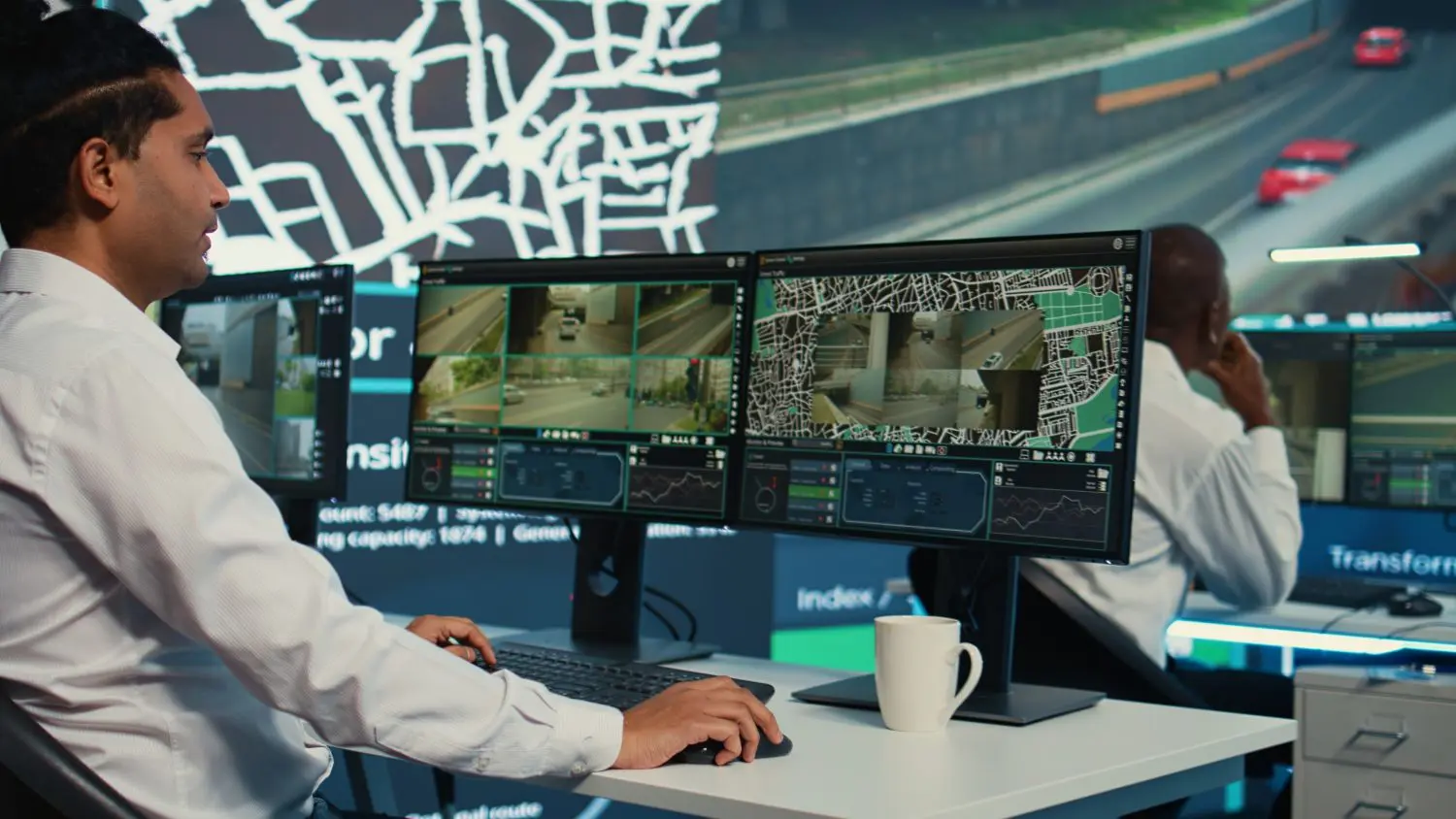
Telematics, in the trailer context, refers to systems that integrate GPS, sensors and onboard diagnostics to transmit data remotely. This technology empowers dealerships to monitor their lot inventory in real time, enabling the creation of geofences around their property and providing instant alerts for unauthorized movement. By leveraging telematics, dealers can improve and refine their asset protection strategies, ensuring that trailers are always secure and accounted for.
The same telematics benefits apply to customers, and they extend beyond security to include additional positive elements. Incorporating real-time asset tracking and monitoring for entire fleets on mobile devices enables fleet managers to benefit from reduced insurance premiums on their trailers, resulting from associated lower risks. In the unfortunate event of theft, telematics systems facilitate rapid recovery assistance, significantly increasing the likelihood of retrieving a stolen trailer.
This combination of added security and enhanced peace of mind for fleet managers and end users serves as a compelling selling point for dealerships, positioning them as leaders in asset protection and customer service delivery within the industry.
The role of GPS in theft recovery
GPS tracking is already a core component of smart security for trailers, crucially aiding in theft prevention and recovery. The two primary types of GPS trackers — passive and active — serve different vital roles in trailer security. Passive GPS trackers store location data for later retrieval and reference. In contrast, active GPS trackers provide real-time location data, which is more effective for managing a fleet’s theft prevention and tracking needs.
Active trackers enable dealerships to establish that their trailers are precisely where they should be at any given time, allowing for immediate action in the event of unauthorized movement. Dealers can capitalize on this technology by offering GPS tracking services as a subscription model, creating a recurring revenue stream while substantially enhancing their customers’ trailer and cargo security.
Bundling tracking services with trailer sales adds value to clients by reducing theft and improving response times. It establishes the dealership as a trusted partner in asset protection. This innovative approach aligns with the growing demand for enhanced security solutions in the automotive industry.
Smart locks and sensors for trailer cargo security
Protecting the cargo inside a trailer is as crucial as safeguarding the trailer, if not more so. Advanced remote locking mechanisms offer an added layer of smart security for valuable goods. These smart locks allow stakeholders to secure their cargo with the touch of a button during transportation.
Incorporating door, temperature and cargo sensors enhances theft prevention and minimizes loss, particularly in high-value commercial haulage. Door sensors alert management and security personnel to unauthorized access, while temperature sensors monitor conditions to protect sensitive cargo from loss via spoilage.
Trailer dealers can frame these features as premium offerings to upsell to customers with specific hauling needs. By highlighting the benefits of increased cargo security, they can provide their clientele with comprehensive solutions, boosting sales while reinforcing their commitment to customer satisfaction.
Benefiting from smart security
Investing in smart tech security features for trailers benefits both dealerships and industry stakeholders. By marketing smart-equipped trailers as premium, high-security product lines, dealerships can enhance trailer security by reducing trailer theft and loss for their customers while minimizing their own inventory losses and potentially lowering their insurance premiums.
Introducing service-based revenue through subscription models for GPS tracking and cargo monitoring further boosts dealership ROI and customer value. These advanced features will protect client assets and also position the dealership as an innovative industry leader.