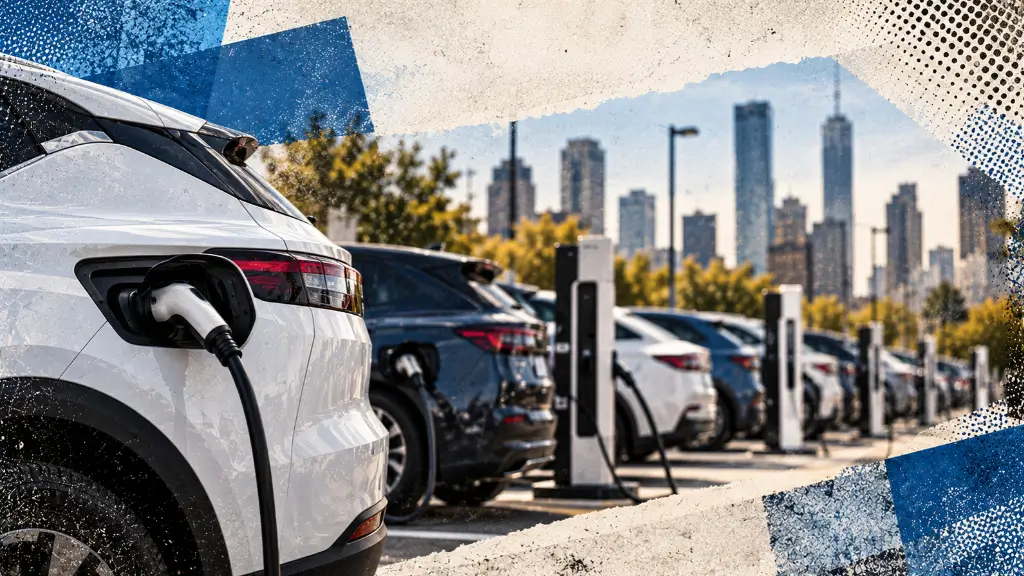
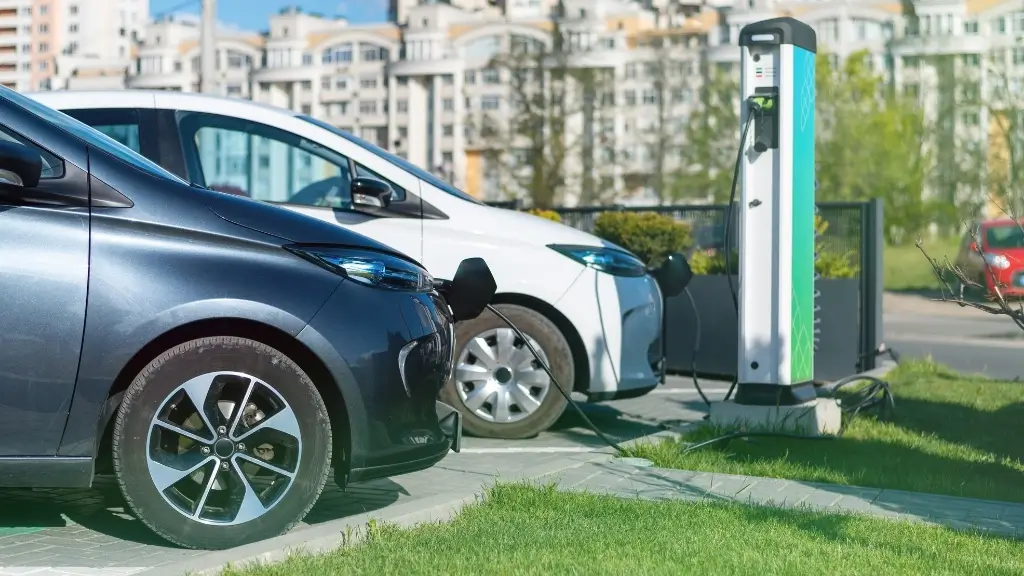
The automotive industry is currently focused on electric vehicles. However, hydrogen fuel cell cars are also emerging, providing a viable alternative in the market. Many forward-thinking dealers are making way for this new and inevitable demand through their sales, service and infrastructure.
Separating hype from hydrogen reality
Electric vehicles can require up to 30 hours of charging time, preventing many from buying one. On the other hand, hydrogen vehicles can be refueled in just three to five minutes and can travel 300-400 miles. Major automobile companies, such as Toyota, Hyundai, BMW and Honda, are actually investing in alternative fuel trends.
However, there are currently a low number of fuel stations due to the slow growth of hydrogen vehicle ownership. The good news is that now is the best time to get ahead of the curve and become an anchor point for zero-emission vehicle infrastructure as a dealer.
Navigating hydrogen infrastructure investment
Investing in hydrogen fuel cell cars might seem daunting. However, it all boils down to dealership training and hydrogen tech. To do this, industry professionals should ally with third-party refueling stations near their place of business. They can benefit from the proximity without extensive capital investment. The next step is to commit to alternative fuel trends and own the zero-emission vehicle refueling infrastructure.
Dealers should diligently vet hydrogen suppliers based on historical performance, reliability, safety protocol and cost. They should also research and study deeply how hydrogen fuel differs from other sources. For example, the least costly way to produce hydrogen gas is to extract it from fossil fuels. Other methods include electrolysis and steam methane reforming.
Reimagining the service bay for hydrogen vehicles
Repair looks different for hydrogen cell cars. Instead of focusing on machine failures or battery problems, repair would focus on the chemical process of extracting hydrogen gas. Some of the necessary materials for hydrogen fuel cell car service bays include:
- Diagnostic tools: Software and hardware to analyze fuel cell performance
- Safety equipment: Ventilation systems to handle hydrogen, hydrogen gas detectors
- Specialized lifts: Equipment for accessing and lowering hydrogen tanks
To boost profits and take the business to the next level, owners should position their dealership as more than just a place to buy them. They should become a regional service provider for all hydrogen vehicles. The low competition allows them to become a leader in the industry and start a new profit center.
Evolving the sales process for a new kind of customer
Automotive dealers should ensure they provide staff training in hydrogen technology to reinforce their authority as a company. They would need to explain unfamiliar concepts to clients, such as that hydrogen is 14 times lighter than air and odorless. Other crucial information is kilowatt-hours and fuel cell stack efficiency. Demonstrating knowledge of hydrogen gas in line with industry standards reassures customers that a dealership’s services are premium and that its team is informed.
Professionals should also develop tools that make hydrogen vehicles highly attractive, such as an app that maps routes to available refueling stations. They can also create detailed pamphlets outlining the environmental benefits of hydrogen fuel cell cars. By doing this, they are positioning their dealership as a leader in this growing trend.
Some other marketing techniques include test drives and guided tours that allow clients to experience the ease and power of these vehicles. These strategies help clients become familiar with the vehicle’s unique system and provide tutorials to reduce after-sales support calls.
Actionable first steps for future-proofing a dealership
To make investing in zero-emission vehicle infrastructure easier, automotive dealership owners should:
- Assign management teams to research hydrogen fuel cell car releases in the region.
- Identify reputable dealership training and hydrogen tech programs and certifications.
- Audit technicians’ current skill sets and train them in relevant programs.
- Implement safety protocols when handling hydrogen gas.
- Establish partnerships with refueling stations.
Transitioning form a dealership to an energy hub
The switch to alternative fuels is more than just adding hydrogen vehicles to a dealership’s inventory. It is about educating people on the growing trend and how they can benefit. Dealers can use the slow growth as an opportunity to become a market leader in hydrogen vehicles by investing heavily in zero-emission vehicle infrastructure. By planning the transition, training staff well and committing to providing a leading service bay, a dealership can be one of the early adopters of a zero-emission future in the industry.