
On the Dash:
- Average new-vehicle transaction prices crossed $50,000 for the first time since December, rising 1.9% year over year.
- Subcompact and compact SUVs continue to give dealers strong options for affordability-focused shoppers.
- EVs averaged $54,813, down 2.7% year over year, with incentives reaching 12% of the purchase price.
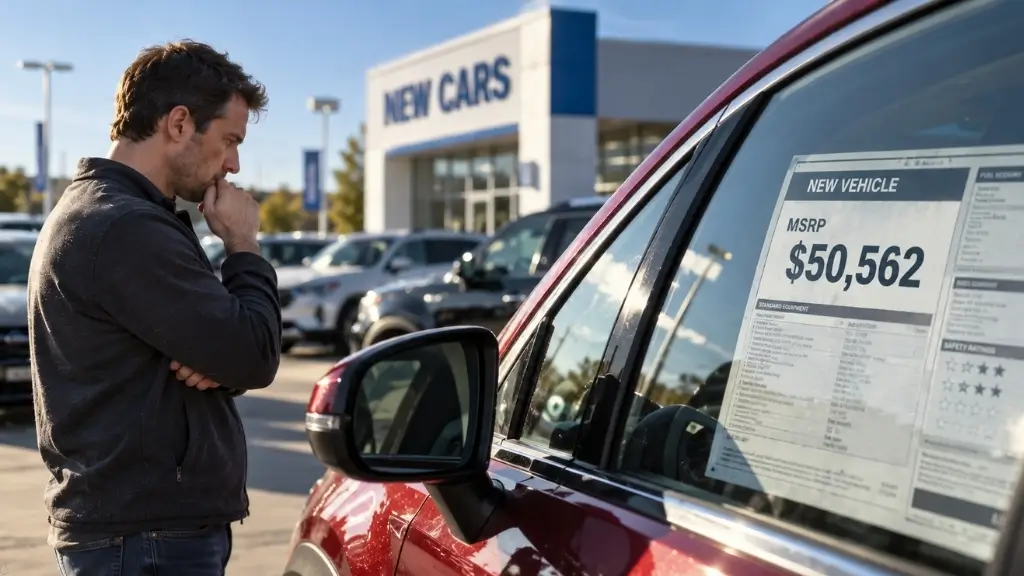
New-vehicle transaction prices moved back above $50,000 in August as higher-priced vehicle segments pushed the industry average higher, while affordability continued steering shoppers toward lower-cost options.
The average transaction price reached $50,089, up 1.9% from August 2025, according to Kelley Blue Book data. It marked the first time since December that the average topped $50,000. Despite the headline figure, prices are not rising at an unusually fast pace. The 1.9% year-over-year increase remains below the roughly 3% annual growth typically seen in a normal market.
Vehicle mix is doing much of the work. Midsize SUVs and full-size pickups continue to lift the overall average, while shoppers under greater financial pressure are gravitating toward less expensive segments. For dealers, subcompact and compact SUVs remain key options for shoppers trying to keep vehicle costs in check.
Affordable SUVs remain critical
While compact SUVs averaged $37,722 in August, subcompact SUVs averaged $31,149. Compact cars remained the least expensive of the five top-selling segments at $27,997. Additionally, Subcompact SUV sales growth further underscores the demand for affordable utility. Compact SUVs had outsold midsize SUVs for much of 2026, but that trend reversed in August as midsize SUVs regained the lead.
Temporary constraints on Toyota RAV4 availability contributed to the shift, showing how inventory conditions can quickly affect segment performance and the overall industry sales mix.
2027 models push prices higher
The arrival of 2027 models is another factor pushing transaction prices higher in the second half of the year. Cox Automotive executive analyst Erin Keating previously predicted that average transaction prices would move above $50,000 as 2026 progressed. With the latest data crossing that threshold, model-year mix will remain an important factor for dealers tracking pricing trends through year-end. But higher transaction prices do not mean shoppers are suddenly less concerned about affordability. Monthly payments remain a major consideration, putting greater pressure on dealers to match customers with vehicles that fit their budgets.
Average incentives reached 6.5% of the purchase price in August. That support can help offset higher transaction prices and give dealers more flexibility when working with payment-sensitive shoppers. The effective cost of a new vehicle ultimately comes down to more than its transaction price. Incentives, financing and vehicle selection all play a role in determining the payment a customer takes home.
EV pricing continues to fall
EVs are moving in a different direction. The average EV transaction price fell to $54,813 in August, down 1.2% from July and 2.7% from a year earlier. Incentives reached 12% of the purchase price, nearly twice the overall industry average.
For dealers, the combination of lower EV transaction prices and heavier incentives could create more room to position electrified models against higher-priced gas-powered vehicles. With new-model launches, inventory shifts and affordability concerns all influencing the market, dealers will need to watch more than the $50,000 headline. The mix of vehicles consumers choose, the incentives attached to them and the financing available will continue to shape demand through the rest of 2026.