
On the Dash:
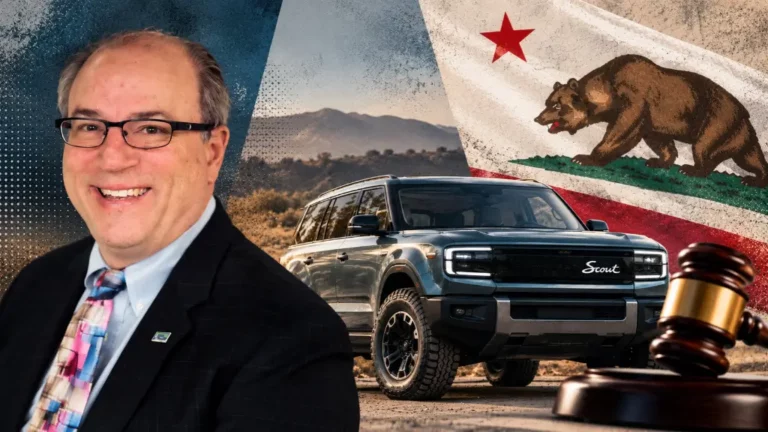
- Sen. Elissa Slotkin, D-Mich., says she has heard unconfirmed talk of a possible policy shift that could ease U.S. barriers on Chinese vehicles.
- Congress is moving in the opposite direction, with Slotkin and Sen. Bernie Moreno, R-Ohio, pushing bipartisan legislation to tighten restrictions on Chinese vehicles and connected-vehicle technology.
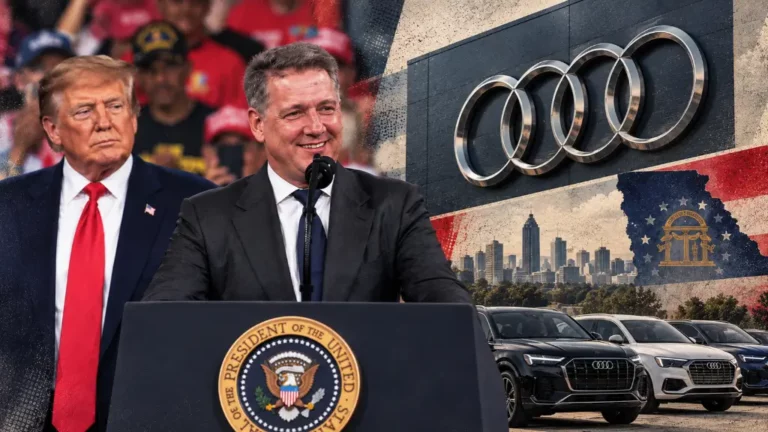
- The debate comes as President Trump prepares to host Chinese President Xi Jinping at the White House on Sept. 24.
Sen. Elissa Slotkin, D-Mich., says she has picked up early signals that the Trump administration could ease restrictions on Chinese vehicles entering the U.S. market. Slotkin has not identified a source for the claim, and the White House has not confirmed any policy change.
According to a Reuters report, Trump and Chinese President Xi Jinping are scheduled to meet in Washington on Sept. 24, a visit Trump extended during his May trip to Beijing. The timing has fueled speculation among members of Michigan’s congressional delegation about what trade issues could be on the table.
While the rumor remains unverified, Congress is pushing in the opposite direction. Slotkin and Moreno introduced bipartisan legislation targeting Chinese vehicles, along with the software and hardware that connect them to broader vehicle networks. Major automakers have largely backed the effort, urging lawmakers to keep restrictions in place as Chinese brands expand their footprint overseas.
Existing trade barriers already limit Chinese vehicles
Chinese automakers already face steep barriers in the U.S. market, with a 25% tariff on imported vehicles, layered on top of other duties, keeping Chinese brands such as BYD and Geely out of American showrooms even as they gain market share in Europe, Mexico and Canada. Any softening of that stance could reshape competition for dealers already contending with tighter margins.
The debate over China’s role in the auto industry extends beyond vehicle imports. In a letter reported this month, the U.S. Department of Transportation said it was troubled by Ford’s reliance on Chinese battery maker CATL and by the automaker’s joint venture with Geely in Spain, arguing the partnerships could give a strategic rival a stronger foothold in Western Europe.
Addressing Chinese auto competition
For dealers, the immediate question isn’t whether Chinese automakers will enter the U.S. market anytime soon, since no policy change has been announced. It’s whether Washington maintains, expands or loosens the restrictions already in place, and how the Sept. 24 meeting between Trump and Xi factors into that decision. The outcome could shape competition, sourcing and product strategy across the industry for years to come.