On the Dash:
- Slower EV rollout may extend the profitability window for gas-powered trucks and SUVs.
- Inventory strategies should align with continued strong demand for ICE trucks over near-term EV adoption.
- EV uncertainty could affect long-term planning, requiring flexibility in the product mix and infrastructure investments.
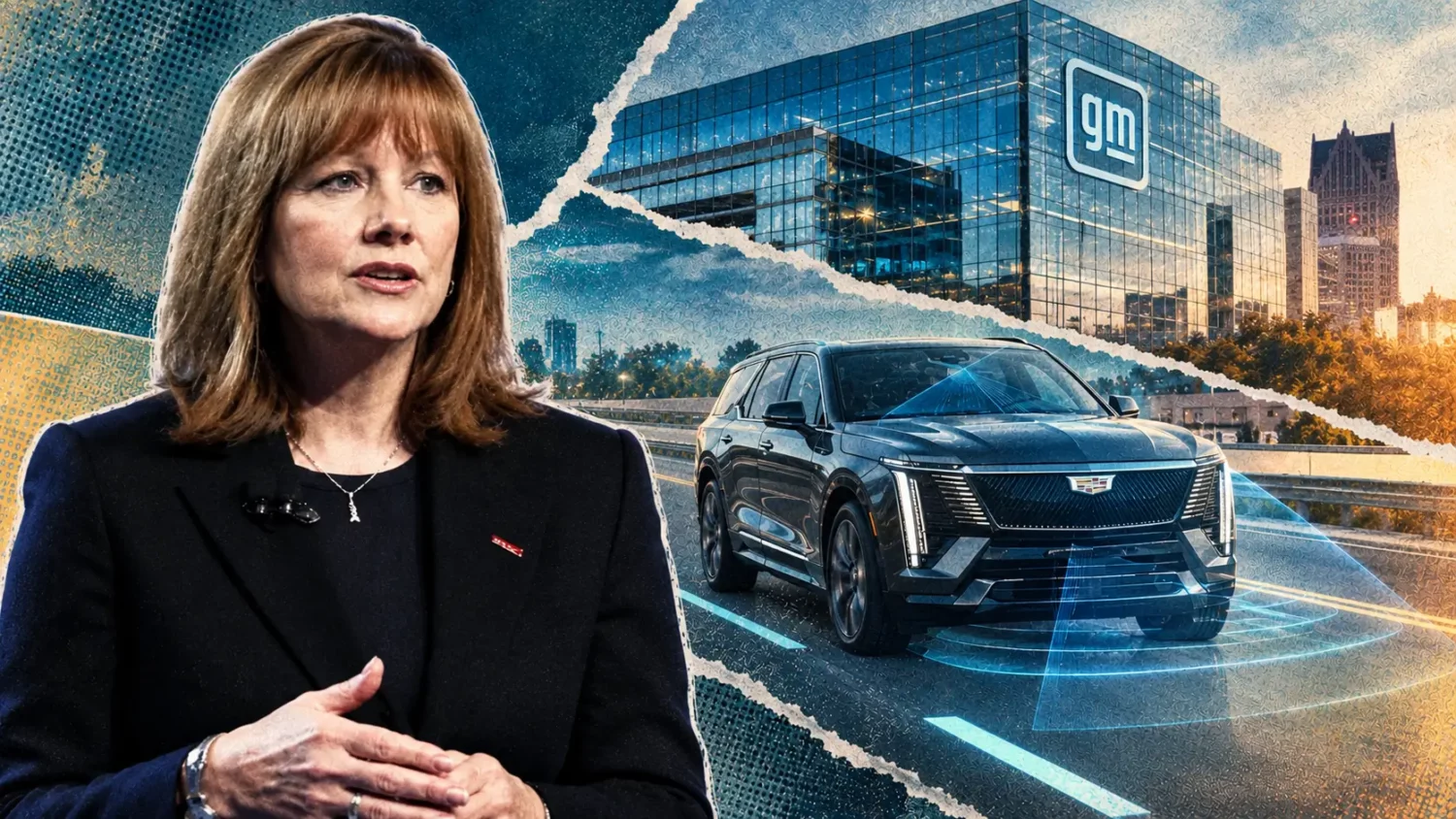
General Motors has indefinitely suspended plans to refresh its full-size electric truck and SUV lineup, underscoring a broader pullback in its EV strategy as the automaker shifts focus toward gas-powered vehicles.
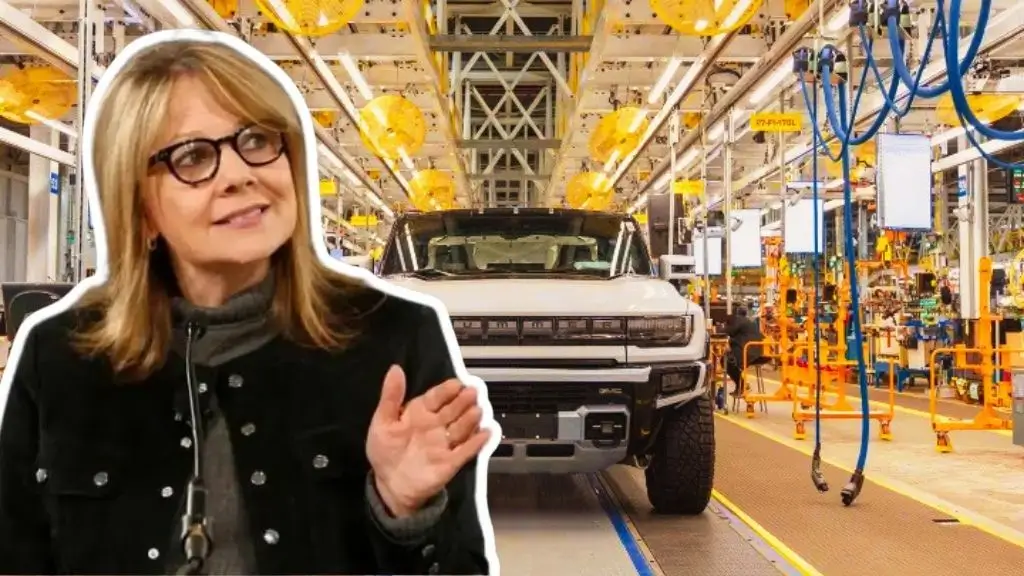
The delayed refresh affects future versions of the Chevrolet Silverado EV, GMC Sierra EV, Hummer EV, and Cadillac Escalade IQ. GM had previously planned a next-generation update for 2028, including lower-cost variants to expand adoption, according to a report from Crain’s Detroit Business. Those plans have now been shelved without a revised timeline.
The automaker did not provide additional details, stating that it has not disclosed the timing of next-generation battery-electric trucks and would not speculate on future plans.
The decision follows mounting financial pressure within GM’s EV division. The company recorded $7.6 billion in EV-related charges in 2025, including a $6 billion writedown tied to canceled production plans and battery supply agreements. EV sales also declined sharply, with fourth-quarter 2025 volume falling 43% after the expiration of federal tax incentives.
Sales of GM’s current electric truck and SUV lineup remain limited. In the first quarter of 2026, the automaker sold roughly 1,400 Silverado EVs, 1,300 Sierra EVs, 1,600 Hummer EVs, and 2,000 Escalade IQ models.
At the same time, GM is expanding production of gas-powered pickups. The company is adding a sixth production day at its Flint Assembly plant to meet demand for heavy-duty Chevrolet Silverado and GMC Sierra models.
The shift adds to ongoing challenges at Factory Zero, GM’s dedicated EV facility in Detroit-Hamtramck. The plant has faced multiple shutdowns and workforce reductions in recent months, reflecting slower-than-expected EV demand and lower production volumes.
GM’s move aligns with a broader industry recalibration, as automakers reassess EV investments amid profitability concerns and uneven consumer demand.