On the Dash:
- High recall volume may increase service traffic, creating both operational strain and revenue opportunities.
- Growth in software-based recalls could shift more fixes away from service bays toward OTA and mobile solutions.
- Ongoing quality concerns may impact customer trust and require stronger communication at the dealership level.
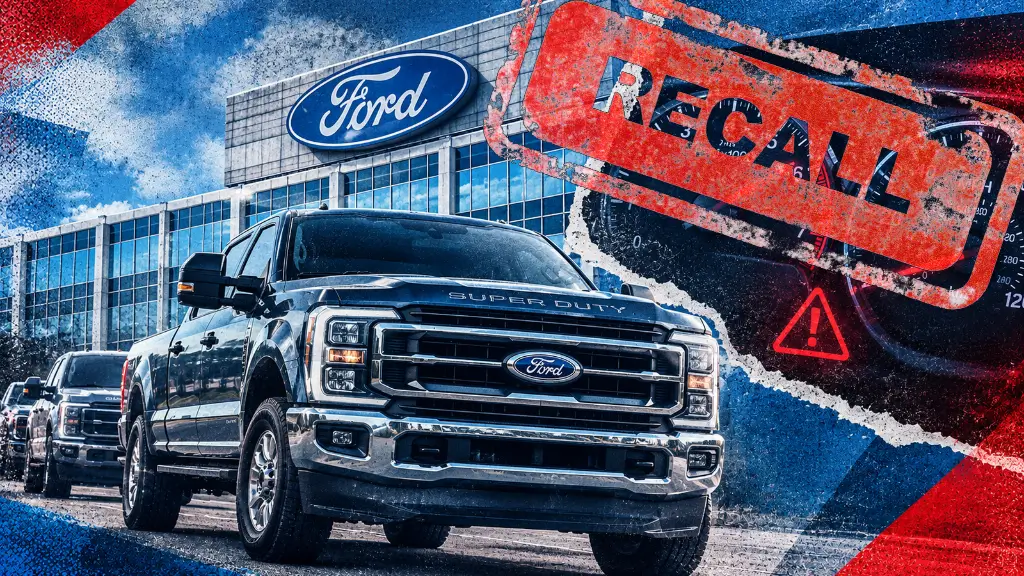
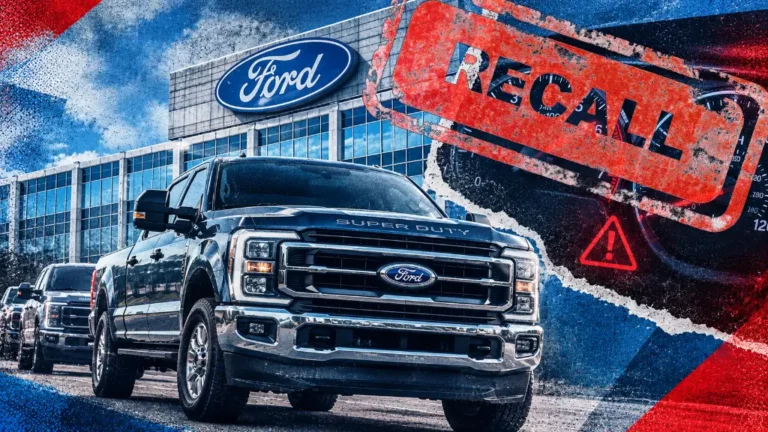
Ford recalled more vehicles than any major automaker over the past year, with new analysis projecting some models could face nearly 100 recalls over their lifetime, which raises ongoing concerns about the quality of long-term reliability.
A recent iSeeCars study found that Ford had the most recalled vehicles in the industry from April 2025 through March 2026. The automaker placed 12 models among the 25 vehicles with the most projected recalls over a 30-year lifespan.
The Lincoln Aviator led the list with a projected 92 lifetime recalls, compared to the industry median of 3.9. Other high-ranking models include the Lincoln Corsair, Ford Maverick, and Ford Bronco.
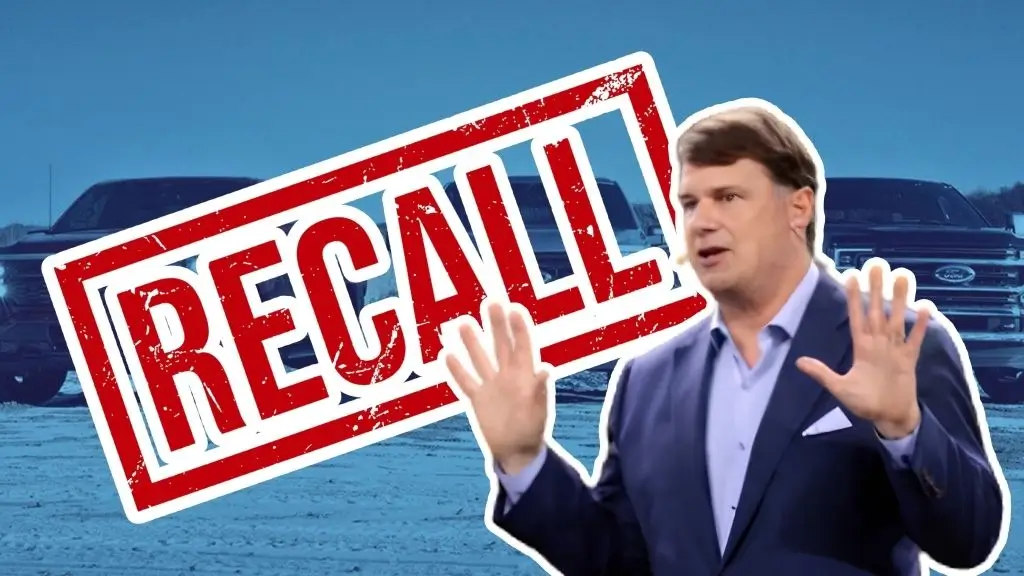
Notably, Ford issued a record 152 recalls in 2025, according to the National Highway Traffic Safety Administration, totaling nearly 20 million vehicles. 90% of those recalls stem from vehicles engineered between 2013 and 2020, prior to CEO Jim Farley taking leadership in late 2020.
The automaker is also addressing quality issues through expanded safety teams, enhanced testing, and stricter software validation processes. Warranty costs declined by $500 million in 2025, and the company reported improved rankings in quality studies from J.D. Power and Consumer Reports.
Roughly 80% of recalls in 2026 were software-related and can be resolved through over-the-air updates, mobile service, or dealership visits.
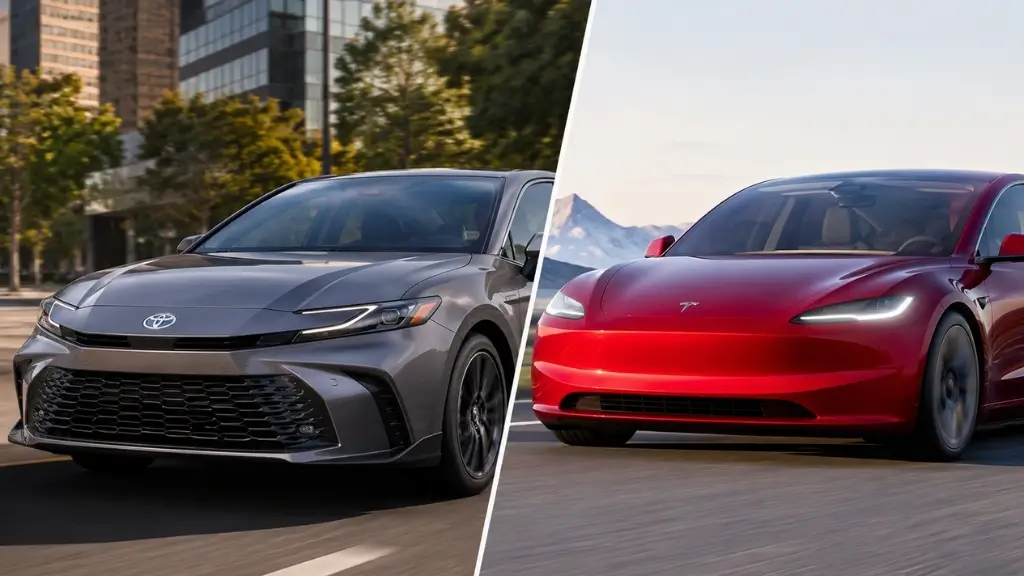
Although Toyota and Stellantis trailed Ford in total recalls over the same period, Tesla demonstrates how software-based recalls can reduce service disruptions, as many fixes are handled remotely. Notably, Mercedes-Benz also ranked highest for the fewest projected recalls, with several models expected to have fewer than one recall over their lifespans.
A 2024 settlement with NHTSA requires Ford to review and potentially expand past recalls, which could increase recall activity. Analysts say recent increases in recalls may reflect stricter regulatory oversight alongside ongoing quality challenges.
Ford expects newer vehicle launches to show improvement, though full results may take several years to materialize.