
According to preliminary estimates from LMC Automotive, a leading automotive forecasting, and data company, U.S. auto sales saw a notable increase in February 2023. LMC predicts that the total vehicle sales for the month of February reached 1.4 million units, a 9.5% improvement from the previous year.
The seasonally adjusted annual rate (SAAR) is expected to be 15 million in February, outpacing earlier estimates. While this is a decline from January’s 16.21 million SAAR, it is a vast improvement from February 2022’s 13.96 million pace.
David Oakley, Manager of Americas Sales Forecasts at LMC Automotive, said, “February was one of the more upbeat months for the U.S. auto market in recent times, although this should be taken in the context of the lower volumes we have seen since the onset of the chip shortage and other supply-side issues. One encouraging sign from February’s results was that the recovery appeared to become more broad-based, with brands that had been extremely subdued showing some evidence of returning to more normal levels, as inventory climbs.”
Automakers Snapshot
However, not all automakers fared equally in February 2023 sales results. While some saw significant growth, others struggled to keep up with the competition. Japanese automaker Toyota, for example, reported a 2.4% decline in sales compared to the same period in 2022. This was primarily due to supply chain disruptions caused by ongoing chip shortages, which led to production slowdowns and delays in vehicle deliveries.
Similarly, fellow Japanese automaker Honda also struggled, reporting a 1.4% decline in sales compared to the previous year. Several of Honda’s most popular models, like the Pilot and Accord, posted considerable decreases in sales.
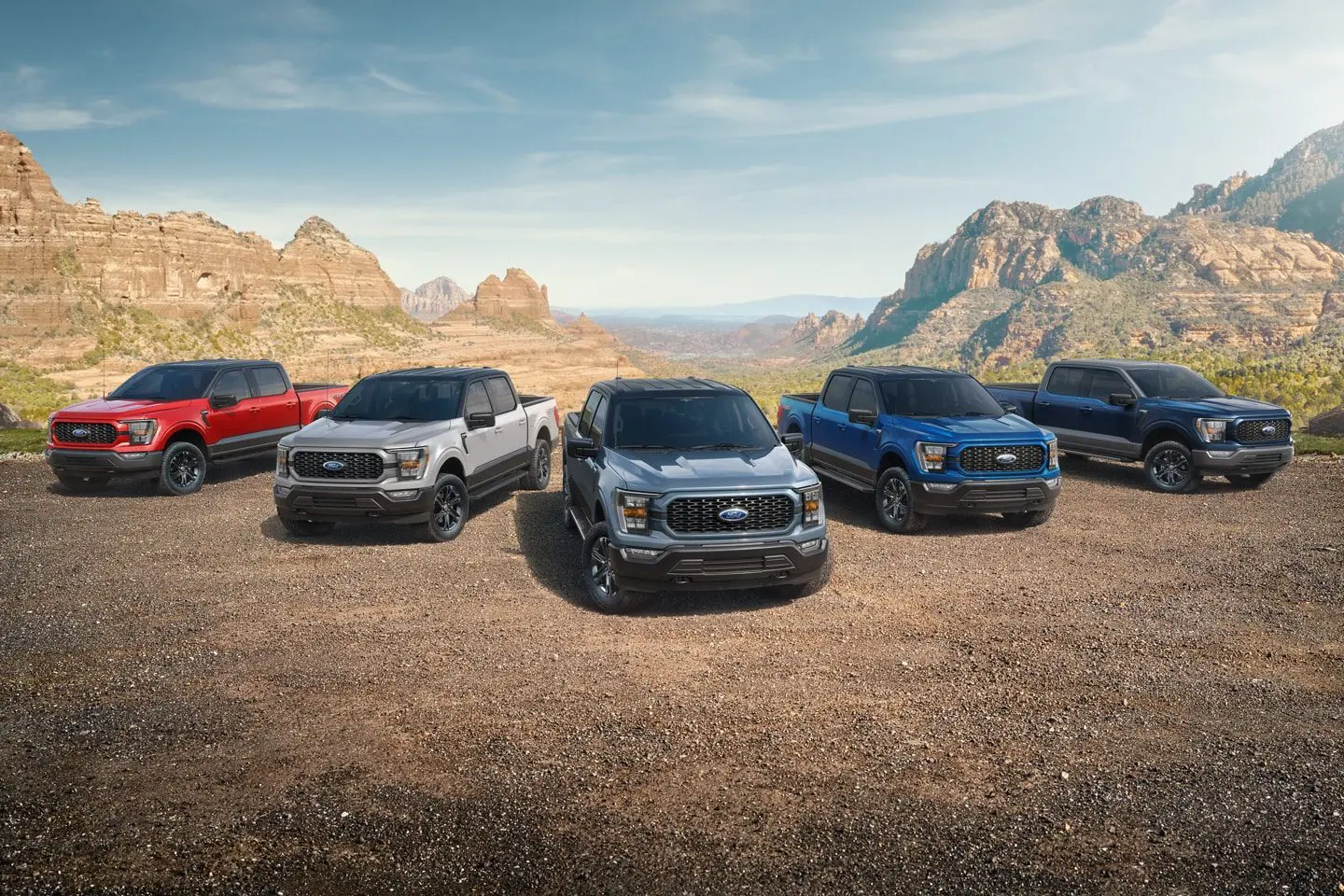
On the other hand, February sales increased by more than 20% year-over-year at Ford, thanks to the F-Series pickups and electric F-150 Lightning. Sales of the F-series increased 22% last month compared with a year earlier, totaling about 55,000 units, including 1,336 units of its electric F-150 Lightning.
Hyundai Motor America reported total February sales of 57,044 units, a 9% increase compared to a year ago. This was the fourth month in a row Hyundai America set sales records and the best February in company history. The Elantra (+53%), Elantra N (+72%), Kona EV (+753%), Kona N (+42%), and Santa Fe HEV (+121%) were standout models for the automaker last month.
Looking ahead
Industry analysts predict that the U.S. auto market will continue to see strong demand throughout the remainder of 2023. With the continued rollout of new EV models and persistent consumer demand, many automakers are optimistic about the outlook for the year.
However, challenges still remain, particularly in the form of ongoing supply chain disruptions and economic headwinds for consumers. These factors could continue to impact production and delivery times, and rising average transaction prices, leading to potential setbacks for some automakers.
Overall, the February 2023 auto sales results paint a mixed picture of the U.S. auto market. While overall sales saw strong growth, some automakers struggled to keep up with the competition, highlighting the industry’s ongoing challenges. Nevertheless, the continued growth in EV sales and rebound in consumer confidence bode well for the future.