TSLA400.620400.62%
GM81.3203.27%
F12.8700.43%
RIVN17.23017.23%
CYD43.2600.9381%
HMC25.0000.64%
TM217.2004.34%
CVNA387.50025.26%
PAG161.3205.3%
LAD283.0408.17%
AN207.9909.7%
GPI349.94014.46%
ABG211.4407.35%
SAH70.7003.33%
TSLA400.620400.62%
GM81.3203.27%
F12.8700.43%
RIVN17.23017.23%
CYD43.2600.9381%
HMC25.0000.64%
TM217.2004.34%
CVNA387.50025.26%
PAG161.3205.3%
LAD283.0408.17%
AN207.9909.7%
GPI349.94014.46%
ABG211.4407.35%
SAH70.7003.33%
TSLA400.620400.62%
GM81.3203.27%
F12.8700.43%
RIVN17.23017.23%
CYD43.2600.9381%
HMC25.0000.64%
TM217.2004.34%
CVNA387.50025.26%
PAG161.3205.3%
LAD283.0408.17%
AN207.9909.7%
GPI349.94014.46%
ABG211.4407.35%
SAH70.7003.33%

Consumers rank OEM electric vehicle apps low in J.D. Power study

A new J.D. Power report indicates that electric vehicle drivers have grown increasingly frustrated over OEM-created apps

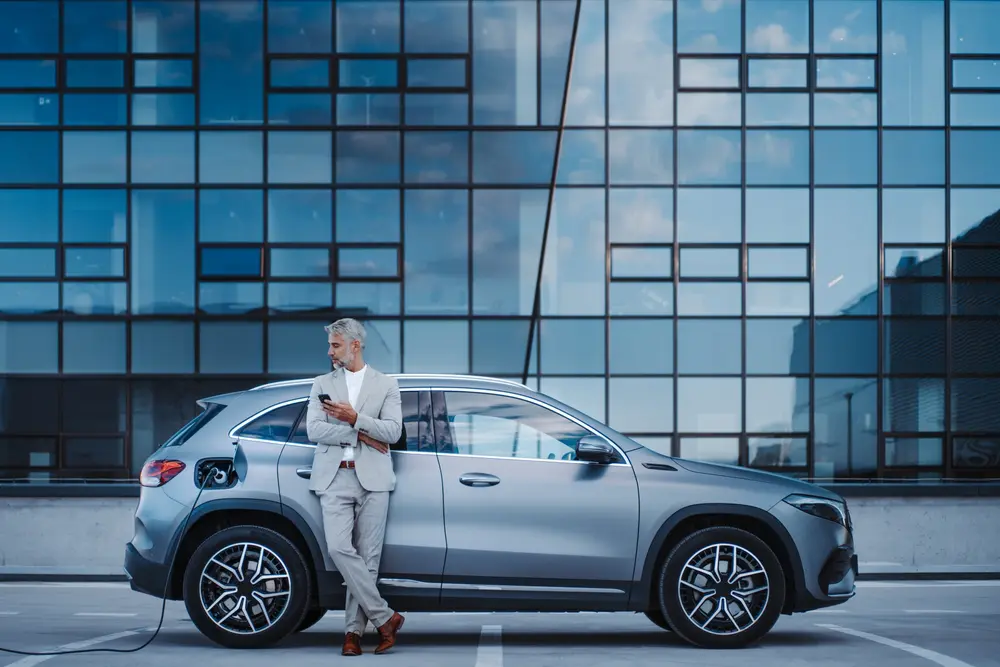
A new J.D. Power report indicates that electric vehicle drivers have grown increasingly frustrated over OEM-created apps, which they often rely on for a plethora of vital services.

The report notes that a majority of EV drivers regularly use first-party apps to monitor battery usage, driving range etc. However, in a survey arranged by J.D. Power, electric car owners gave design elements in these software packages the lowest ratings in terms of satisfaction. Specifically, consumers cited “speed and ease of navigation” as the worst aspects of these platforms. Furthermore, 85% of EV buyers relied on assistance from their auto dealer or OEM to set up and understand their car’s related application.

Jason Norton, senior manager of global automotive consulting at J.D. Power, suggested that EV manufacturers take consumer complaints into account for future iterations of their software. “Manufacturers need to focus on improving the performance of the areas that matter most to electric vehicle owners in order to maximize their impact and elevate the user experience.”

Automakers have long aimed to ramp up vehicle connectivity, hoping to make operation more convenient and accessible. As a result, car brands have invested heavily into software development, with some eyeing new sources of revenue via subscription based services. However, from a consumer perspective, the line between inconvenient and useful features is often blurred. Technological frustrations can become especially heated when they prevent users from accessing necessary elements of daily life, such as transportation, making such issues a major concern for companies trying to innovate in their space. To convince a wider population of potential electric vehicle drivers that electrification is worth abandoning their traditional gas-guzzler, OEMs will likely need to spend more time refining their products and services than they may be used to.
Read More
More from Articles
New York doubles down on electric school bus mandate

New York doubles down on costly electric bus mandate as reality sets in

- April 20, 2026
Albany isn’t hitting the brakes—it’s flooring the accelerator on a policy that’s already raising red flags with the people who have to pay for it. New York’s electric school bus...
STL launches ‘Neuralis’ in the US: A high-performance Data Center portfolio engineered for the AI era

STL launches ‘Neuralis’ in the US: A high-performance Data Center portfolio engineered for the AI era

- April 17, 2026
Washington, United States, 17/April/2026: STL Optical Connectivity NA, LLC,  (STLOC),  a U.S. subsidiary of STL [NSE: STLTECH], a leading connectivity solutions provider for AI-ready digital infrastructure, today announced the U.S. launch of Neuralis, its flagship...
GM leans on global production to supply U.S. market amid cost pressures

GM leans on global production to supply U.S. market amid cost pressures

- April 17, 2026
On the Dash: Imported inventory may create variability in delivery timing and supply consistency. Trade policy shifts could impact the pricing and availability of certain models. Global production strategies may...
Volkswagen ends U.S. EV output, triggering $600 million financial hit 

Volkswagen ends U.S. EV output, triggering $600 million financial hit 

- April 17, 2026
On the Dash: Slower EV demand may impact inventory planning and turn rates for electric models. Production pullbacks could tighten EV supply or shift sourcing toward imports. Ongoing cost pressures...
CBT News
Privacy Overview

This website uses cookies so that we can provide you with the best user experience possible. Cookie information is stored in your browser and performs functions such as recognising you when you return to our website and helping our team to understand which sections of the website you find most interesting and useful.