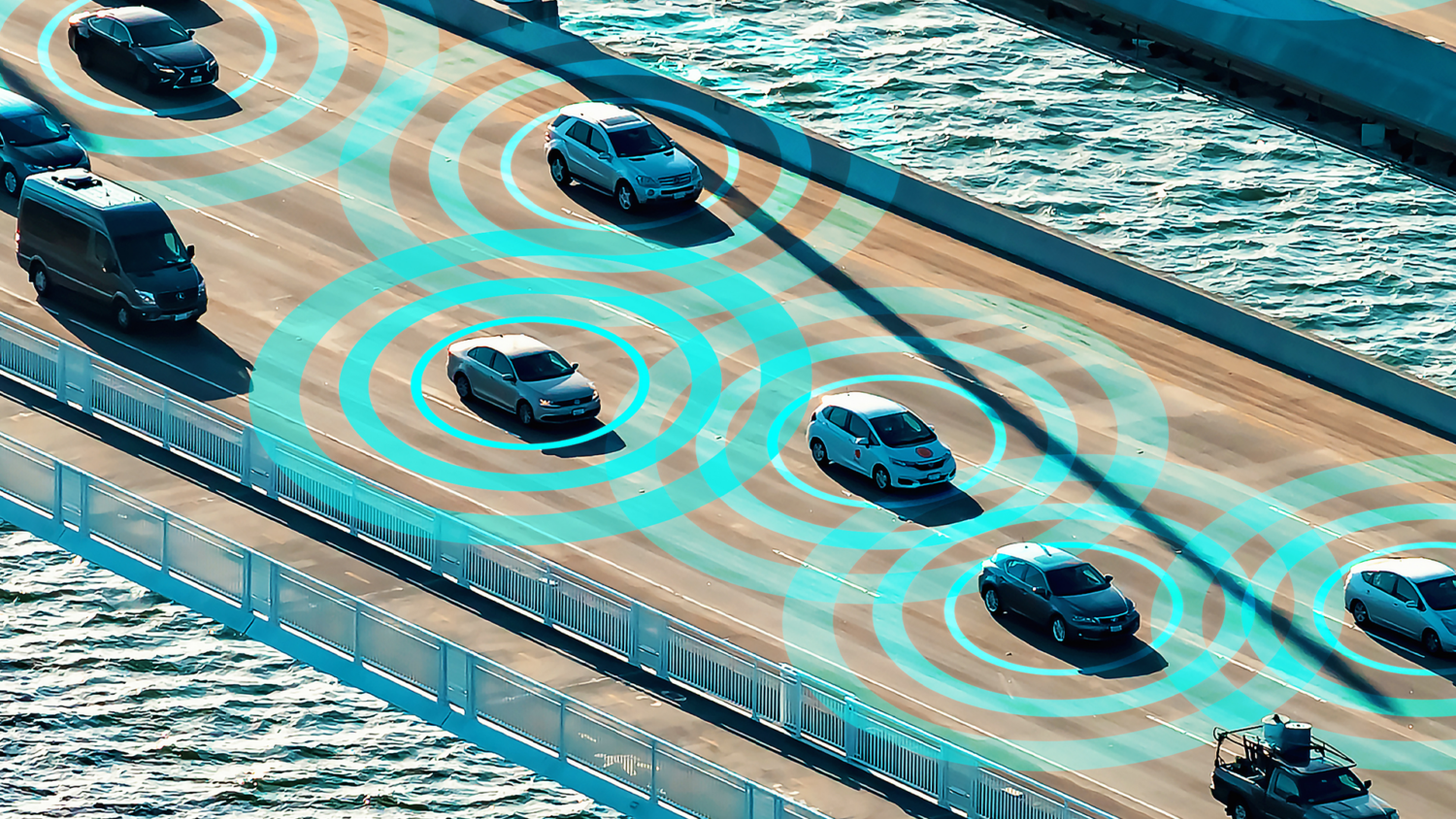
The J.D. Power 2022 US Mobility Confidence Index (MCI) study shows that consumer readiness for automated vehicles (AV) remains low, dropping three points from 2021.
The study was conducted in partnership with J.D. Power, Partners for Automated Vehicle Education (PAVE), and the MIT Advanced Vehicle Technology (ATV) Consortium. The stud is based on responses from 4,000 vehicle owners in the US age 18 and older who completed a 15-minute online survey.
The index for consumer AV readiness came in at 39 on a 100-point scale, and results show that consumers are more comfortable with the transport of goods rather than people in fully automated, self-driving commercial vehicles. The study shows that consumers have the lowest level of comfort riding in fully automated, self-driving cars and using public transportation featuring these technologies.
The results show that consumer understanding of automated vehicles has held steady since last year, with 65% inaccurately defining “fully automated, self-driving vehicles.” 56% of respondents confuse FSD capabilities with the driver-assist technologies available today. The study shows that consumers prefer the terms assisted driving, driver assistance, and semi-autonomous when describing multiple levels of automation.
“Industry stakeholders must work together to ensure clear and consistent messaging, and the use of consumer-facing terminology is part of this,” said Lisa Boor, senior manager of auto benchmarking and mobility development at J.D. Power.
“Understanding which words and phrases resonate with consumers can help manage misconceptions and improve consumer understanding of AVs, which is a common goal.”
Other findings from the report showed that more than half of consumers are willing to complete training to operate an AV, a percentage that increases to 87% among those who say they know “a great deal” about AVs. 73% say they expect training would be required to own and operate an AV.
Only 26% of consumers are currently using active driving assistance, and 41% say that driver assist technology is the maximum level of automation they are comfortable using. 76% said they want more information on how the technology meets government standards before they feel comfortable.
“I am not ready to trust my life to a fully automated vehicle. Need time to trust the system’s capabilities,” said one respondent.
“These results provide further evidence that many consumers lack a clear understanding of the current status of automated and assisted driving technologies,” said Bryan Reimer, Ph.D., a research scientist in the MIT Center for Transportation and Logistics AgeLab and a founder of MIT’s AVT consortium.
“Highly automated driving technology is still very much in an evolving and testing stage; there are issues and limitations being encountered – and corrected. The sooner consumers recognize that they can leverage a range of ADAS features today to support their role as a driver while still having overall responsibility, the faster we may begin to prepare for a future in which we prioritize safe, convenient, and sustainable mobility choices that include highly automated vehicles,” Reimer said.
Did you enjoy this article? Please share your thoughts, comments, or questions regarding this topic by connecting with us at newsroom@cbtnews.com.
Be sure to follow us on Facebook, LinkedIn, and TikTok to stay up to date.
While you’re here, don’t forget to subscribe to our email newsletter for all the latest auto industry news from CBT News.