TSLA400.4904.11%
GM79.290-0.29%
F14.0400.08%
RIVN16.5200.26%
CYD48.700-2.35%
HMC26.2600.07%
TM173.9401.17%
CVNA66.5503.69%
PAG175.2003.87%
LAD294.8501.83%
AN188.7402.38%
GPI313.1608.09%
ABG197.0506.92%
SAH80.7302.6%
TSLA400.4904.11%
GM79.290-0.29%
F14.0400.08%
RIVN16.5200.26%
CYD48.700-2.35%
HMC26.2600.07%
TM173.9401.17%
CVNA66.5503.69%
PAG175.2003.87%
LAD294.8501.83%
AN188.7402.38%
GPI313.1608.09%
ABG197.0506.92%
SAH80.7302.6%
TSLA400.4904.11%
GM79.290-0.29%
F14.0400.08%
RIVN16.5200.26%
CYD48.700-2.35%
HMC26.2600.07%
TM173.9401.17%
CVNA66.5503.69%
PAG175.2003.87%
LAD294.8501.83%
AN188.7402.38%
GPI313.1608.09%
ABG197.0506.92%
SAH80.7302.6%

Car owners spending record $12,000 a year on their new vehicles

New car owners are now spending an average of $12,182 a year on their vehicles, according to data from the American Automobile Association
New car owners are now spending an average of $12,182 a year on their vehicles, according to data from the American Automobile Association.

New car owners are now spending an average of $12,182 a year on their vehicles, according to data from the American Automobile Association (AAA).

The costs of vehicle ownership have risen significantly since the onset of the COVID pandemic. During 2019, AAA reported that new car owners were spending $9,282 a year, which at the time was the highest since the association began tracking consumer spending. In the four years since, annual costs have risen more than 30%, rising 13.5% between 2022 and 2023 alone. While previous surges in owner expenses were typically driven by individual components such as financing fees and gas prices, this year’s increase can be attributed to multiple factors.

AAA notes that MSRPs have risen 4.7% or $1,575 since 2022, resting at an average of $34,876. On the other hand, average transaction prices for current model-year vehicles reached $48,334 in July, a $199 increase from the prior-year period. Finance expenses, which hit $920 in 2019, now average $1,253, a four-year increase of 36.2% and a one-year increase of 90%. Used vehicle prices have also declined, giving car owners less money from trade-ins to put toward their next purchase. New car owners are also facing pressures outside the auto market, such as high inflation, strict lending policies, increasing insurance costs and interest rate hikes.

Although sales and profit margins have remained strong since 2019 thanks to pent-up demand and price-boosting supply shortages, the effect of the pandemic on new car owners has been severe. Given that the market is starting to show signs of normalizing, dealers will soon need to compete again for customers. Since new car owners will prioritize working with the retailers that best address their pain points, the time is now for dealerships to implement solutions that will retain and attract enough business to accommodate declining profit margins.
Read More
More from Articles
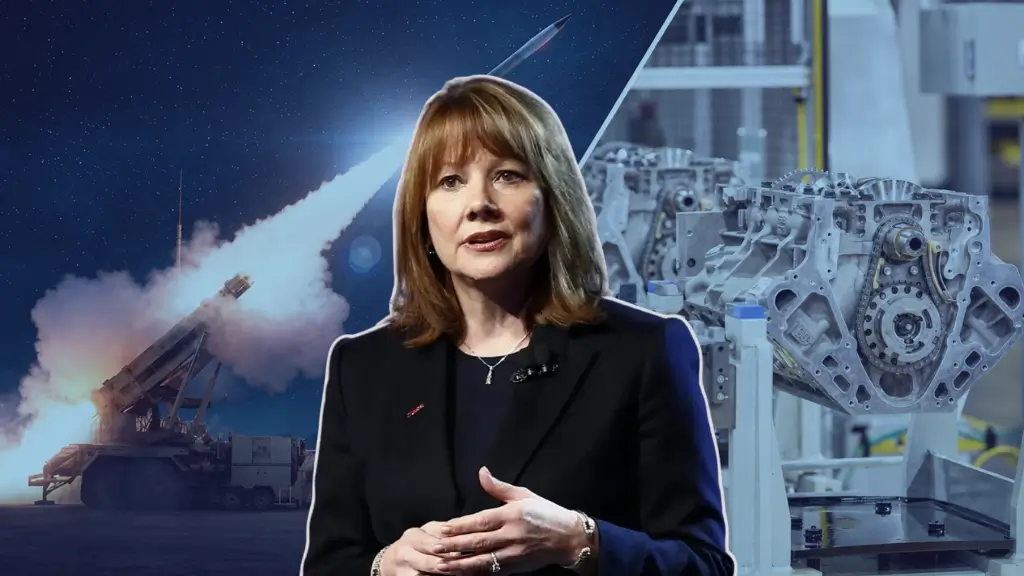
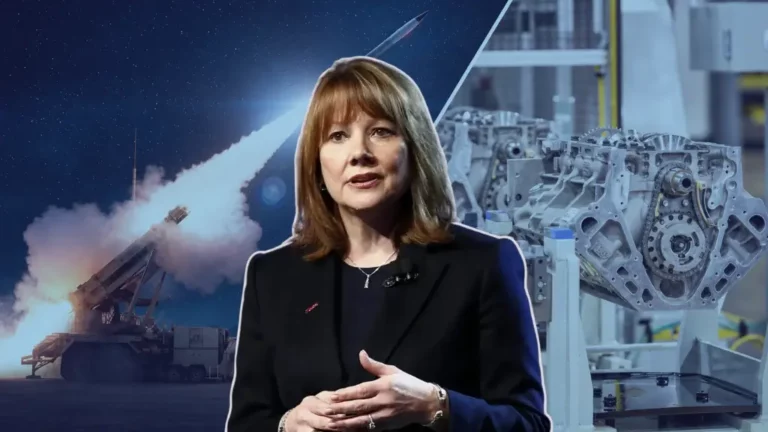
GM, Ford pursue defense contracts as military demand fuels manufacturing growth

GM, Ford pursue defense contracts as military demand fuels manufacturing growth

- June 19, 2026
On the Dash: GM and Ford are leveraging manufacturing expertise to pursue a growing share of U.S. defense contracts. Defense-related business offers automakers a less cyclical revenue stream outside traditional...
JLR targets U.S. growth with multi-energy strategy and $24B investment plan

JLR targets U.S. growth with multi-energy strategy and $24B investment plan

- June 19, 2026
On the Dash: JLR is prioritizing North America growth, aiming for double-digit revenue gains driven by expanded Land Rover offerings. The automaker is adopting a multi-energy strategy, offering mild-hybrid, hybrid,...
Used-vehicle wholesale prices rise mid-June

Used-vehicle wholesale prices rise mid-June, EVs lead the way

- June 19, 2026
On the Dash: The Manheim index rose 0.6% to 213.9 in the first half of June. The EV Index climbed 13.7% year over year, far outpacing the 2.1% Non-EV gain. ...
Waymo Recalls Nearly 3,900 Robotaxis After Vehicles Entered Active Construction Zones

Waymo recalls nearly 3,900 robotaxis after vehicles entered active construction zones

- June 19, 2026
On the Dash: Waymo is recalling potentially 3,871 robotaxis equipped with fifth-generation automated driving systems. The recall follows incidents in which vehicles entered active freeway construction zones in Arizona and California. ...