On the Dash:
- Bill Ford says the U.S. can’t rely on tariffs to keep Chinese automakers out forever.
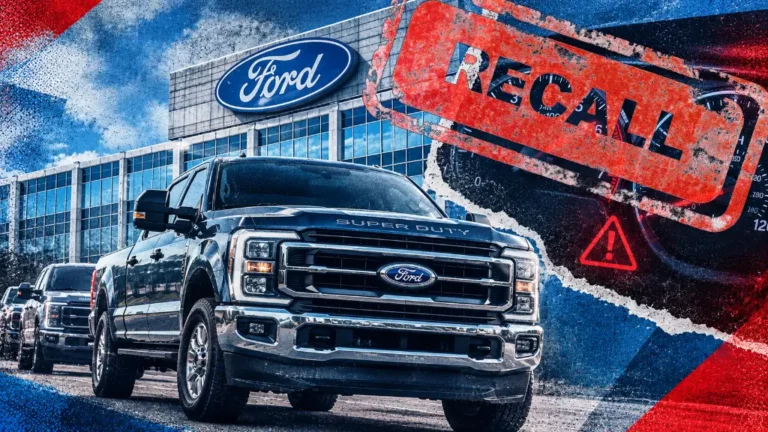
- Ford Motor backs a bipartisan bill aimed at banning Chinese vehicles from the U.S. market.
- Ford is building a $30,000 electric pickup in Kentucky to compete with low-cost Chinese EVs.
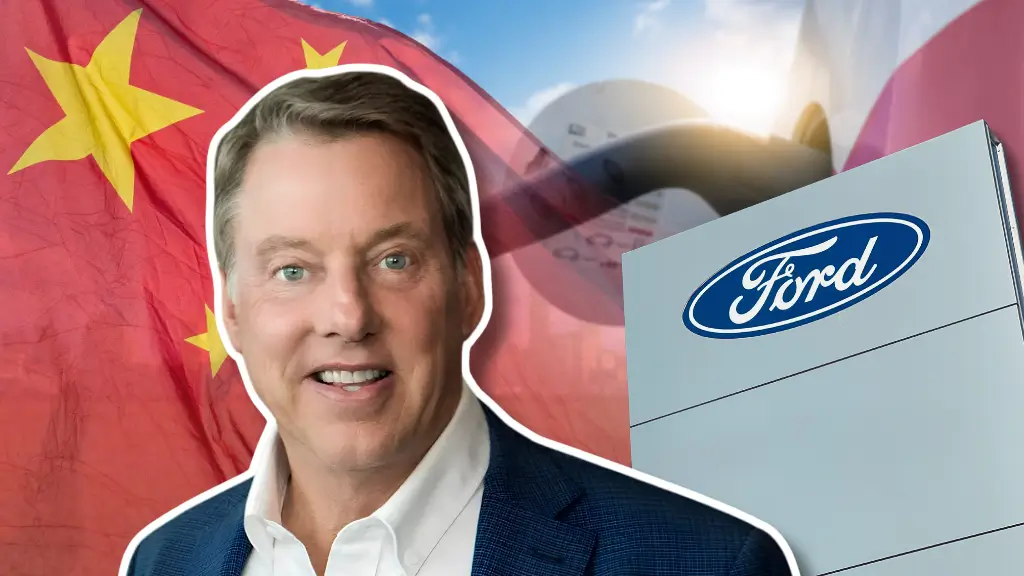
Ford Executive Chairman Bill Ford said the U.S. auto industry has to prepare for Chinese automakers eventually breaking into the American market, even as his company backs legislation aimed at keeping them out. Ford made the comments Tuesday at an Axios House D.C. event, in an interview with Axios Co-Founder Mike Allen.
“We have to go toe to toe with China, we can’t expect to keep them out forever, and we have to be able to beat them at their own game,” Ford said.
Bill Ford pointed to Europe as a warning sign, saying Chinese automakers have taken the continent “by storm” with help from heavy government subsidies. He argued Ford has an advantage over newer rivals because of its scale and history, noting the company is one of the few Western automakers that turns a profit in China.
However, a bipartisan bill that would effectively ban Chinese vehicles from the U.S. is moving through Congress, in which the automaker has publicly backed the legislation.
Notably, Chinese automakers are gaining ground elsewhere, as BYD and Geely have expanded their global footprint, and Chinese EV and hybrid exports more than doubled in June to about 877,000 units, according to the China Passenger Car Association, the Journal reported.
Current U.S. restrictions have already forced one Chinese-linked brand out. Polestar, controlled by Geely, said last month it would stop selling cars in America after the Commerce Department denied its request to continue operating under a rule banning Chinese connected-vehicle software. Meanwhile, Geely’s other brand, Volvo, received Commerce Department authorization in May to keep selling in the U.S.
Ultimately, Ford Motor’s response includes a new $30,000 electric pickup built in Kentucky, using a manufacturing process the company calls an “assembly tree.” The truck is set to go on sale in 2027 and is designed to compete directly with low-cost Chinese EVs on price.