On the Dash:
- Volkswagen doubles its previously announced job cuts to about 100,000 positions worldwide and plans to cut model-lineup complexity by roughly 75% by 2035.
- Four German plants, Emden, Zwickau, Hanover and Audi’s Neckarsulm site, lack guaranteed production once current models run out between 2031 and 2034, though Volkswagen has not announced any closures.
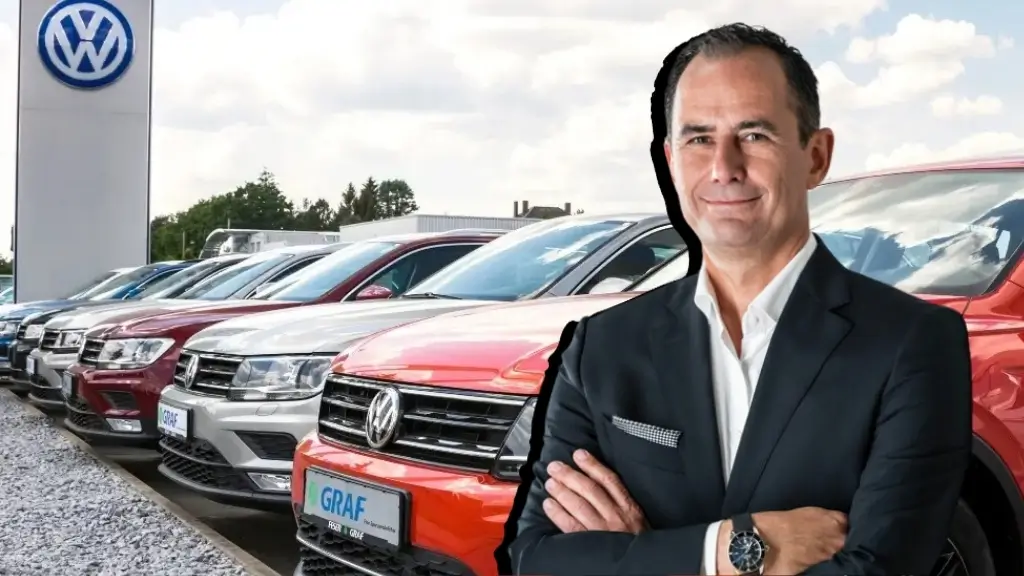
- Dealers can expect a more concentrated lineup with fewer variants, which Volkswagen says should simplify inventory planning and sharpen focus on core nameplates.
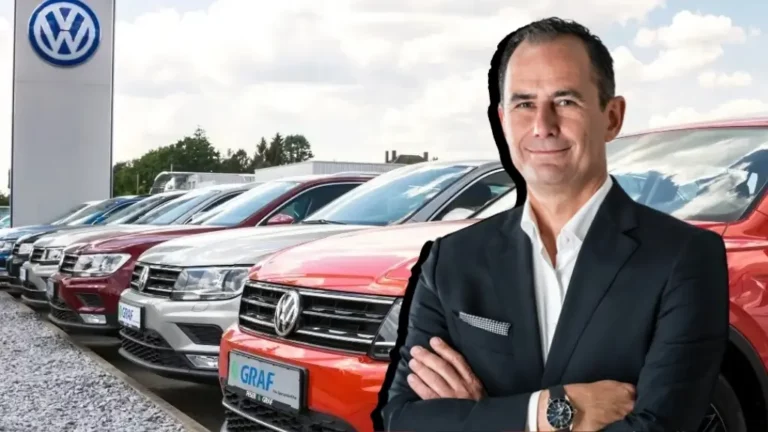
On Thursday, Volkswagen’s supervisory board unanimously approved the automaker’s Future Plan 2030, roughly two months after rejecting an earlier version of the overhaul. The approved plan doubles Volkswagen’s previously announced job cuts to about 100,000 positions worldwide and calls for the automaker to shrink its model lineup by around 50% while cutting vehicle-variant complexity by around 75%, both by 2035. The automaker frames the overhaul as a response to intensifying global competition, shifting consumer demand and rising costs, particularly from fast-growing Chinese automakers.
Previously, Volkswagen’s supervisory board initially rejected a version of the restructuring plan in July, when labor representatives and the state of Lower Saxony voted against a proposal that included up to 100,000 job cuts and the closure of four German plants. The rejection led to months of negotiations among management, union representatives and state shareholders before the board reached Thursday’s unanimous vote.
Following months of internal conflict
IG Metall President Christiane Benner, who also serves as Deputy Chair of the supervisory board, said in a statement, “In this crisis situation, we fought hard for good solutions.” The agreement marks a notable alignment between management and labor for a restructuring of this scale. Meanwhile, Volkswagen expects a smaller, simplified portfolio to boost production volumes per model, lower costs, and allow the company to concentrate its technology investments on higher-value products.
For dealers, a more streamlined lineup could simplify inventory planning while shifting more attention to the performance of core nameplates.
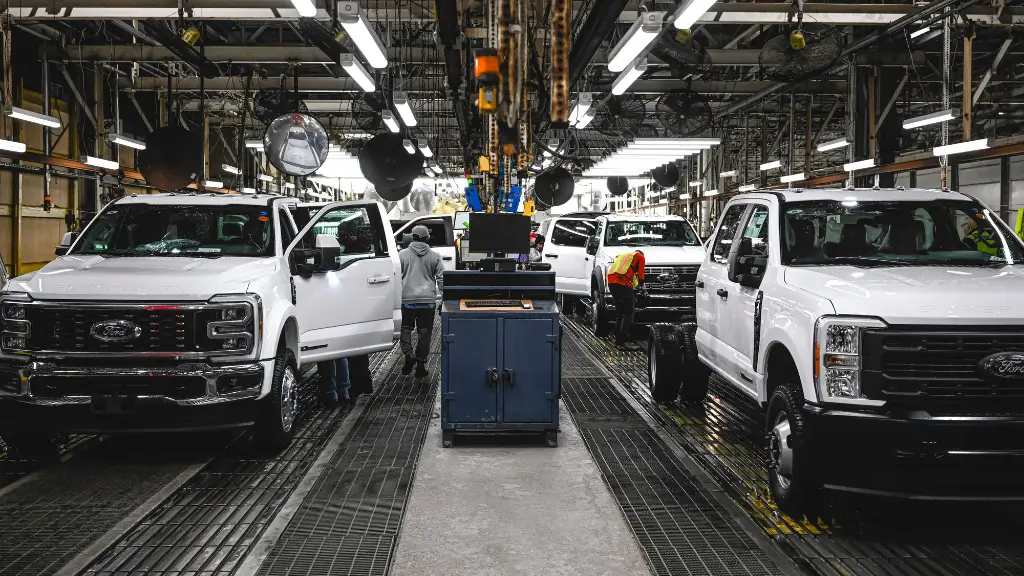
Volkswagen said its European plants are producing more than 500,000 vehicles a year beyond current demand. Four German plants, Emden, Zwickau, Hanover and Audi’s Neckarsulm site, currently lack guaranteed production once their existing vehicle allocations end at staggered points between 2031 and 2034. The company has not announced any plant closures and plans to develop a competitive production strategy for those facilities by the end of June 2027.
Chinese competition accelerates
Chinese automakers continue to gain market share both in China and increasingly in Europe, adding pressure on Volkswagen to cut costs and stay competitive in its core European market. The restructuring aims to make production more efficient while directing more investment toward higher-end technology, according to the company.
Notably, U.S. tariffs took a 1.3 billion-euro toll on Volkswagen’s income in the first half of 2025 alone, adding further pressure on profits even as the U.S. remains an important global market where VW has struggled to gain mainstream traction. Under the new plan, VW will focus its North American business on its most profitable segments, a shift that could put more emphasis on higher-margin vehicles for both the automaker and its dealers. In China, the automaker is adjusting to slower overall market growth and plans to expand exports to “Global South” markets.
Together, the changes point toward Future Plan 2030’s central goal of fewer products, lower costs and greater volume per model.