TSLA435.790-6.31%
GM83.240-1.11%
F17.4400.79%
RIVN16.3001.1%
CYD56.7200.39%
HMC26.990-0.3%
TM189.950-1.89%
CVNA73.000-0.49%
PAG167.370-0.8%
LAD290.890-4.73%
AN187.720-6.02%
GPI316.340-10.09999%
ABG187.710-7.04%
SAH82.620-1.12%
TSLA435.790-6.31%
GM83.240-1.11%
F17.4400.79%
RIVN16.3001.1%
CYD56.7200.39%
HMC26.990-0.3%
TM189.950-1.89%
CVNA73.000-0.49%
PAG167.370-0.8%
LAD290.890-4.73%
AN187.720-6.02%
GPI316.340-10.09999%
ABG187.710-7.04%
SAH82.620-1.12%
TSLA435.790-6.31%
GM83.240-1.11%
F17.4400.79%
RIVN16.3001.1%
CYD56.7200.39%
HMC26.990-0.3%
TM189.950-1.89%
CVNA73.000-0.49%
PAG167.370-0.8%
LAD290.890-4.73%
AN187.720-6.02%
GPI316.340-10.09999%
ABG187.710-7.04%
SAH82.620-1.12%

U.S. Senators propose sweeping ban on Chinese connected vehicles 

The bitartisam bill targets imports, software, and hardware tied to China and other adversary nations. 

U.S. Senators propose sweeping ban on Chinese connected vehicles 

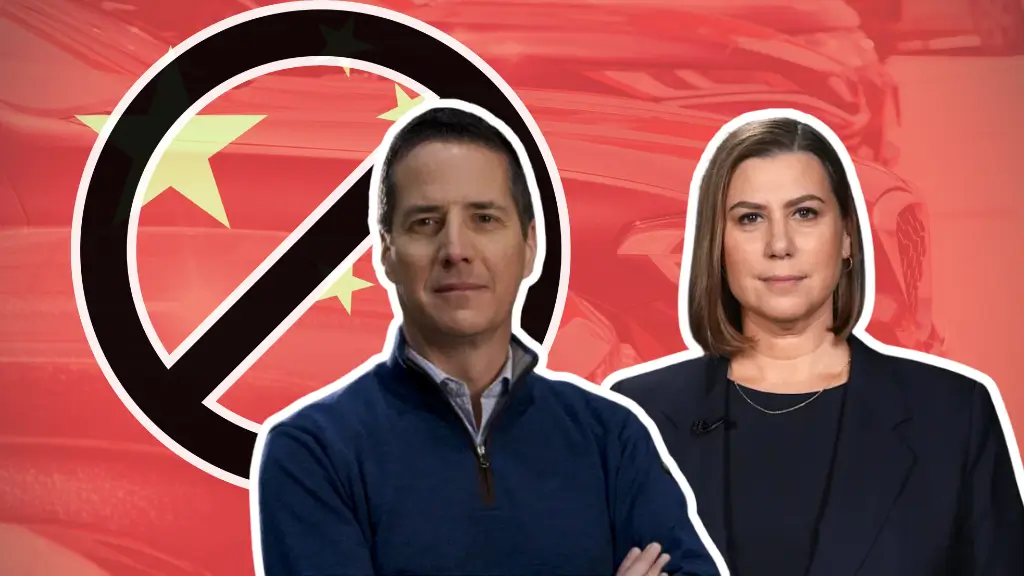
Sens. Bernie Moreno, R-Ohio, and Elissa Slotkin, D-Mich.

On the Dash:

  • The proposed restrictions could tighten future inventory channels and limit the availability of certain global vehicle platforms.
  • OEMs and Tier-1 suppliers need to begin reevaluating their sourcing and partnerships, as compliance timelines leave little room for last-minute substitutions and temporary waivers are not guaranteed.
  • A phased timeline gives dealers and automakers a runway to adjust sourcing and compliance strategies.

Sens. Bernie Moreno, R-Ohio, and Elissa Slotkin, D-Mich., introduced the Connected Vehicle Security Act of 2026, a bipartisan proposal that would ban Chinese and other foreign-adversary vehicles and connected technologies from U.S. roads.

The legislation would prohibit the import, sale and operation of vehicles manufactured in China or other countries of concern. It would also block the use of connected vehicle software, data systems and hardware developed or linked to those nations, including products tied to joint ventures or affiliated entities. 

Sign up for CBT News’ daily newsletter and get the latest industry stories delivered straight to your inbox.

The Department of Commerce would gain authority to identify and block high-risk technologies and enforce compliance.

Moreno called the legislation a necessary defense against “predatory and massively subsidized Chinese state enterprises,” while Slotkin described Chinese vehicles as “surveillance packages on wheels” capable of collecting data on American citizens and sensitive sites. 

Both senators framed the bill as protecting not only national security but also the economic footing of domestic automakers and their workers.

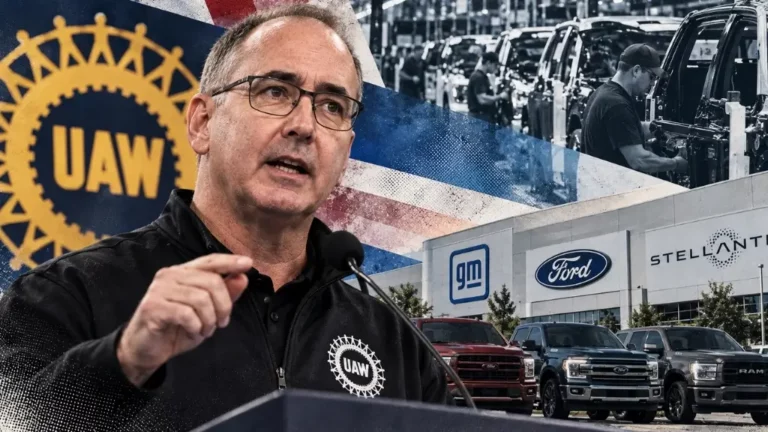
Industry and labor groups moved quickly to back the proposal. For instance, UAW President Shawn Fain said the legislation builds on existing connected vehicle rules and puts “common sense guardrails” on a threat to the nation’s auto industry. 

Meanwhile, General Motors said it supports policies that protect American manufacturing and ensure a level competitive playing field. The CAR Coalition endorsed the measure, citing the need for a secure automotive supply chain free of foreign-adversary connections.

The bill outlines a phased implementation timeline aligned with the Bureau of Industry and Security’s existing rules. Restrictions on vehicles and software take effect in 2027, with hardware restrictions following in 2030.

If enacted, the proposal would mark a significant shift in U.S. automotive trade and technology policy, requiring automakers and dealers to adjust sourcing strategies and ensure compliance with new restrictions.
More from EVs & Technology
Stellantis Pro One targets 30% growth with commercial vehicle and services expansion

Stellantis Pro One targets 30% growth with commercial vehicle and services expansion

- May 29, 2026
On the Dash: Stellantis Pro One plans 11 new commercial vehicle launches by 2030, including new van platforms and expanded pickup offerings. The company is shifting beyond vehicle sales into...
Toyota halts next-generation Lexus EV amid slowing demand

Toyota halts next-gen Lexus EV amid slowing demand

- May 29, 2026
On the Dash: Toyota’s pause signals growing caution among automakers toward aggressive EV rollout timelines. Uncertainty in luxury EV demand could affect future inventory planning and consumer adoption expectations. Toyota...
North Carolina sues VinFast over delayed EV plant project

North Carolina sues VinFast over delayed EV plant project

- May 28, 2026
On the Dash: North Carolina’s lawsuit highlights the growing financial and political scrutiny of large-scale EV investments and incentive packages. Automakers continue reassessing EV spending as weaker demand and changing...
Ferrari launches Luce, a $640,000 five-seat EV

Ferrari launches Luce, its first-ever EV

- May 26, 2026
On the Dash: Ferrari enters the EV market with a $640,000 five-seat performance sedan due in Q4 2026. The launch contrasts with Porsche and Lamborghini, which have both scaled back...