On the Dash:
- Volkswagen is putting greater focus on U.S. sales and profitability as weakness in China and Europe adds pressure.
- Dealers face a shifting product strategy, including the upcoming Atlas redesign, delayed hybrids and a potential U.S.-built pickup.
- Leadership turnover and Scout’s direct-sales plans add uncertainty for VW and Audi dealers as the automaker reshapes its U.S. operations.
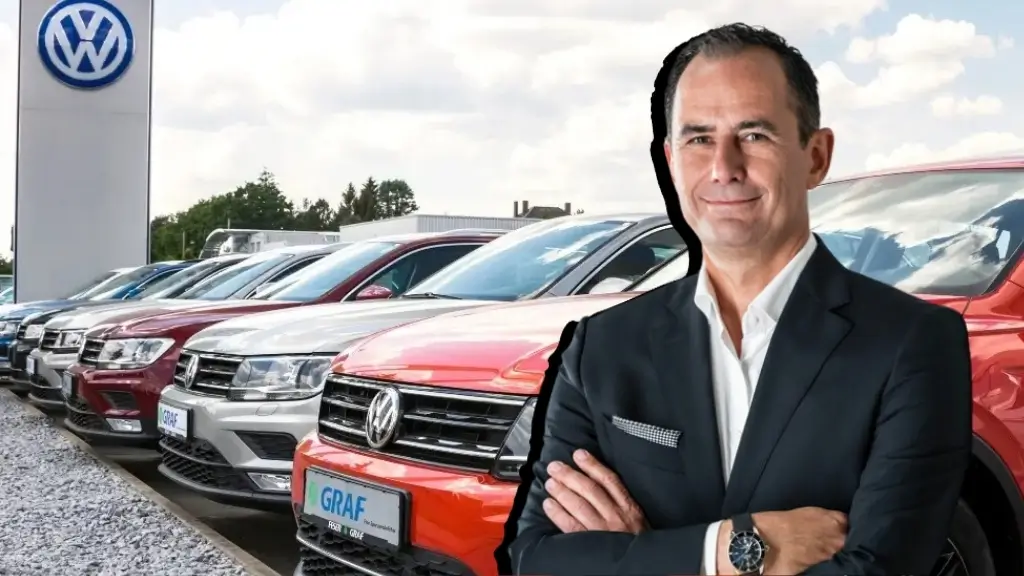
Volkswagen has appointed Marco Schubert as the new North American leader for VW Group, replacing Kjell Gruner on Oct. 1. In this role, Schubert will oversee the group’s North American operations and report directly to CEO Oliver Blume. The appointment is part of VW’s strategy to regain momentum in a key market, especially as the company faces challenges in both China and Europe while trying to expand in the U.S.
U.S. tariffs weigh heavily on VW’s strategy, since the company imports vehicles from Mexico and other markets. VW expects the duties to cost the company €5 billion (about $5.6-5.8 billion) annually, and cited a €5 billion hit again in its Q3 report. Additionally, VW has struggled to increase its market share in the U.S., aiming for a 10% target the group has pursued at various points but never reached, according to a Reuters/MarketScreener report. Notably, VW brand sales rose 2.3% in the first half of 2026, totaling 162,961 units, driven largely by a 24.9% jump in the second quarter.
The redesigned 2027 Atlas will debut in October, followed closely by the redesigned Atlas Cross Sport. However, incorporating higher-grade components will increase the new Atlas’s costs, which may affect per-vehicle profitability. Although VW still lacks traditional hybrid models in the U.S., a gap that has frustrated many dealers, weak demand for EVs has also pushed VW to end ID.4 production in Chattanooga in April and skip the ID. Buzz for the 2026 model year. On a brighter note, VW is reportedly developing a new pickup truck for the U.S. market, with a target launch before the end of the decade and built domestically. This addition would position VW in one of the industry’s most profitable segments and align its lineup more closely with U.S. consumer demand.
Audi sales
Prior to this appointment, Schubert served as Audi’s global sales chief, a brand that is currently working to rebuild its presence in the U.S. Audi’s U.S. sales fell 14% in 2024 and another 16% in 2025, however, Audi is banking on redesigned models and its new three-row Q9 crossover, which starts at $89,095, to support its recovery.
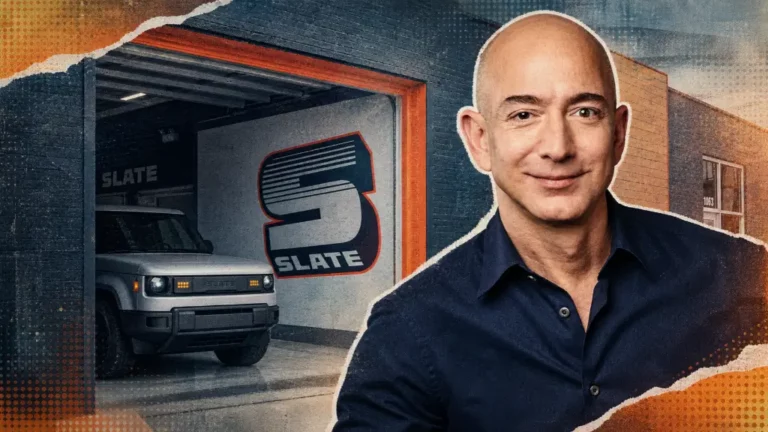
Dealer tensions remain a significant challenge, particularly due to Scout Motors’ plan to sell directly to consumers. VW and Audi dealers have opposed this strategy, filing lawsuits against the company in Virginia, Colorado, Florida and California. This direct-sales dispute adds another layer of complexity as VW aims to improve its dealer relationships. Schubert’s new role will require him to balance the group’s broader transformation with franchise dealers’ concerns.