On the Dash:
- EV production volatility is directly affecting supply chain employment and factory output decisions.
- Incentive-driven demand shifts are forcing automakers to adjust production more quickly than long-term EV plans anticipated.
- Battery manufacturing flexibility, including shifting to energy storage, is becoming a key operational strategy.
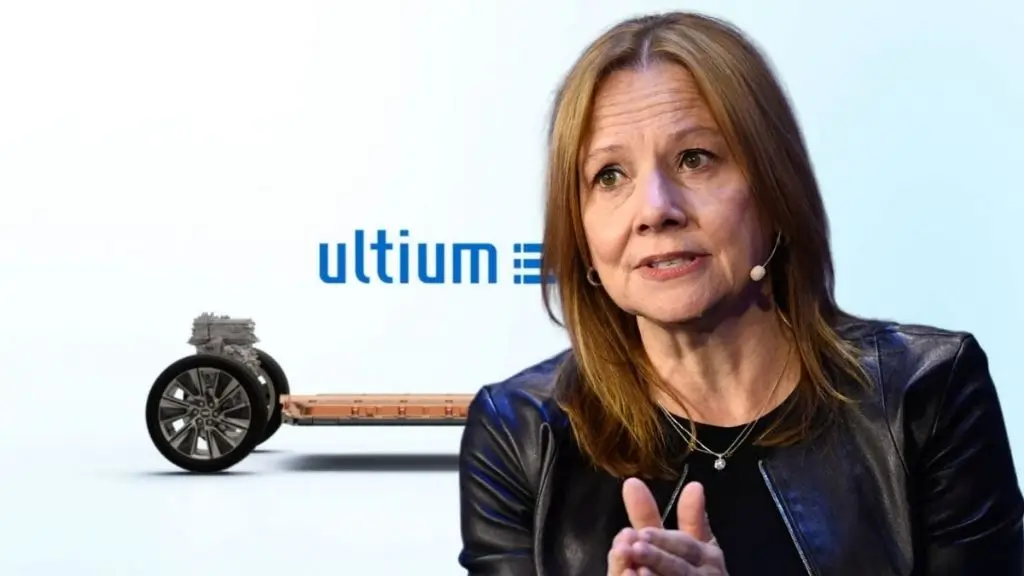
General Motors’ joint battery venture with LG Energy Solution is recalling a small number of workers to its idled EV battery plant in Ohio as it prepares for a partial restart.
Although the timeline for bringing back hundreds of laid-off employees remains uncertain due to weaker EV demand.
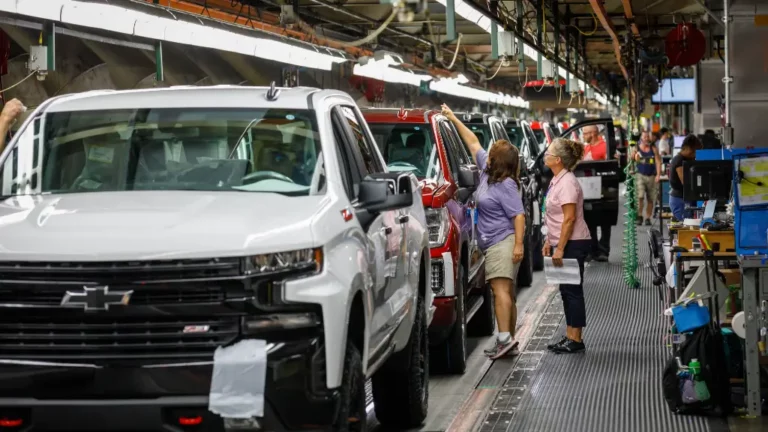
Ultium Cells, the GM-LG Energy Solution joint venture, plans to bring back a limited number of workers to its Warren, Ohio, battery plant in late May. The facility was shut down for six months, starting in January, due to lower-than-expected EV demand. This initial shutdown affected approximately 1,330 workers at the site, with around 480 laid off indefinitely and about 850 expected to return in June.
Although Ultium Cells has not confirmed a full restart schedule for the Ohio plant, the company indicated that returning workers will later this year perform tasks related to preparing for future operations. Broader production will depend on demand in the EV market.
Following the expiration of the $7,500 federal tax credit in late September, GM and other automakers have slowed down EV production. While they continue to produce EVs, output has been reduced to align with decreasing consumer demand.
Previously, Ultium and LG recalled workers from a Tennessee plant to support battery cell production for energy storage systems rather than EVs. Local reports suggest that company officials expect demand conditions to improve by the third quarter.