On the Dash:
- Ford is expanding its business model beyond vehicle sales into long-term energy infrastructure and commercial services.
- The move could strengthen Ford’s domestic battery manufacturing footprint and supply chain investments tied to EV production.
- Dealers may see broader brand positioning around energy, technology, and sustainability as Ford diversifies revenue streams.
Ford officially launched Ford Energy, marking the automaker’s expansion into large-scale battery energy storage systems for utilities, data centers, and industrial customers across the United States.
The new business will operate as a wholly owned subsidiary of Ford Motor Company and focus on manufacturing U.S.-assembled battery energy storage systems (BESS). Ford said it spent the past year building supply chains, preparing manufacturing operations, and aligning technology to support growing domestic demand for energy storage.
The company plans to deploy at least 20 gigawatt-hours annually, with first customer deliveries expected in late 2027.
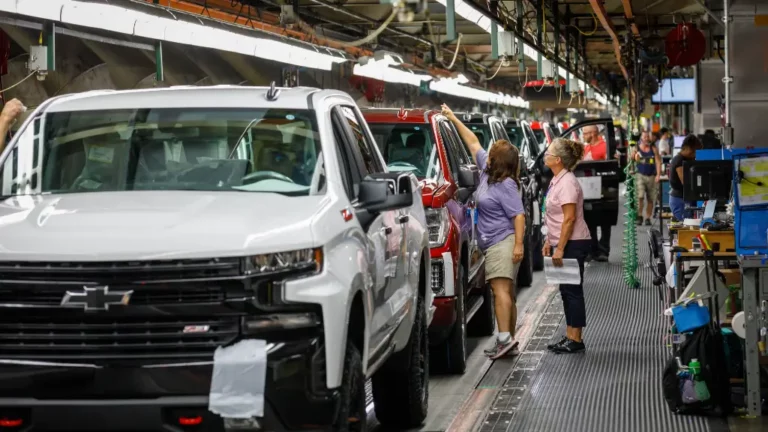
Ford Energy’s operations will include battery cell manufacturing, electrode coil production, module and container assembly, and sales and service support.
Ford also introduced its flagship product, the Ford Energy DC block, a standardized 20-foot containerized energy storage system built around 512 Ah lithium iron phosphate prismatic battery cells. The company will offer two versions: the FE-250 two-hour system and the FE-450 four-hour system.
According to the automaker, both systems integrate liquid-cooled thermal management technology and advanced battery management systems designed to support long-term performance, thermal stability, and easier serviceability over a projected 20-year lifespan.
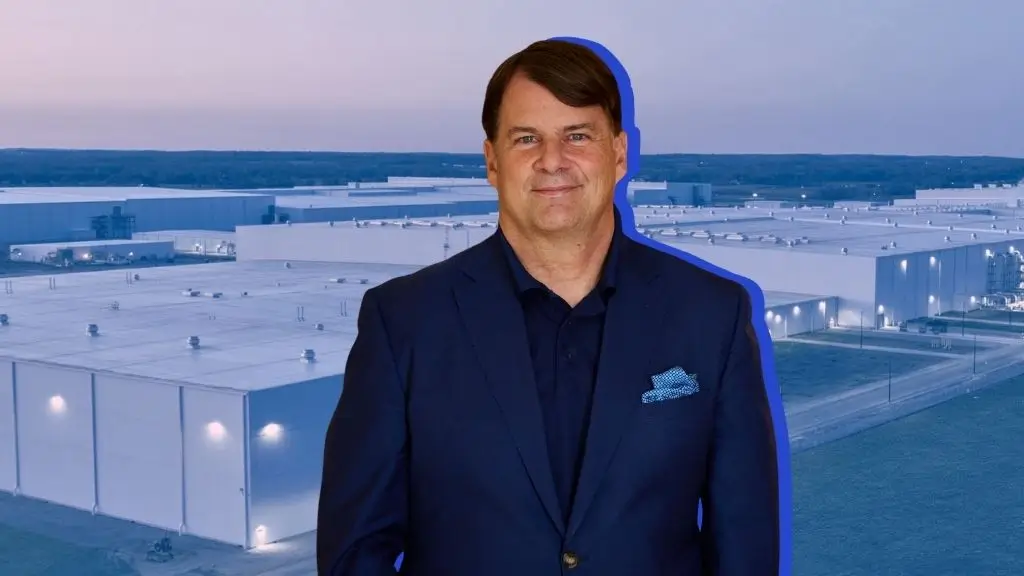
To support production, Ford plans to repurpose existing battery manufacturing capacity in Glendale, Kentucky, for the growing battery storage market.
The automaker said its manufacturing and supply chain strategy aligns with evolving domestic content requirements and Investment Tax Credit standards tied to grid-scale energy storage projects.
The launch follows Ford’s previously announced plans to invest roughly $2 billion into the business as the company prepares manufacturing operations ahead of planned deliveries in 2027.