On the Dash:
- Ford continues expanding partnerships to reduce EV development costs and accelerate global competitiveness
- Multi-energy vehicle production signals continued industry focus on hybrid flexibility over all-EV strategies
- Global platform sharing could influence future product sourcing, pricing, and inventory strategies
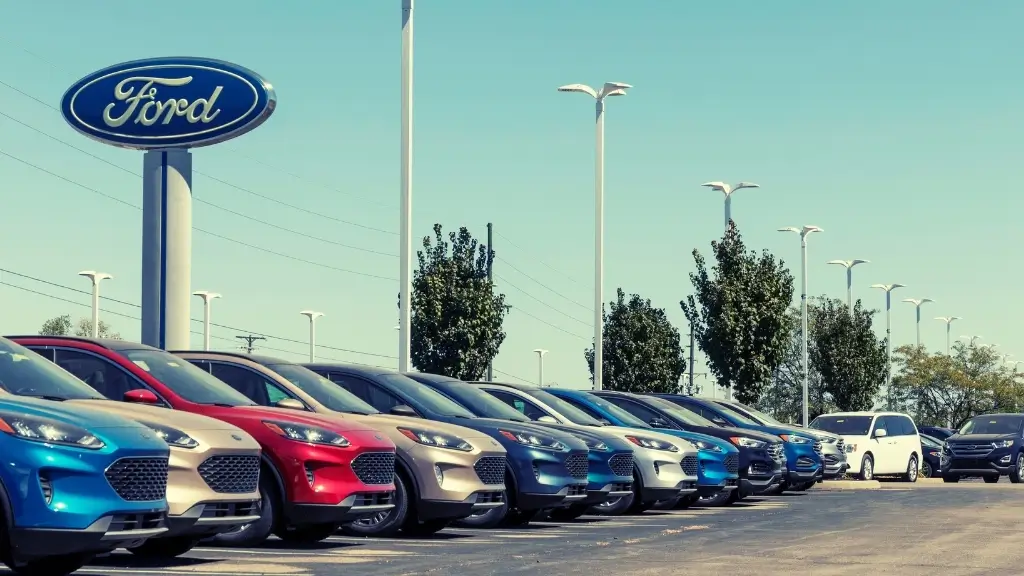
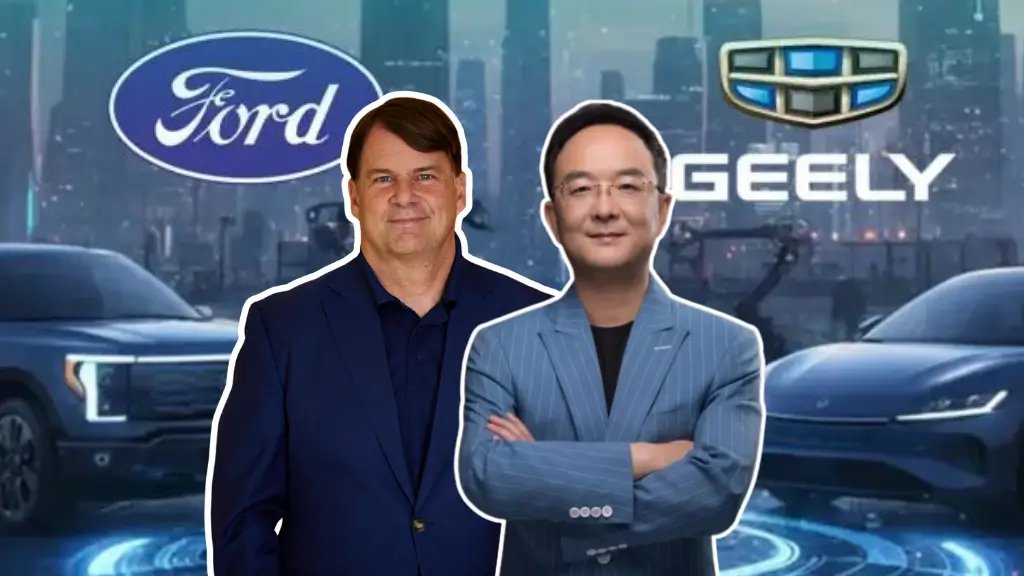
Ford is reportedly nearing a deal with Geely that would expand the Chinese automaker’s presence at Ford’s Valencia Assembly plant in Spain, signaling a broader shift in Ford’s global strategy as it works to compete more directly with Chinese automakers.
According to La Tribuna de Automoción, Ford has agreed to sell the Body 3 assembly facility within the Valencia complex to Geely. The facility has remained dormant since Ford ended production of the Mondeo, S-Max and Galaxy in 2022. Under the proposed agreement, Geely would use the site to build vehicles based on its Global Intelligent New Energy Architecture platform, which supports hybrid, plug-in hybrid and fully electric powertrains.
The deal could also allow Geely to produce a Ford-branded variant of the vehicle lineup, further deepening collaboration between the two automakers.
Ford currently uses the Valencia plant’s Body 1 and Body 2 facilities to produce the Kuga. The next-generation Kuga is still expected to remain in production at the site.
The reported agreement also raises questions about Ford’s previously planned Bronco plug-in hybrid program for Valencia. Ford had expected to launch the model next year, though ongoing discussions with Geely since 2025 suggest the automaker may have already been reevaluating the plant’s future role.
The potential Geely partnership would mark Ford’s latest effort to expand strategic alliances in Europe. In 2020, Ford entered a broad vehicle-development partnership with Volkswagen and now builds the VW-based Ford Capri and Explorer at its own facilities. Ford also finalized an agreement to produce EVs with Renault in late 2025.
Ford’s evolving strategy reflects growing pressure on legacy automakers to compete with lower-cost Chinese manufacturers while balancing investments across hybrid, plug-in hybrid and EV development.