TSLA411.1504.72%
GM84.0702.57%
F14.790-0.05%
RIVN16.680-0.08%
CYD51.8301.8%
HMC26.9700.53%
TM180.2205.27%
CVNA68.9004.8%
PAG180.070-0.89%
LAD308.520-4.86%
AN193.3901.86%
GPI325.7400.41%
ABG199.5500.02%
SAH83.710-0.9%
TSLA411.1504.72%
GM84.0702.57%
F14.790-0.05%
RIVN16.680-0.08%
CYD51.8301.8%
HMC26.9700.53%
TM180.2205.27%
CVNA68.9004.8%
PAG180.070-0.89%
LAD308.520-4.86%
AN193.3901.86%
GPI325.7400.41%
ABG199.5500.02%
SAH83.710-0.9%
TSLA411.1504.72%
GM84.0702.57%
F14.790-0.05%
RIVN16.680-0.08%
CYD51.8301.8%
HMC26.9700.53%
TM180.2205.27%
CVNA68.9004.8%
PAG180.070-0.89%
LAD308.520-4.86%
AN193.3901.86%
GPI325.7400.41%
ABG199.5500.02%
SAH83.710-0.9%

Toyota halts next-gen Lexus EV amid slowing demand

The automaker paused development of the Lexus LF-ZC amid weakening EV demand and profitability concerns reshaping global electrification strategies.

Toyota halts next-generation Lexus EV amid slowing demand

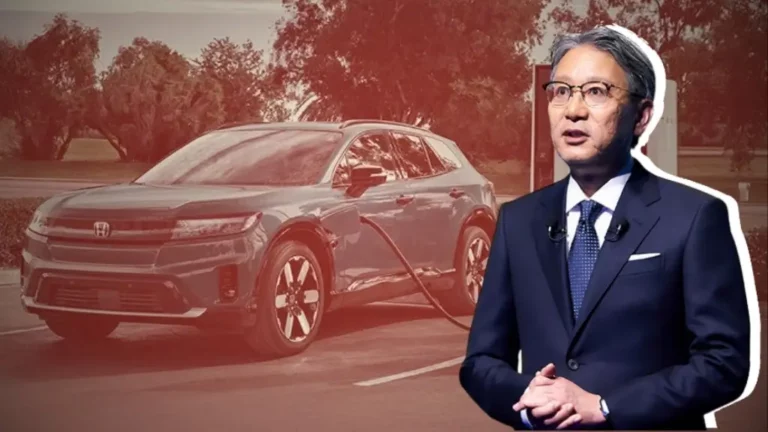
Chief Executive Officer Kenta Kon

On the Dash:

  • Toyota’s pause signals growing caution among automakers toward aggressive EV rollout timelines.
  • Uncertainty in luxury EV demand could affect future inventory planning and consumer adoption expectations.
  • Toyota plans to retain key LF-ZC technologies, including gigacasting and faster-charging battery systems, for future vehicles.

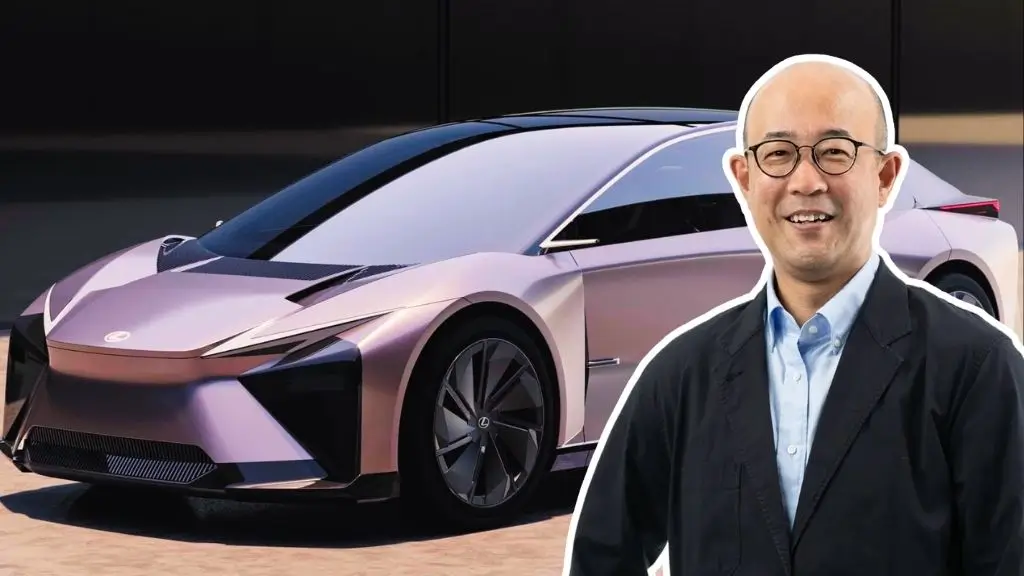
Toyota has halted development of the Lexus LF-ZC, a next-generation electric vehicle originally expected to launch in mid-2027, as the automaker reassesses EV demand, profitability targets, and the impact of the disappearance of U.S. subsidies.

Toyota first unveiled the LF-ZC concept in 2023 and initially planned to introduce the vehicle in 2026 before later reports suggested the launch had shifted to 2027. The model was expected to serve as a technology showcase for Lexus, featuring gigacasting manufacturing processes, lower-cost battery systems, and faster charging capabilities.

Sign up for CBT News’ daily newsletter and get the latest industry stories delivered straight to your inbox.

Despite halting the project, Toyota said it still plans to incorporate several of those technologies into future vehicles. A spokesperson for the Japanese automaker told reporters that innovations tied to the LF-ZC program will remain part of Toyota’s broader product strategy.

The decision highlights how major automakers continue to recalibrate their electrification plans as EV demand growth slows globally and government incentives become less certain. Toyota cited weakening demand and the elimination of U.S. subsidies as key factors behind the move.

Toyota’s latest adjustment also aligns with a broader review of its goal to sell 1.5 million EVs annually by 2026. Chief Executive Officer Kenta Kon has continued to push initiatives to improve profitability as automakers balance electrification investments with shifting market conditions.

The move reflects a growing trend across the automotive industry, in which manufacturers are delaying or scaling back EV programs after years of aggressive expansion. Luxury EV demand, in particular, has become increasingly uncertain as consumers weigh affordability, infrastructure limitations, and resale value.

Toyota’s decision signals a more cautious approach toward EV investment timing, especially in premium segments where adoption rates have not matched earlier expectations.

More from EVs & Technology
Rivian CEO RJ Scaringe backs humanoid robots as next frontier in manufacturing

Rivian CEO RJ Scaringe backs humanoid robots as next frontier in manufacturing

- June 15, 2026
On the Dash: Rivian CEO RJ Scaringe expects humanoid robots to work alongside factory employees within the next few years. Rivian-backed startup Mind Robotics has raised more than $1 billion...
Trust gap continues to slow autonomous vehicle adoption, JD Power finds

Trust gap continues to slow autonomous vehicle adoption, JD Power finds

- June 12, 2026
On the Dash: Consumer awareness of AVs is rising, but trust remains low, limiting near-term demand for autonomous vehicle sales or services. Safety concerns, not technology awareness, remain the biggest...
Autonomous vehicles are moving closer to reality; here's why dealers should pay attention

What GM’s autonomous vehicle strategy could mean for dealers

- June 12, 2026
Welcome back to the latest episode of The Future of Automotive on CBT News, where we put recent automotive and mobility news into the context of the broader themes impacting the industry. I’m...
GM may abandon LFP battery plans as it bets on next-gen EV technology, report says

GM may abandon LFP battery plans, report says

- June 11, 2026
On the Dash: GM is increasing its investment in lithium-manganese-rich (LMR) batteries, which it says can match LFP costs while delivering greater energy density. A shift away from LFP would...