On the Dash:
- Legal action reinforces franchise protections and could set a precedent for direct-to-consumer sales limits
- Outcome may impact how OEMs structure new EV or sub-brands to bypass dealer networks
- Ongoing litigation adds uncertainty for product access and future inventory allocation
According to the California New Car Dealers Association (CNCDA), 14 California Volkswagen dealers filed protests at the California New Motor Vehicle Board on May 1.
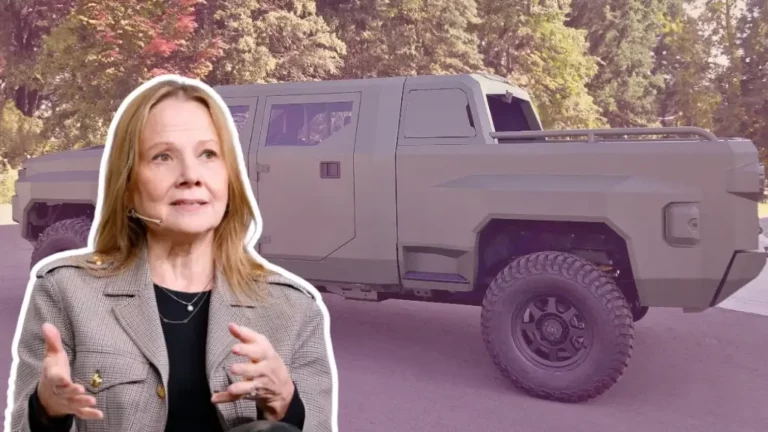
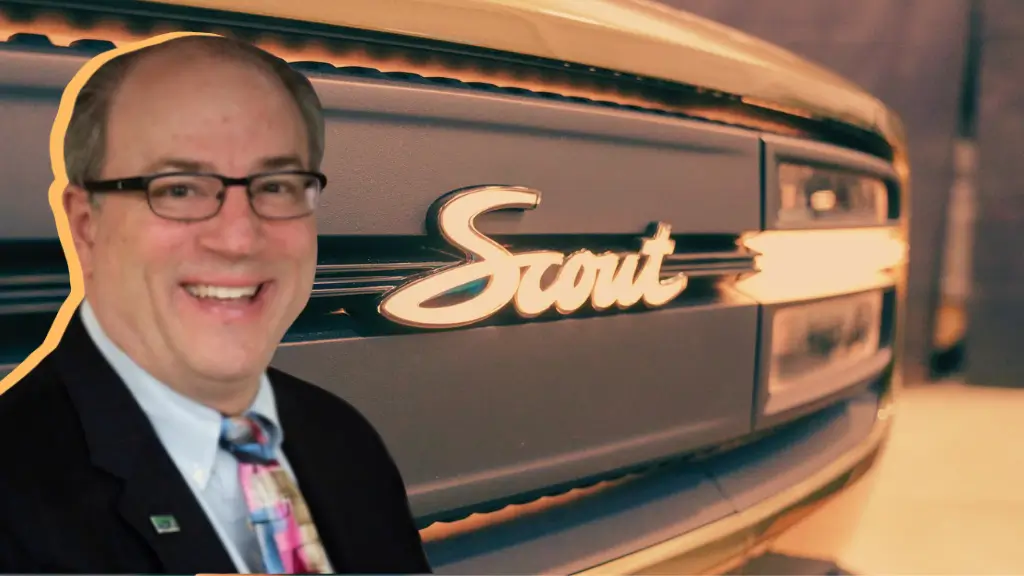
The complaint adds further challenges for VW’s Scout Motors subsidiary in its efforts to sell directly to consumers.
Dealers contend that VW is competing with its own franchise network, citing claims that Scout is not independent due to shared ownership and production facilities. The complaint alleges that the automaker is trying to circumvent California franchise law.
Typically, dealers operate under the rights established by Assembly Bill 473, a California law enacted in 2023. This law prohibits automakers from competing with franchised dealers and was designed to prevent workarounds similar to the Scout structure.
Miles Brandon, President of Capistrano Volkswagen, said: “VW has left us no choice. They are competing against the very dealers who built their business here.”
Protests contribute to an ongoing federal lawsuit filed by the CNCDA. The federal court allows the case to proceed to discovery after denying motions to dismiss. Dealers have opened a second legal front to challenge the direct-sales model.
However, dealer representatives claim that Volkswagen is violating long-standing franchise agreements. Franchisees emphasize their investments in facilities, workforce, and brand development. Industry groups support the protests as a defense of dealer rights and market structure.
Nevertheless, the case could shape how automakers launch new brands and sales models in the U.S., while the decision may influence the broader adoption of direct-to-consumer strategies.