ICYMI: Spring optimism grows for dealers as challenges remain. Massive union breakthrough in the South signals ripple effects for dealers. Ford pushes to block Chinese EVs as it rolls out gas incentives in high-cost states. Tariff refund applications open as dealers and importers seek relief under the CAPE program. Stellantis and Microsoft deepen alliance to supercharge AI and cybersecurity capabilities.
Here’s a closer look at these top stories and more headlines to stay on top of this week’s automotive industry news.
 Spring optimism grows for dealers as challenges remain
Dealer sentiment is improving as the industry enters the spring selling season, according to new data from Cox Automotive, though current market conditions remain below historical norms. The company’s March 2026 insights show a seasonal rebound in dealer confidence, driven by expectations of stronger consumer demand, potential easing in interest rates, and improving inventory levels. However, dealers continue to report ongoing challenges tied to affordability constraints and broader economic uncertainty. Read More
 Massive union breakthrough in the South signals ripple effects for dealers
The United Auto Workers’ successful unionization of Volkswagen’s Chattanooga plant and its organizing efforts at Mercedes-Benz’s Alabama facility signal a shift that extends beyond factory workers and directly impacts franchised dealerships nationwide. These developments could reshape dealership cost structures and operational stability. This wave of union activity creates ripple effects across dealership operations, most notably affecting vehicle supply stability, production costs, and pricing power. These pressures directly influence dealership competitiveness in a tightening market. Read More
Ford pushes to block Chinese EVs as it rolls out gas incentives in high-cost states
Ford is escalating its stance on global competition while adjusting its domestic pricing strategy, as CEO Jim Farley calls for limits on Chinese automakers entering the U.S. market and the company rolls out gas card incentives in select states. Farley said during an appearance on Fox News’ Fox & Friends that Chinese EV manufacturers pose a considerable competitive threat due to lower production costs and government support. Read More
 Tariff refund applications open as dealers and importers seek relief under CAPE program
A newly opened tariff refund process under the CAPE program is allowing automotive businesses to recover costs tied to recent trade policies, potentially easing financial pressure across the industry. The program allows eligible importers to apply for refunds of certain tariffs previously paid, following ongoing legal and policy challenges to their enforcement. Applications officially opened this week, with businesses required to submit documentation demonstrating eligibility and the extent of tariff impact. Read More
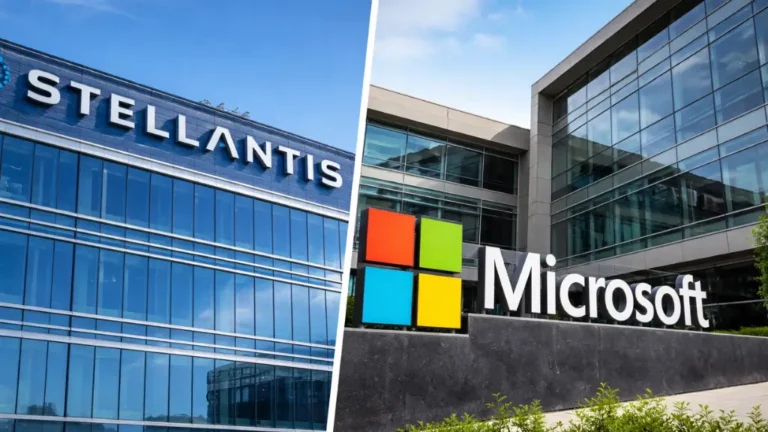 Stellantis, Microsoft deepen alliance to supercharge AI and cybersecurity capabilities
On April 16, Stellantis and Microsoft announced a five-year strategic partnership to co-develop AI, cybersecurity, and engineering capabilities. The collaboration is designed to help Stellantis accelerate its software-driven transformation as competition in automotive technology intensifies. The agreement builds on an existing relationship between Stellantis and Microsoft across connected vehicle platforms and digital services. Read More
Next Week: Exclusive Interviews You Can’t Miss
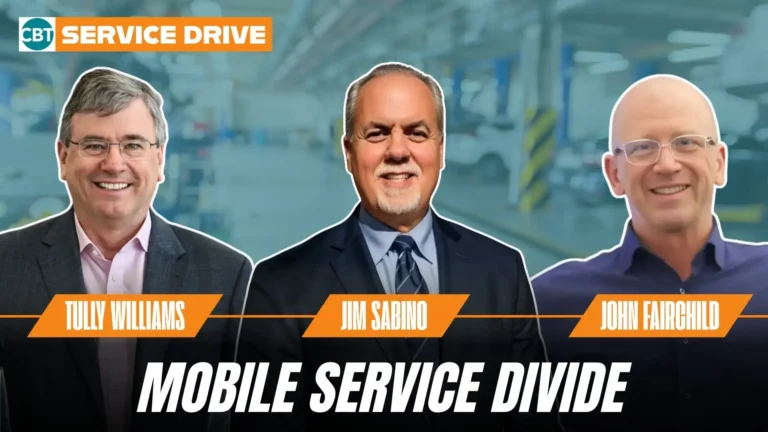 Dealers debate mobile service expansion as OEM support fuels industry change
Mobile service continues to divide dealership fixed operations strategies, with some dealers fully scaling mobile fleets while others rely on pickups and deliveries or traditional service drive models. During the latest Service Drive episode, in a “roundtable” discussion, industry leaders Jim Sabino, Tully Williams, and John Fairchild examine how OEM support, customer preferences, and technician staffing are reshaping the future of service operations.
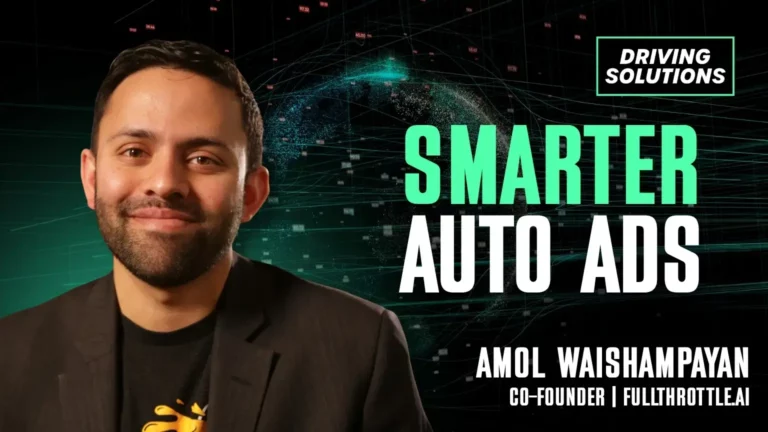 How fullthrottle.ai is improving agency performance with automotive-specific DSPs
As competition intensifies in automotive retail, agencies are rethinking how they approach media buying and client retention. Amol Waishampayan, Co-Founder of fullthrottle.ai, says agencies that move beyond general-purpose demand-side platforms are gaining a measurable advantage by adopting automotive-specific solutions tailored to the industry’s complexities. On today’s episode of Driving Solutions, Waishampayan explains that many agencies still rely on broad platforms such as Google, Amazon, and The Trade Desk.