
On the Dash:
- Tariff refunds could improve short-term cash flow and help offset prior cost increases.
- Dealers should evaluate eligibility tied to imported inventory and parts exposure.
- Ongoing trade policy shifts continue to influence pricing, sourcing, and margin strategies.
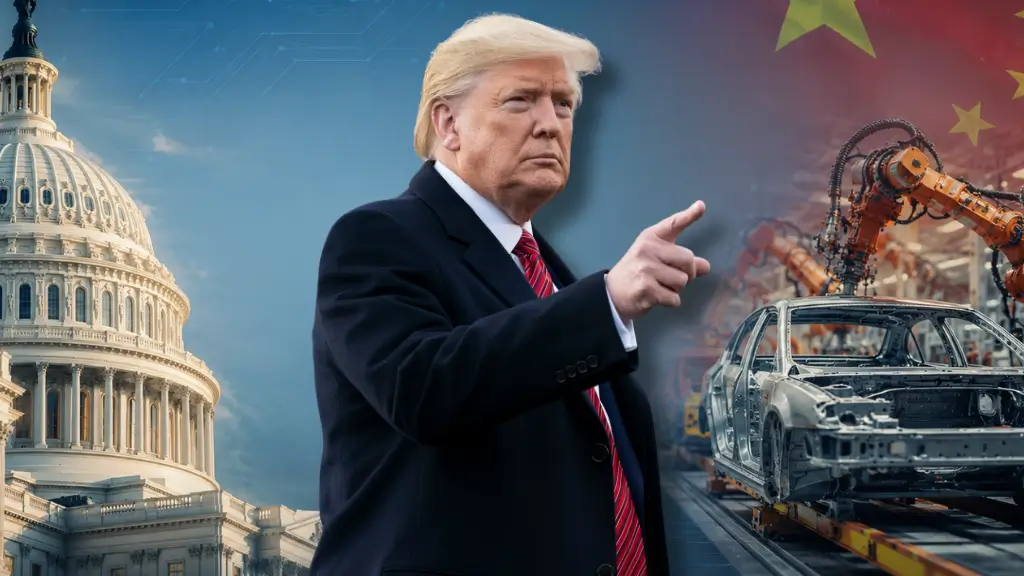
A newly opened tariff refund process under the CAPE program is allowing automotive businesses to recover costs tied to recent trade policies, potentially easing financial pressure across the industry.
The program allows eligible importers to apply for refunds of certain tariffs previously paid, following ongoing legal and policy challenges to their enforcement. Applications officially opened this week, with businesses required to submit documentation demonstrating eligibility and the extent of tariff impact.
For automotive retailers and suppliers, the development could provide a meaningful boost to cash flow. Tariffs in recent years have contributed to rising costs of imported vehicles and parts, placing additional strain on margins already pressured from fluctuating demand and higher operating expenses.
Industry stakeholders have pushed for relief as trade policies disrupted supply chains and increased pricing volatility. The CAPE refund process represents a response to those concerns, offering a pathway for businesses to recoup some of those losses.
The financial implications could extend beyond immediate reimbursement. Dealers and importers may use the recovered funds to reinvest in inventory, offset higher acquisition costs, or stabilize pricing strategies. The program may also influence how businesses approach future sourcing decisions, particularly as global trade conditions remain uncertain.
Despite the opportunity, participation will depend on how quickly and effectively businesses can navigate the application process. Companies must evaluate their eligibility and compile the necessary records, which may require coordination across accounting, legal, and operational teams.
As tariff policies continue to evolve, the refund initiative underscores the ongoing impact of trade regulation on the automotive sector and highlights the importance of adaptability in managing cost pressures.