On the Dash:
- Rising gas prices above $3.10 may reduce demand for trucks and SUVs.
- Inventory and production mix should be monitored if the conflict persists for months.
- Fuel-efficient and hybrid vehicles could capture sales from price-sensitive consumers.
A prolonged conflict with Iran that keeps oil prices elevated could dampen U.S. vehicle sales and hit Detroit automakers, which are heavily reliant on gas-powered trucks and SUVs, experts said.
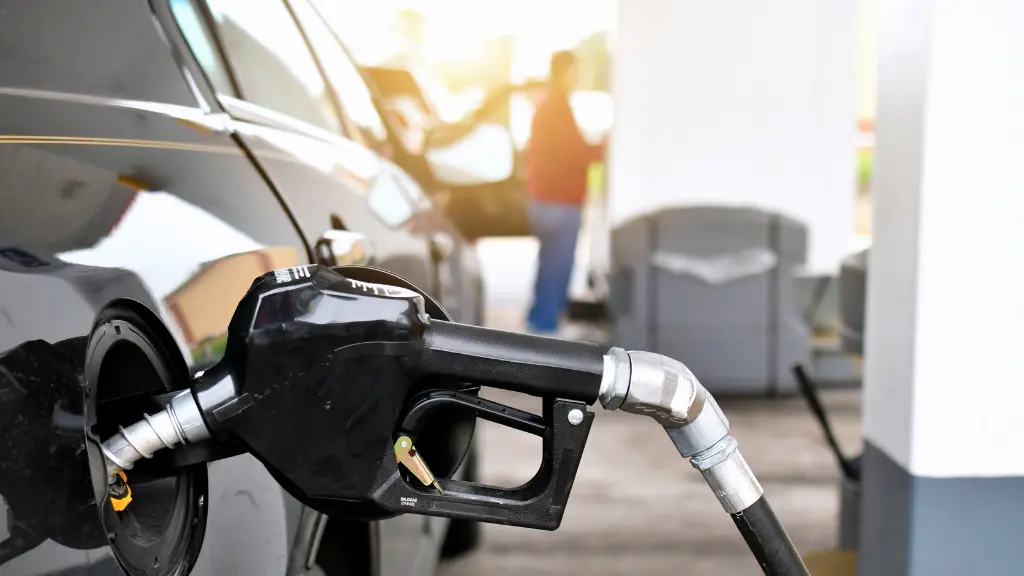
U.S.-Israeli attacks have temporarily limited oil exports from the Persian Gulf, where about 20% of the world’s supply passes through the Strait of Hormuz. Brent crude reached a 19-month high, while the national average for a gallon of regular gasoline stood at roughly $3.10 on Tuesday, up 10 cents from Monday and more than 20 cents higher than a month ago, according to AAA- The Auto Club Group.
Analysts said the conflict would likely need to continue for three or four months before seriously affecting Detroit automakers. Sustained high oil prices could reduce vehicle demand, disrupt supply chains and dampen consumer confidence, though shorter conflicts are unlikely to have a major effect.
Detroit automakers remain vulnerable due to low real-world fuel economy and a continued focus on trucks and SUVs amid relaxed emissions standards. Competitors such as Toyota, Honda, and Hyundai offer a broader range of fuel-efficient options, including EVs and hybrids. However, GM is considered best positioned with the widest EV lineup, while Stellantis could face greater exposure if high gas prices persist.
Historical precedent shows U.S. consumers respond quickly to rising fuel costs. When gas exceeded $4 a gallon in 2008, Americans shifted away from large trucks and SUVs, benefiting foreign manufacturers with smaller, more efficient vehicles. Analysts say even a modest shift in demand could create challenges for Detroit automakers that cannot quickly adjust production.
However, Middle East sales exposure is minor, as the Detroit Three account for only a small share of the 1.8 million regional vehicle sales in 2024, with Ford selling 70,000, GM 62,000, and Stellantis 50,000. In Iran, Ford and GM have not sold cars in years due to sanctions; Stellantis sold roughly 14,000 Peugeots last year.