On the Dash:
- China’s subsidy cuts were the primary factor behind Toyota’s November sales and production declines.
- Regional performance was mixed, with gains in the U.S. and Thailand offset by losses in China, Japan, and Europe.
- Shifting trade and regulatory policies continue to add volatility for global automakers.
Toyota reported that its sales and production fell in November, largely due to China’s decision to discontinue initiatives to boost EV and fuel-efficient vehicle sales.
According to the automaker, global sales declined 1.9% to 905,919 units, including sales from its subsidiaries Daihatsu and Hino. Additionally, global production decreased by 3.4% to 934,001 vehicles.
Sales of the Toyota and Lexus brands in China fell 12% in November, which the company attributed to the expiration of government trade-in subsidy programs in major cities. Similarly, the decrease in sales occurred amid rising diplomatic tensions between China and Japan, including travel warnings issued by Beijing following statements made by Japanese Prime Minister Sanae Takaichi regarding Taiwan.
Production results varied wildly by region, according to Toyota. Specifically, output:
– Rose by 15% in Thailand
– Increased by 9% in the United States
– Decreased by 14% in China
– Dropped by 9.7% in Japan
– Fell by 7.9% in the United Kingdom
These fluctuations reflect uneven global demand and ongoing supply chain pressures.
Toyota’s performance underscores the broader challenges facing global automakers as they navigate trade tensions, shifting regulatory policies, and economic uncertainty. The company is often viewed as a bellwether for the industry, balancing long-term demand with near-term policy and market headwinds.
In Europe, recent regulatory changes may further reshape the competitive landscape. The European Union this month eased its planned phaseout of combustion-engine vehicles, a move that could provide flexibility for legacy automakers but also open the door to increased competition from Chinese EV manufacturers.
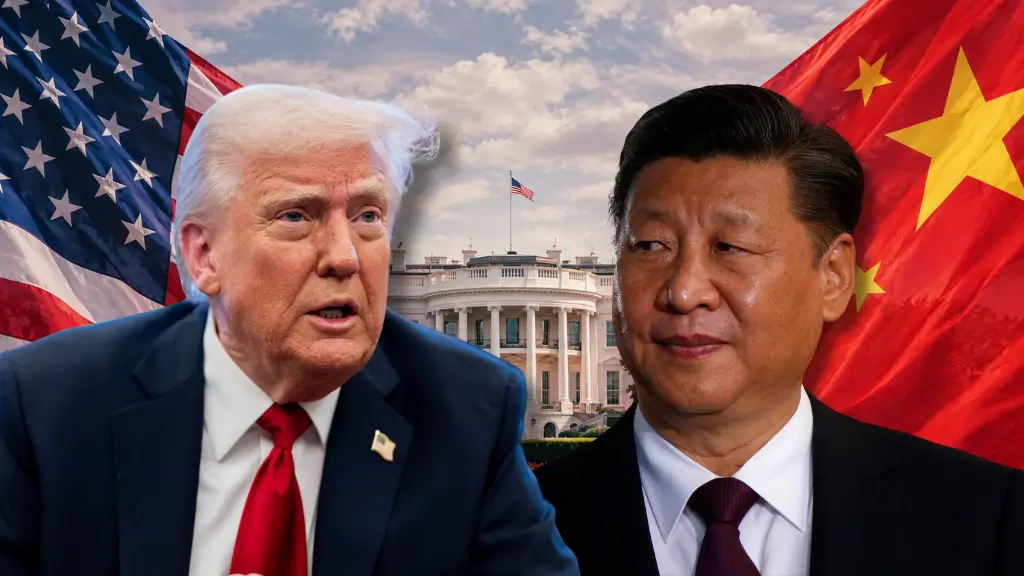
In the United States, Toyota continues to face political pressure over vehicle imports. President Donald Trump has signaled plans to impose steep tariffs on imported vehicles and auto parts, while also calling for Japanese automakers to expand U.S. based production. Earlier this month, Toyota said it plans to ship three models built in the United States back to Japan, a move seen as an effort to align with the administration’s trade priorities.
Other major automakers also reported mixed November results. Honda said global sales fell 15%, including a 34% decline in China, marking its 22nd consecutive monthly drop in that market. Nissan reported a 4.2% decline in global production, though output in China rose 22% following the launch of new EV models, even as overall sales fell 4.9%.