On the Dash:
- A San Francisco power outage caused Waymo robotaxis to stall, prompting the company to pause service and revise its software.
- Waymo will update confirmation protocols and emergency response systems to better handle large-scale disruptions.
- California regulators are reviewing the incident as concerns grow over robotaxi readiness during major emergencies.
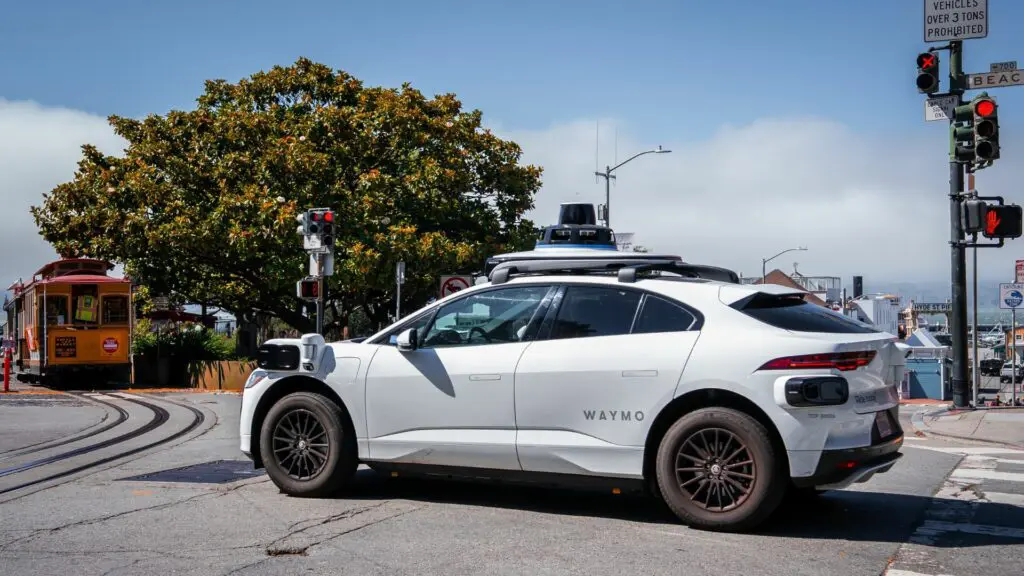
Waymo said it will update its self-driving software and revise emergency response protocols after a widespread power outage in San Francisco caused dozens of its robotaxis to stall and disrupt traffic.
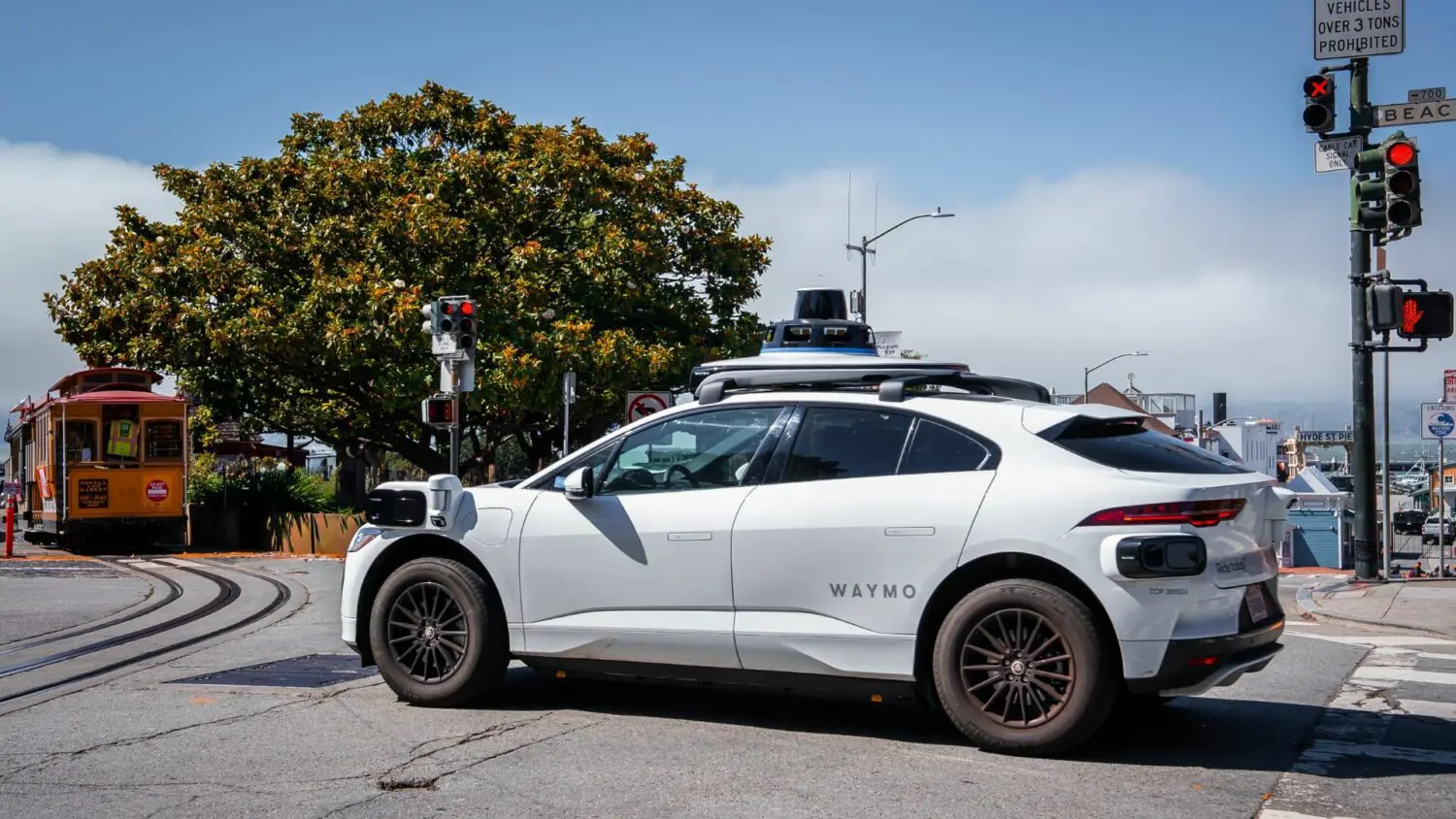
The incident occurred Saturday evening after a fire at a Pacific Gas and Electric substation knocked out electricity across roughly one-third of the city, affecting about 130,000 residents. Traffic lights went dark in several neighborhoods, forcing Waymo to pause service as its autonomous vehicles struggled to navigate intersections.
Videos posted on social media showed Waymo robotaxis stopped at intersections with hazard lights flashing as traffic congestion mounted. While Waymo said its vehicles are designed to treat dark traffic signals as four-way stops, the outage triggered an unusually high number of system requests for human confirmation.
The company said its vehicles successfully passed through more than 7,000 darkened signals during the outage. However, the surge in confirmation requests created delays in fleet response, contributing to congestion on already strained streets.
Waymo said it is now refining confirmation protocols originally designed for early deployment and for updating software across its fleet. The changes will provide vehicles with a specific power outage context, allowing them to operate more decisively during large-scale disruptions. The company also said it will incorporate lessons from the incident to strengthen its emergency response procedures.
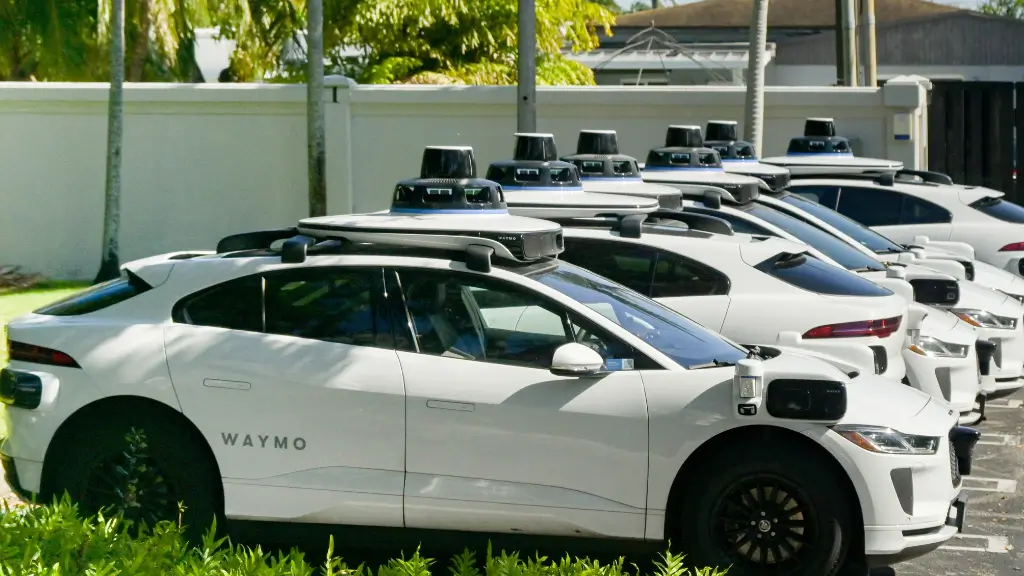
Service in the San Francisco Bay Area resumed Sunday. Waymo operates more than 2,500 vehicles across San Francisco, Los Angeles, Metro Phoenix, Austin, Atlanta and surrounding regions.
Regulators have taken notice. The California Public Utilities Commission said it is reviewing the incident, while the Department of Motor Vehicles confirmed it is discussing emergency response expectations with Waymo and other autonomous vehicle operators. The DMV also said it is developing rules to ensure remote fleet operators meet safety and accountability standards.
The outage has renewed broader concerns about robotaxi readiness during major emergencies such as earthquakes or floods. Industry experts have pointed to the limits of remote human intervention, known as teleoperation, which many autonomous vehicle companies rely on during complex scenarios
Earlier this month, Waymo issued a separate software recall after Texas officials reported its vehicles illegally passed stopped school buses. That issue prompted a federal safety investigation.