
TSLA406.4307.28%
GM81.5000.65%
F14.8400.13%
RIVN16.7601.22%
CYD50.0302.11%
HMC26.440-0.63%
TM174.9500%
CVNA64.100-3.72%
PAG180.960-0.06%
LAD313.3800.72%
AN191.530-2.54%
GPI325.3300.42%
ABG199.5300.05%
SAH84.6100.36%
TSLA406.4307.28%
GM81.5000.65%
F14.8400.13%
RIVN16.7601.22%
CYD50.0302.11%
HMC26.440-0.63%
TM174.9500%
CVNA64.100-3.72%
PAG180.960-0.06%
LAD313.3800.72%
AN191.530-2.54%
GPI325.3300.42%
ABG199.5300.05%
SAH84.6100.36%
TSLA406.4307.28%
GM81.5000.65%
F14.8400.13%
RIVN16.7601.22%
CYD50.0302.11%
HMC26.440-0.63%
TM174.9500%
CVNA64.100-3.72%
PAG180.960-0.06%
LAD313.3800.72%
AN191.530-2.54%
GPI325.3300.42%
ABG199.5300.05%
SAH84.6100.36%

Toyota’s supply chain strain intensifies as Iran conflict disrupts materials flow

Ongoing geopolitical tensions tighten material supplies, forcing Japanese auto suppliers to cut forecasts and brace for production risks.

Toyota's supply chain strain intensifies as Iran conflict disrupts materials flow

On the Dash:

  • Supply disruptions tied to Iran tensions are reducing visibility and increasing risk across Japan’s auto supply chain
  • Major Toyota suppliers are issuing cautious forecasts and factoring in production declines
  • Material shortages, especially resins and paint inputs, could halt vehicle production if conditions worsen

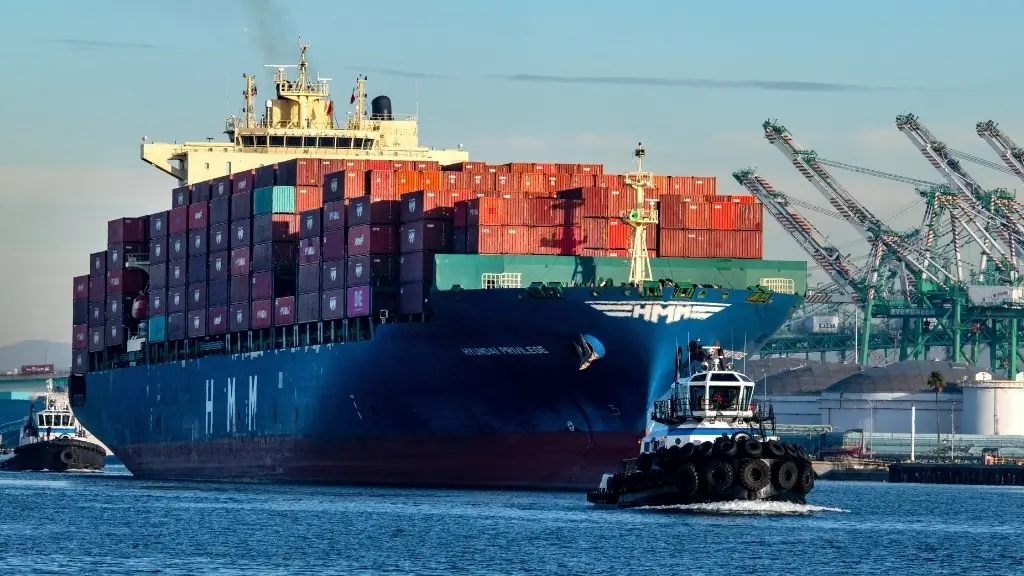
Japan’s auto supply chain is showing early signs of strain as disruptions tied to the Iran war begin to ripple through companies linked to Toyota Motor Corp.

Smaller suppliers have started warning they may not be able to deliver parts within weeks, reducing visibility across the network and making production planning increasingly difficult, according to executives at Toyota Industries.

Sign up for CBT News’ daily newsletter and get the latest industry stories delivered straight to your inbox.

Parts makers are responding with a cautious outlook for the current fiscal year as they navigate rising raw material costs, aluminum and resin shortages, and ongoing logistics challenges.

In an industry where a single missing component can halt production, uncertainty around supply availability is creating significant operational risk.

Suppliers like Denso Corp. projected an operating profit of ¥500 billion for the fiscal year ending March 2027, falling short of analyst expectations. Meanwhile, Toyoda Gosei issued an outlook in line with estimates but warned that material disruptions could begin as early as June.

Company leadership pointed to potential shortages of paint thinners as a critical concern, noting that without them, vehicles cannot be completed, which would disrupt production across the industry. Toyoda Gosei has already factored supply instability into its forecast, anticipating production could fall by roughly 200,000 vehicles versus customer plans.

At Toyota Boshoku, executives emphasized the industry’s reliance on naphtha-derived resin-based materials, highlighting how upstream shortages can cascade through the supply chain. The company is now seeking shorter-term commitments from suppliers as long-term agreements become harder to secure.

More from Global Industry News
Unifor rejects concessions ahead of Detroit Three contract talks

Unifor rejects concessions ahead of Detroit Three contract talks

- June 8, 2026
On the Dash: Unifor enters negotiations seeking gains, not concessions, signaling the potential for higher labor costs at Detroit Three operations in Canada. Tariffs and plant idlings remain major bargaining...
Could legacy brands become China's ticket into the U.S.?

Could legacy brands become China’s ticket into the U.S.?

- June 5, 2026
Welcome back to the latest episode of The Future of Automotive on CBT News, where we put recent automotive and mobility news into the context of the broader themes impacting the industry. I’m...
Volvo global sales fall 5.5% as China weakness offsets EV gains in Europe

Volvo global sales fall 5.5% as China weakness offsets EV gains in Europe

- June 3, 2026
On the Dash: Volvo's global sales declined 5.5% year over year, reflecting ongoing pressure in China and uneven EV demand in key markets. U.S. deliveries showed early signs of improvement,...
U.S. eases some Taiwan tariffs under trade agreement

U.S. eases some Taiwan tariffs under trade agreement

- May 28, 2026
On the Dash: Tariff relief may lower input costs for auto suppliers using Taiwanese precision parts and electronics. There is a 15% cap on duties, which provides pricing stability for...