On the Dash:
- The 2026 Leaf S Plus will start at $29,990 ($31,485 with destination), making it the lowest-priced new EV in the U.S. market without relying on federal incentives.
- With the average new EV priced at $55,689, Nissan’s Leaf significantly undercuts competitors, offering a more accessible entry point compared to Tesla’s $52,900 average transaction price.
- As federal incentives disappear and Chinese competition intensifies, automakers like Hyundai, Kia, Tesla, Volkswagen, and Ford are moving to introduce more affordable electric models.
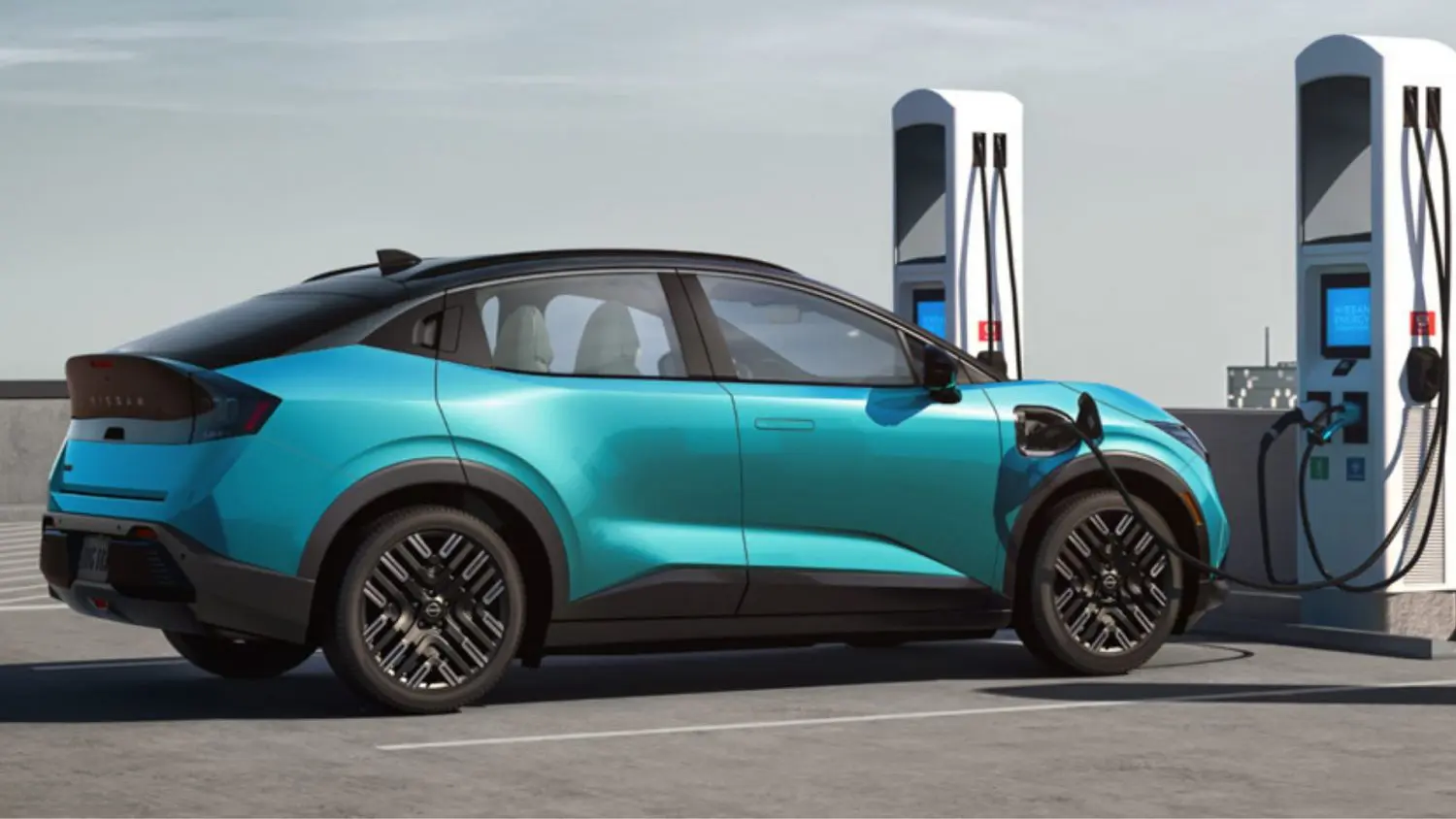
Nissan has announced pricing for its redesigned 2026 Leaf, setting a new benchmark for affordability in the electric vehicle (EV) market. When it arrives at dealerships this fall, the base Leaf S Plus will start at $29,990, or $31,485 with destination charges. According to Nissan, that makes it “the lowest starting MSRP for any new EV currently on sale in the U.S.”
The automaker revealed the pricing just weeks after unveiling the refreshed Leaf’s specifications, which include a new crossover body style, dual charging ports, and a range exceeding 300 miles. Nissan emphasized that the price reflects its commitment to “making EV mobility accessible to all,” rather than relying on federal incentives, which are no longer available under the Trump administration.
In addition to the base model, the Leaf SV Plus trim, featuring a larger battery and 18-inch alloy wheels, will be priced at $35,725 with destination charges.
The move positions Nissan well below the market average. Kelley Blue Book reported the average starting price of a new EV at $55,689, down 4.2% from last year, while the average gas-powered vehicle costs about $48,800, up 1.5% year over year. Tesla, which continues to dominate the EV market, has seen its average transaction price fall to around $52,900, a drop of more than 9%.
With federal incentives no longer available, automakers are accelerating efforts to produce affordable EVs. Competitors like Hyundai, Kia, and Tesla are preparing lower-cost models, Volkswagen is testing a €20,000 ($23,290) hatchback for global markets, while Ford plans to roll out a $30,000 electric truck by 2027.
Nissan’s aggressive pricing strategy signals its intent to remain competitive as the race for mass-market EV adoption intensifies.