TSLA406.4307.28%
GM81.5000.65%
F14.8400.13%
RIVN16.7601.22%
CYD50.0302.11%
HMC26.440-0.63%
TM174.9500%
CVNA64.100-3.72%
PAG180.960-0.06%
LAD313.3800.72%
AN191.530-2.54%
GPI325.3300.42%
ABG199.5300.05%
SAH84.6100.36%
TSLA406.4307.28%
GM81.5000.65%
F14.8400.13%
RIVN16.7601.22%
CYD50.0302.11%
HMC26.440-0.63%
TM174.9500%
CVNA64.100-3.72%
PAG180.960-0.06%
LAD313.3800.72%
AN191.530-2.54%
GPI325.3300.42%
ABG199.5300.05%
SAH84.6100.36%
TSLA406.4307.28%
GM81.5000.65%
F14.8400.13%
RIVN16.7601.22%
CYD50.0302.11%
HMC26.440-0.63%
TM174.9500%
CVNA64.100-3.72%
PAG180.960-0.06%
LAD313.3800.72%
AN191.530-2.54%
GPI325.3300.42%
ABG199.5300.05%
SAH84.6100.36%


700Credit’s Ken Hill on recent data breach and what dealers need to know

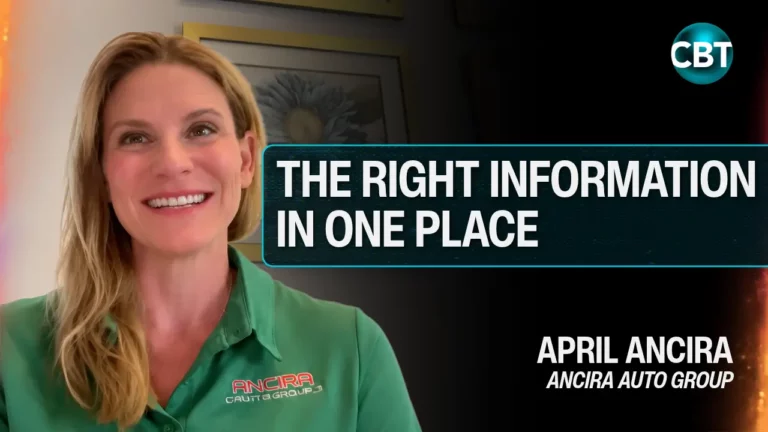
700Credit, a credit check and compliance provider, suffered a significant data breach in late October, affecting nearly 18,000 dealerships and more than 5.6 million customers. On today’s episode of Inside Automotive, 700Credit Managing Director Ken Hill discusses what happened and how the company is responding.

700Credit communicates with over 200 integration partners through APIs. One of those partners was compromised in July, but the company did not notify 700Credit. Hackers took over that partner’s system and gained access to communications logs, which exposed an API used to pull consumer information. The breach revealed a vulnerability in 700Credit’s validation process.

Sign up for CBT News’ daily newsletter and get the latest industry stories delivered straight to your inbox.

On Oct. 25, hackers launched a sustained velocity attack that continued for more than two weeks. Although 700Credit shut down the exposed API, attackers still managed to obtain about 20% of consumer data from May to October 2025. The attack did not penetrate 700Credit’s internal systems, which remained operational throughout the incident.

"I wanted to be able to tell our customers that we've done everything we could."

Hill urges dealership groups of all sizes, particularly those with limited cybersecurity budgets, to prioritize education and adopt best practices to reduce the risk of becoming targets.

700Credit, in partnership with the National Automobile Dealers Association (NADA), coordinated with the Federal Trade Commission (FTC) to file a consolidated breach notice on behalf of all affected dealerships. The company also reported the incident to the FBI on behalf of the dealers.

The company is currently notifying state agencies and impacted consumers. All affected consumers will receive one to two years of free credit monitoring, a free credit report and access to a dedicated support line.

The company has increased its cybersecurity insurance, strengthened API inspections and is moving toward a more secure system backbone with enhanced protections.
Read More


More from Daily Automotive News
America's savage yards are burning. Drivers are the ones paying the price

America’s salvage yards are burning. Drivers are the ones paying the price

- June 12, 2026
While most Americans see scrapyard fires as local news, the real story may be unfolding in repair shops, insurance offices, and family budgets across the country. Americans don't need another reason...
Stellantis' China gamble could reshape America's auto industry forever

Stellantis’ China gamble could reshape America’s auto industry forever

- June 10, 2026
Americans were told Chinese cars were being kept out of the United States for security reasons. Washington has imposed massive tariffs, politicians promised tougher restrictions, and consumers were reassured that...
Ken Garff Volkswagen

Ken Garff expands Utah footprint with Volkswagen purchase

- June 8, 2026
Ken Garff Automotive Group has acquired Volkswagen SouthTowne in South Jordan, Utah, from Susan Watkins. Announced on June 8, 2026, the transaction marks the group's first acquisition of 2026 and...
China's auto treat: America draws the red line

China’s auto treat: America draws the red line

- June 5, 2026
If you think the debate over Chinese vehicles is about cheaper cars showing up at American dealerships, you’re missing the bigger story—and it’s one policymakers in Washington are no longer...