TSLA445.17011.72%
GM75.810-0.63%
F13.5851.595%
RIVN14.2700.32%
CYD51.0202.5%
HMC24.3700.26%
TM186.8905.22%
CVNA69.900-3.82%
PAG166.580-2.45%
LAD273.220-2.08%
AN191.110-4.25%
GPI327.780-8.36%
ABG192.850-0.83%
SAH76.120-2.46%
TSLA445.17011.72%
GM75.810-0.63%
F13.5851.595%
RIVN14.2700.32%
CYD51.0202.5%
HMC24.3700.26%
TM186.8905.22%
CVNA69.900-3.82%
PAG166.580-2.45%
LAD273.220-2.08%
AN191.110-4.25%
GPI327.780-8.36%
ABG192.850-0.83%
SAH76.120-2.46%
TSLA445.17011.72%
GM75.810-0.63%
F13.5851.595%
RIVN14.2700.32%
CYD51.0202.5%
HMC24.3700.26%
TM186.8905.22%
CVNA69.900-3.82%
PAG166.580-2.45%
LAD273.220-2.08%
AN191.110-4.25%
GPI327.780-8.36%
ABG192.850-0.83%
SAH76.120-2.46%

Trump administration proposes rollback of CAFE standards

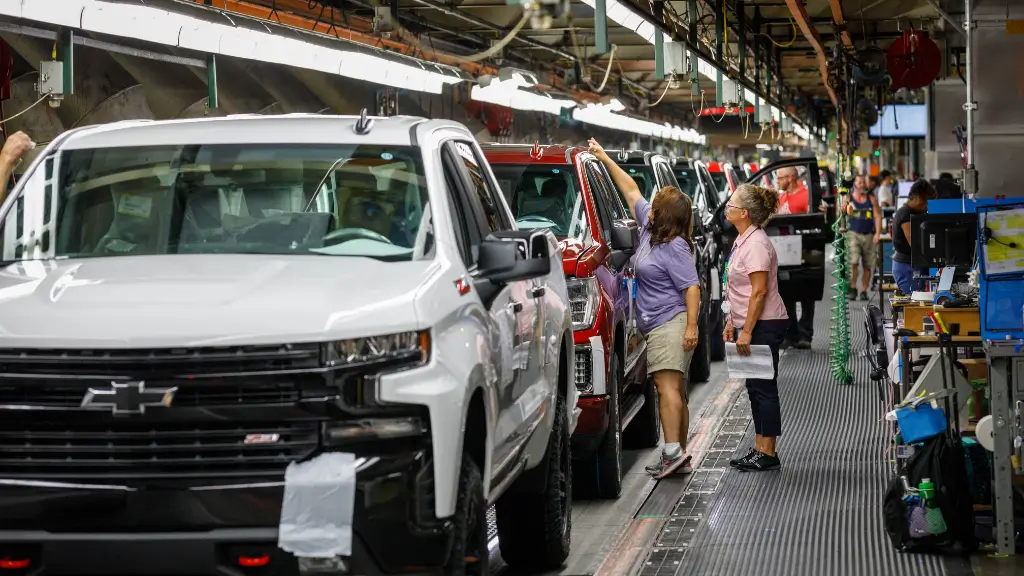
The move grants automakers more flexibility to produce vehicles that align with consumer demand and market realities.
Trump administration proposes easing 2031 fuel economy rules, giving automakers flexibility while drawing criticism from environmental groups.

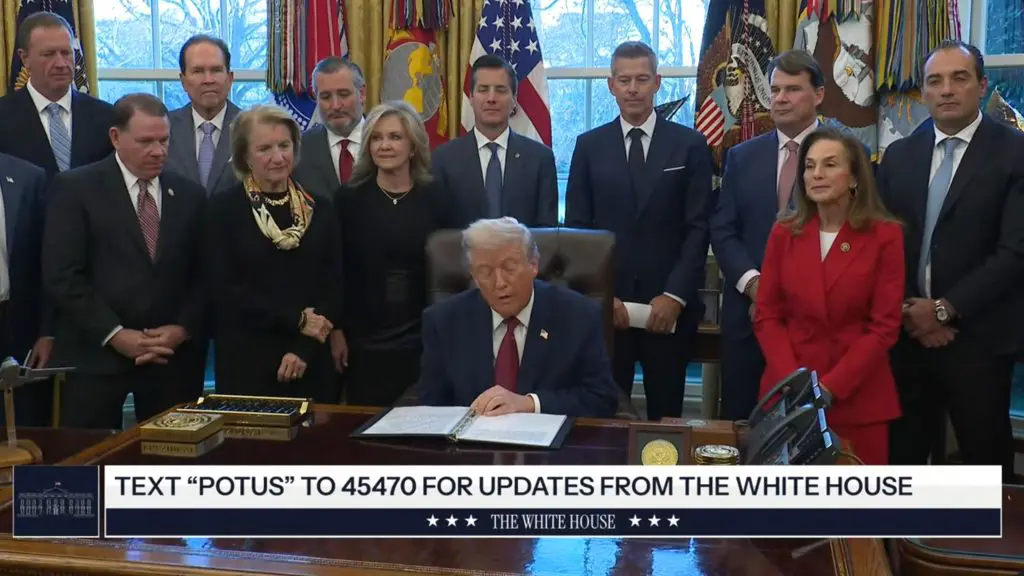
Photo From: The White House Official YouTube

On the Dash:

  • The Trump administration proposed rolling back CAFE standards to 34.5 mpg for 2022-2031 vehicles.
  • Crossovers and small SUVs will be reclassified as passenger vehicles, easing regulatory burdens.
  • Automakers broadly support the rollback, while environmental groups criticize it for favoring oil and gas interests.

President Donald Trump announced on Wednesday a proposal to roll back stringent federal fuel economy standards, offering significant relief for automakers.

The proposed changes to the Corporate Average Fuel Economy (CAFE) standards would require 2022 to 2031 model-year vehicles to achieve an average fuel economy of 34.5 mpg, a significant reduction from the Biden administration’s previous target of 50.4 mpg. In addition, crossover and small SUVs will be reclassified as passenger vehicles rather than light trucks, further easing regulatory burdens.

Sign up for CBT News’ daily newsletter and get the latest industry stories delivered straight to your inbox.

The move grants automakers more flexibility to produce vehicles that align with consumer demand and market realities. It also reduces the need for manufacturers to rely on electric vehicle sales to meet fleet-wide fuel economy averages, particularly as federal tax incentives for EVs were eliminated earlier this year.

The administration will publish the proposal in the Federal Register, followed by a 45-day public comment period. A public hearing will be scheduled at a later date.

The administration framed the rollback as a correction to previous rules that were unrealistic, increased vehicle costs, and limited consumer choice. Environmental groups, however, criticized the change, arguing it benefits oil and gas interests while undermining fuel economy and emissions goals.

Automakers and industry groups publicly supported the announcement. Ford CEO Jim Farley and Stellantis CEO Antonio Filosa attended the White House event alongside Transportation Secretary Sean Duffy, Senator Bernie Moreno, and National Automobile Dealers Association Chairman Tom Castriota. Representatives from General Motors were also present.

The CAFE statute, established in 1975, requires the Department of Transportation to set fleet-wide fuel economy standards. The proposed rollback aligns with the Trump administration’s broader efforts to reduce regulatory burdens on automakers, loosen EV mandates, and encourage production of gasoline-powered vehicles.
Read More
More from Articles
The simple 'paperwork' mistake that could cost dealers $10,000

The simple ‘paperwork’ mistake that could cost dealers $10,000

- May 13, 2026
On the Dash: CDK Global says a paperwork problem cost a dealer $10,000 during a manufacturer audit. NADA calls federal record-keeping requirements among the most burdensome rules dealers face today. ...
GM-LG battery venture recalls small group of Ohio workers as EV demand slows

GM-LG battery venture recalls small group of Ohio workers as EV demand slows

- May 13, 2026
On the Dash: EV production volatility is directly affecting supply chain employment and factory output decisions. Incentive-driven demand shifts are forcing automakers to adjust production more quickly than long-term EV...
Nissan projects return to profit after seventh straight quarterly loss

Nissan projects return to profit after seventh straight quarterly loss

- May 13, 2026
On the Dash: Nissan’s projected return to profit could improve dealer confidence after multiple quarters of financial instability. Ongoing model cuts and production restructuring may impact future inventory mix and...
New-vehicle prices rose in April, but the gains fell short of the historical average, with wide variation across brands and segments, according to Kelley Blue Book.

New-vehicle prices rise in April, but the pace is cooling

- May 13, 2026
On the Dash: New-vehicle ATP rose 1.8% year over year in April, below the 3.6% long-term average. Ford and GM posted strong gains while several luxury brands saw transaction prices...
CBT News
Privacy Overview

This website uses cookies so that we can provide you with the best user experience possible. Cookie information is stored in your browser and performs functions such as recognising you when you return to our website and helping our team to understand which sections of the website you find most interesting and useful.