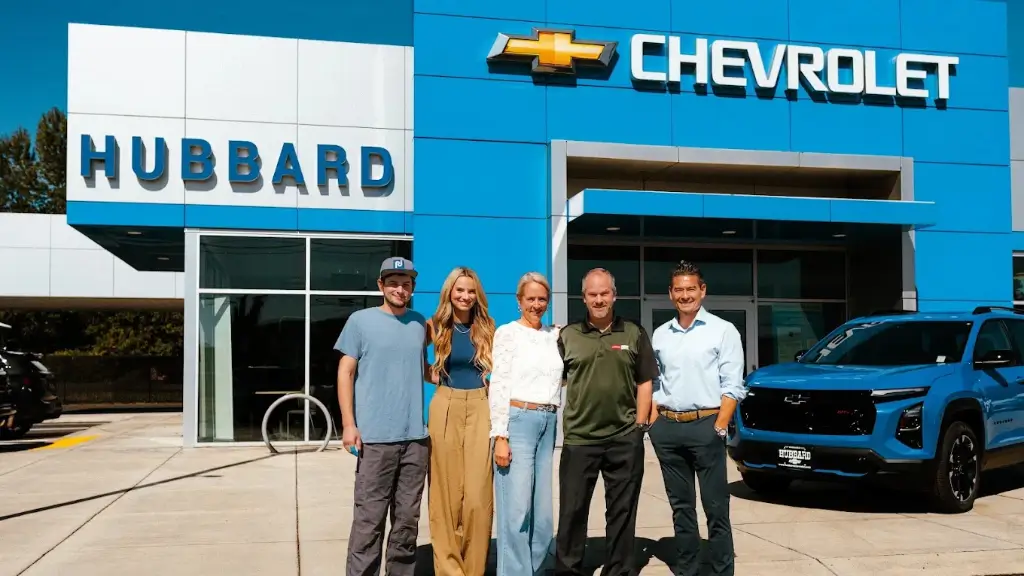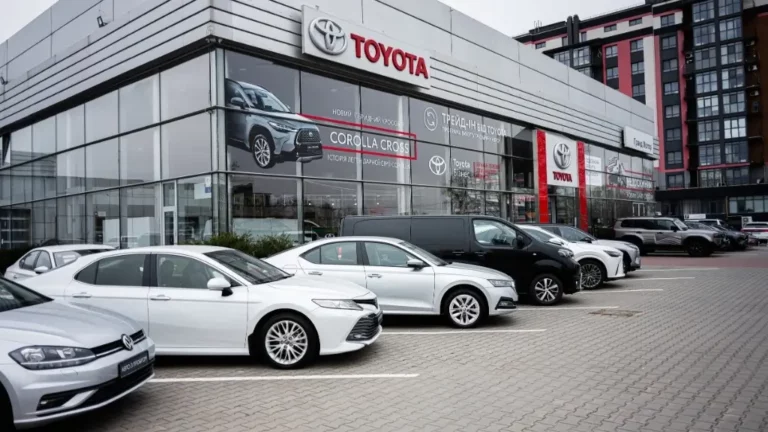
There are 9,387 international nameplate automobile dealer franchises across the country. Today, we’re diving into the economic influence of these dealerships, and we’ll also touch on the new trade agreement with Japan and what it could mean moving forward. Joining us on today’s episode of Inside Automotive is Cody Lusk, the President and CEO of the American International Automobile Dealers Association (AIADA).
“Our dealers are ecstatic.”
According to AIADA’s new economic impact report, international nameplate brands now account for more than half of the vehicles built in the U.S. and directly employ 162,000 Americans. “It’s incredible what’s happened over the last 50 years,” said Lusk. The report shows 4.9 million vehicles were produced in 2024 across 31 international facilities in nine states, with four new plants coming online in 2025.
Beyond production, the report also underscores $25 billion in U.S. parts and materials purchases and $16.5 billion in direct payroll. Lusk emphasized that international brands have revitalized communities, particularly in the South, by replacing lost industries with high-paying, high-tech manufacturing jobs. He pointed to BMW’s and Volvo’s presence in South Carolina and Toyota’s engagement in flood-stricken Texas as examples of dealers’ deep community ties.
Lusk also addressed the current administration’s 25% tariffs on vehicle imports, acknowledging they have yet to hit consumers directly but are burdening manufacturers and suppliers. “There are some bright spots,” he noted, citing handshake agreements with Europe and Japan to reduce tariffs to 15%, but warned these are not yet formalized and that deals with Mexico, Canada, and Korea remain unresolved.
EV outlook
On electric vehicles, Lusk said the looming expiration of the $7,500 federal tax credit on September 30 could lead to a temporary sales spike but cautioned that long-term growth requires a stable roadmap. “Manufacturers want certainty,” he said, noting that policy swings tied to presidential elections make long-term EV planning difficult.
When asked about the threat of Chinese automakers, Lusk acknowledged their global momentum but warned of the potential risks associated with data privacy and state subsidies. Still, he noted that many dealers would be interested in selling Chinese brands if they entered the U.S. through franchised networks.
Protecting dealer rights
Lusk also responded to a recent letter from the Alliance for Automotive Innovation to the DOJ challenging state franchise laws, calling it “an unnecessary slap in the face” to dealers. He expressed confidence in state associations’ ability to defend franchise protections and urged younger dealers to step into advocacy roles.