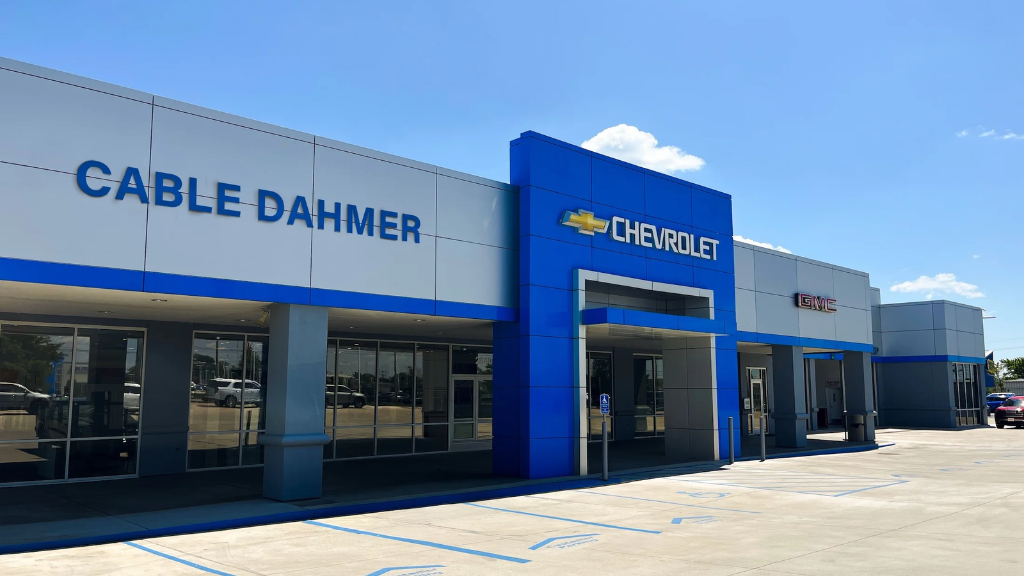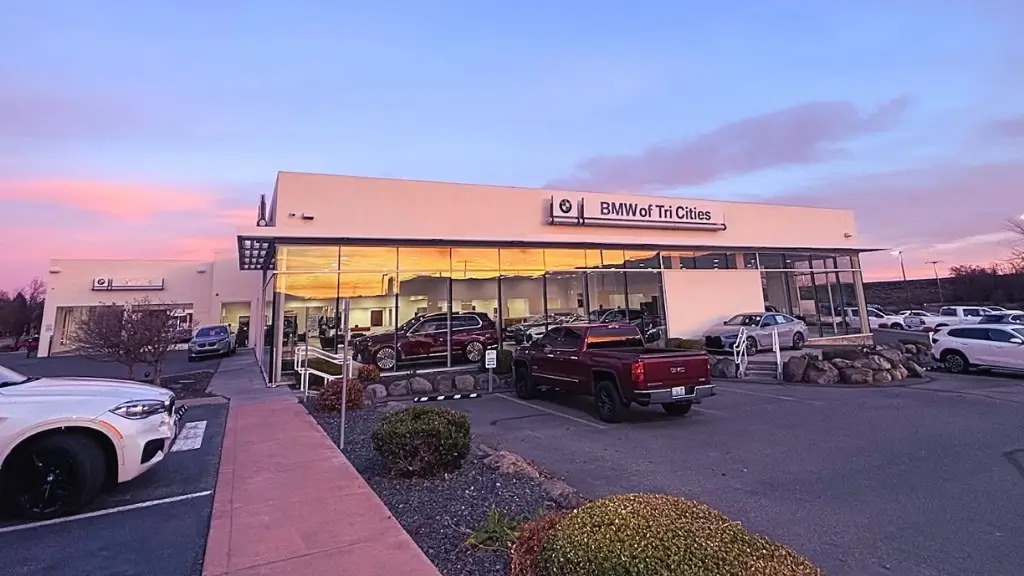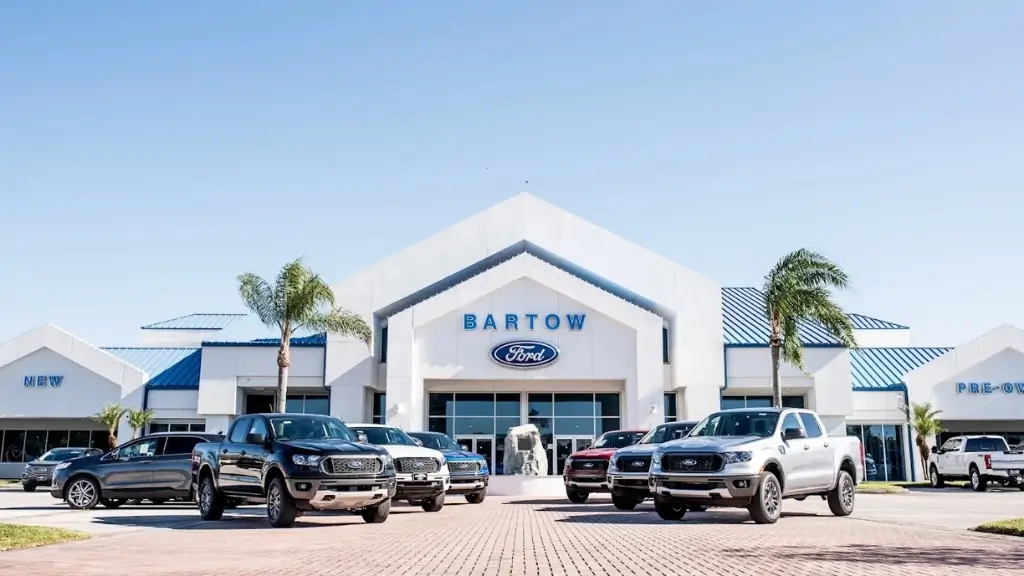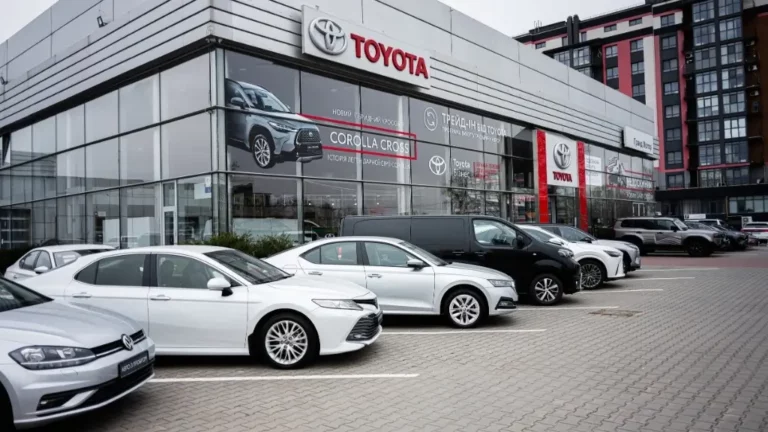
When you think about buying a car, you probably picture the final step—walking into a dealership, shaking hands, and driving off in something new. But what you might not think about is the incredibly complex process that got that vehicle into your hands. And even more overlooked? The vital role that middlemen like car dealerships play in making that possible.
We live in an era obsessed with “cutting out the middleman.” The phrase gets thrown around like it’s inherently virtuous. Tech companies promise lower costs and better service by eliminating dealers and distributors. Some automakers, especially those in the electric vehicle space, push hard for direct-to-consumer sales, arguing that it’s the modern way to sell cars.
But that narrative skips over something critical. Middlemen—like your local car dealer and the shipping company that brought the car to your part of the world—aren’t just part of the system. They are the system. And without them, the entire automotive experience would be slower, more expensive, and far less accountable.
Let’s admit it: Americans use middlemen every day. Whether it’s Amazon getting packages to your door, or your grocery store stocking fresh produce, these companies act as connectors. They’re the ones who bring products from Point A to Point B—efficiently, reliably, and at scale. Amazon may be seen as a tech giant, but it’s really a supply chain company, built on logistics and distribution.
In the auto industry, that concept plays out every day. Cars don’t go straight from the factory to your driveway, nor do you have to drive to Detroit to buy from the manufacturing plant. They move through a massive network—raw materials, parts suppliers, assembly plants, transportation hubs, and finally, your local dealer. Each step adds expertise, accountability, and value to the customer.
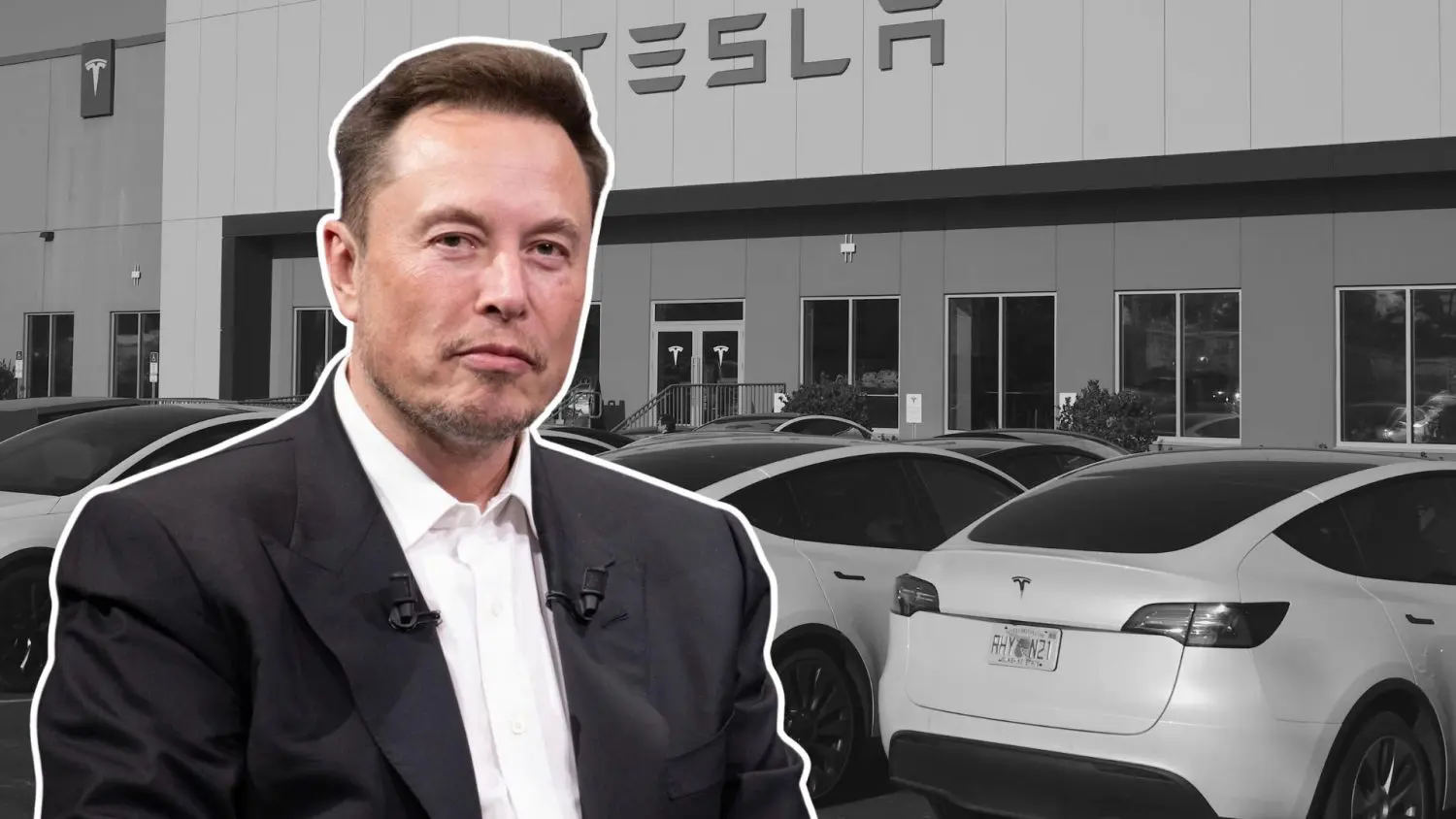
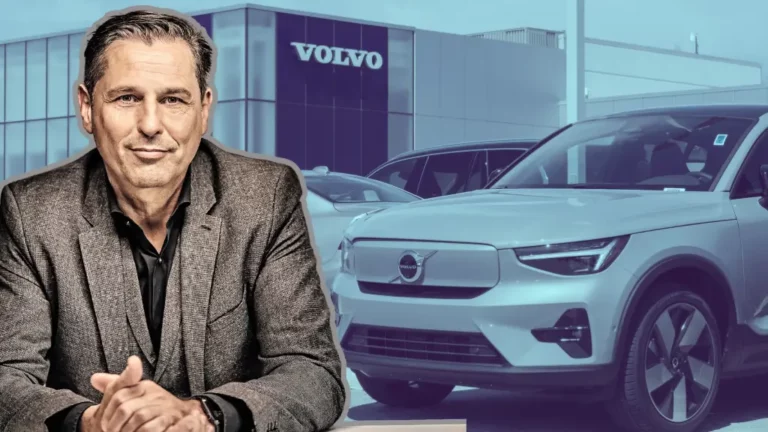
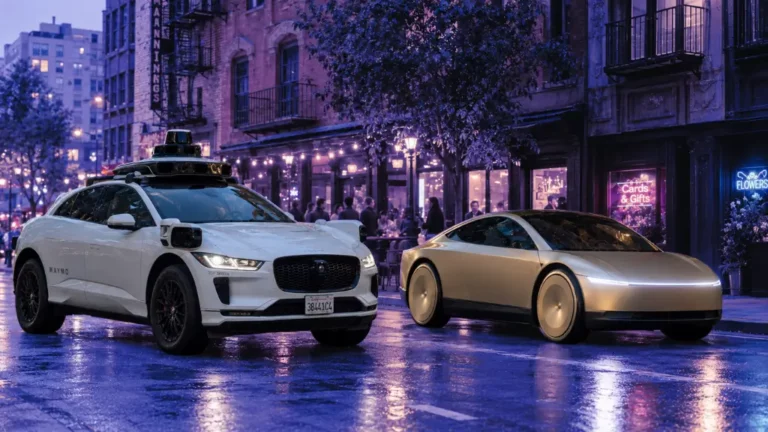
This stands in sharp contrast to direct-to-consumer brands like Tesla, which operate without traditional dealerships. Instead, customers place orders online or in company-owned showrooms, often without ever driving the vehicle first. The company controls everything—from pricing to delivery to service—which might sound efficient, but it removes the local relationship and accountability that dealerships offer. When problems arise, buyers are often left waiting for corporate to respond on its own timeline, without any local recourse or advocacy.
And here’s where it matters most to you: the dealership.
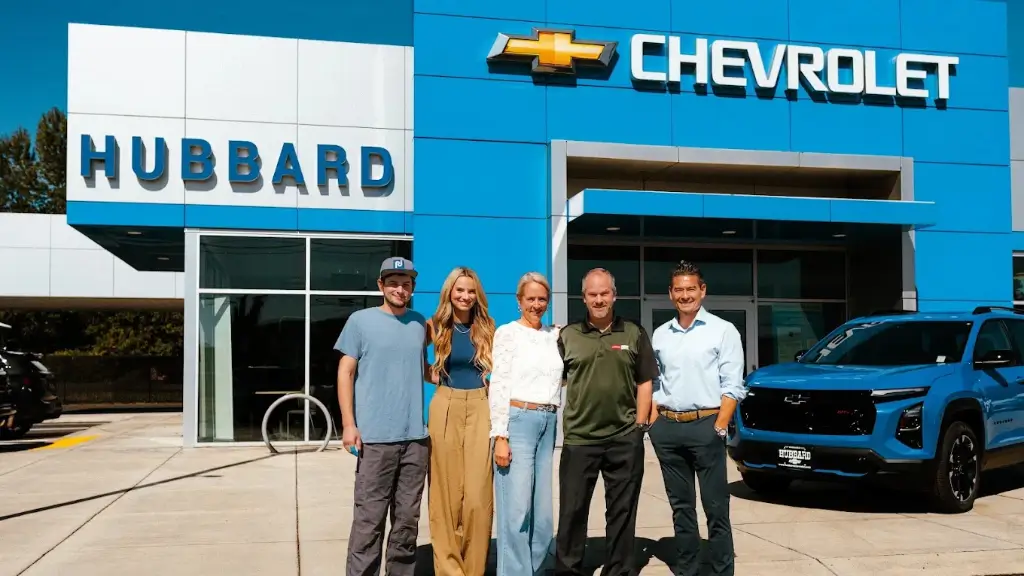
Dealers aren’t just there to hand you the keys. They’re your local connection to a global system. When you walk into a showroom, you’re gaining access to a support system. Dealers offer real-time comparisons between different trims and models. You can see the options, test drive them, ask questions, and get answers from someone who knows the product and knows your local driving needs.
You’re not left clicking through an app or talking to a call center on the other side of the country. You’re dealing with someone who wants your repeat business—which is why they also help you navigate the often-complicated world of financing and paperwork. You’re not navigating the labyrinth of paperwork and regulations for loans, titles, warranties, and insurance on your own. From the time you walk in the door to the time you leave the lot, dealers are making sure your investment is protected. And you’re supporting local businesses, which means jobs and improving the economy around you.
That’s something direct-to-consumer models can’t replicate. Sure, the idea of ordering a car online sounds sleek. But what happens when there’s a defect? What if your title gets lost in the shuffle? What if you need help when the battery range underperforms in winter driving? Without a local dealer, you’re often stuck dealing with a corporate help desk, hoping for a response, with no one nearby to step in. or waiting for weeks to get your vehicle serviced if it can’t be repaired remotely.
There’s also a bigger issue here—consumer choice. Dealers create competition. When you can walk into several dealerships in your area, compare prices, and negotiate, that gives you leverage. When everything is sold directly through the manufacturer, there’s no competition—only a fixed price and a one-size-fits-all approach.
Let’s not forget the economic role dealerships play. They employ over a million Americans, often in communities where good jobs are hard to come by. Many are family-owned, multi-generational businesses that reinvest in their towns through local sponsorships, community events, and charitable giving. When you remove them from the equation, you’re not just changing how cars are sold—you’re pulling economic activity away from local communities and concentrating it in corporate headquarters and tech platforms.
At a time when so much of life is becoming impersonal and centralized, local dealerships remain one of the last industries where consumers can actually engage face-to-face, get personalized service, and make informed decisions. This contrasts sharply with Tesla, where a car that doesn’t run, gets the “we’ll repair it when we can” treatment.
So, the next time you hear someone say we should “cut out the middleman,” stop and think about what that really means. Because in the auto industry, the middleman—your local dealer—isn’t just a convenience. They’re your advocate, your partner, and your safety net.
Eliminating them doesn’t streamline the process. It strips away the layers of protection and personal service that American car buyers have come to rely on for over a century.
Let’s not make that mistake.
Check out my full commentary on this story: http://youtu.be/Ju4Cha_vHQM
You can support me by buying me a cup of coffee. Thanks for subscribing and your support! https://www.buymeacoffee.com/
Looking for more automotive news? https://www.CarCoachReports.
Listen to The Drive Car Show – https://www.youtube.com/@thedrivecarshow