TSLA339.300-2.97%
GM84.370-2.4%
F14.050-0.32%
RIVN14.870-0.49%
CYD46.4301.19%
HMC31.9000.32%
TM189.180-1.93%
CVNA70.110-5.48%
PAG217.950-1.9%
LAD369.520-8.03%
AN204.960-4.45%
GPI259.680-4.27%
ABG208.540-2.12%
SAH80.260-0.57%
TSLA339.300-2.97%
GM84.370-2.4%
F14.050-0.32%
RIVN14.870-0.49%
CYD46.4301.19%
HMC31.9000.32%
TM189.180-1.93%
CVNA70.110-5.48%
PAG217.950-1.9%
LAD369.520-8.03%
AN204.960-4.45%
GPI259.680-4.27%
ABG208.540-2.12%
SAH80.260-0.57%
TSLA339.300-2.97%
GM84.370-2.4%
F14.050-0.32%
RIVN14.870-0.49%
CYD46.4301.19%
HMC31.9000.32%
TM189.180-1.93%
CVNA70.110-5.48%
PAG217.950-1.9%
LAD369.520-8.03%
AN204.960-4.45%
GPI259.680-4.27%
ABG208.540-2.12%
SAH80.260-0.57%

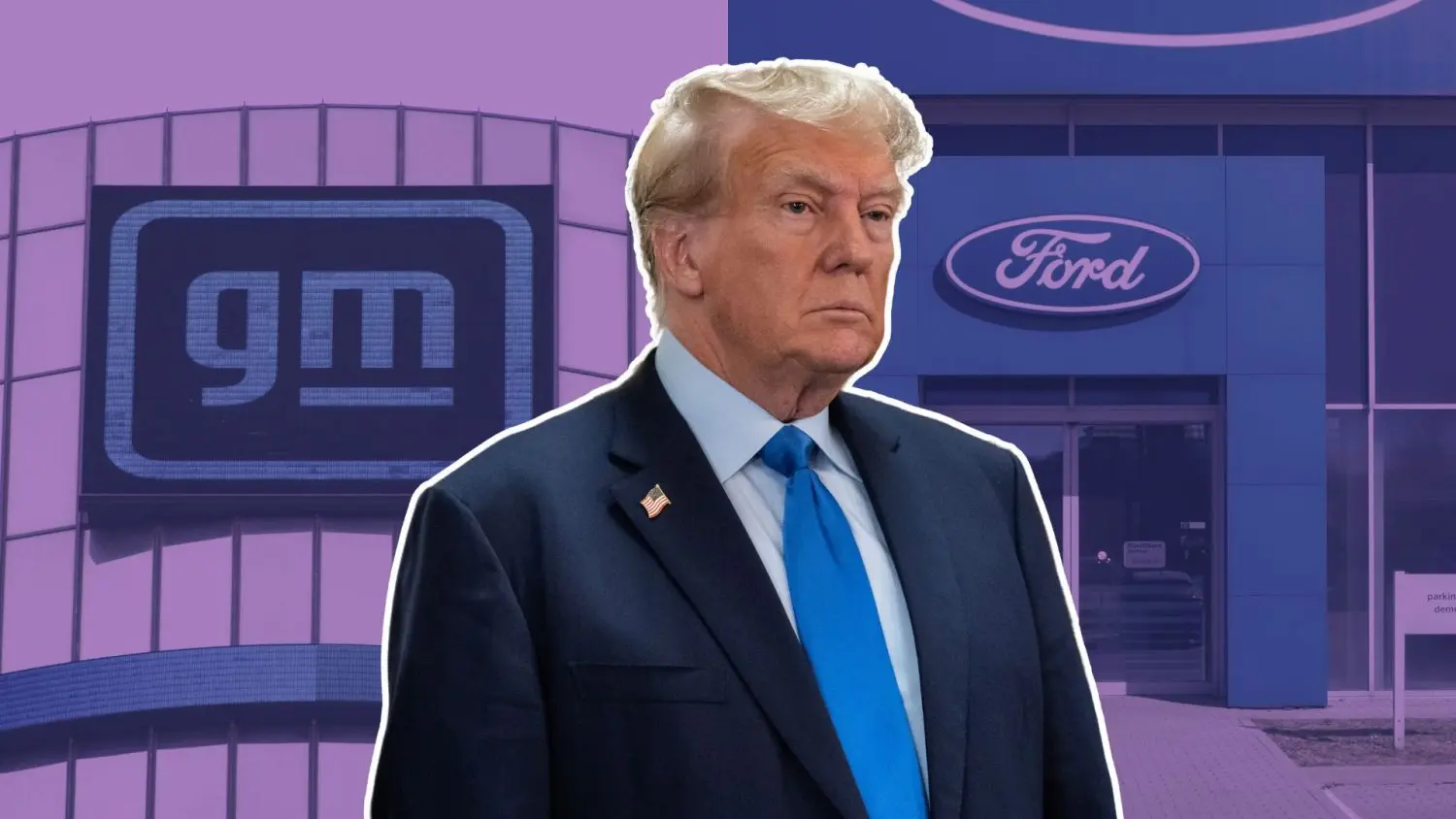
GM and Ford brace for impact of Trump’s 25% import tariffs

The proposed tariffs will shake things up for major automakers, including giants like General Motors, Ford, and Stellantis.
tariffs

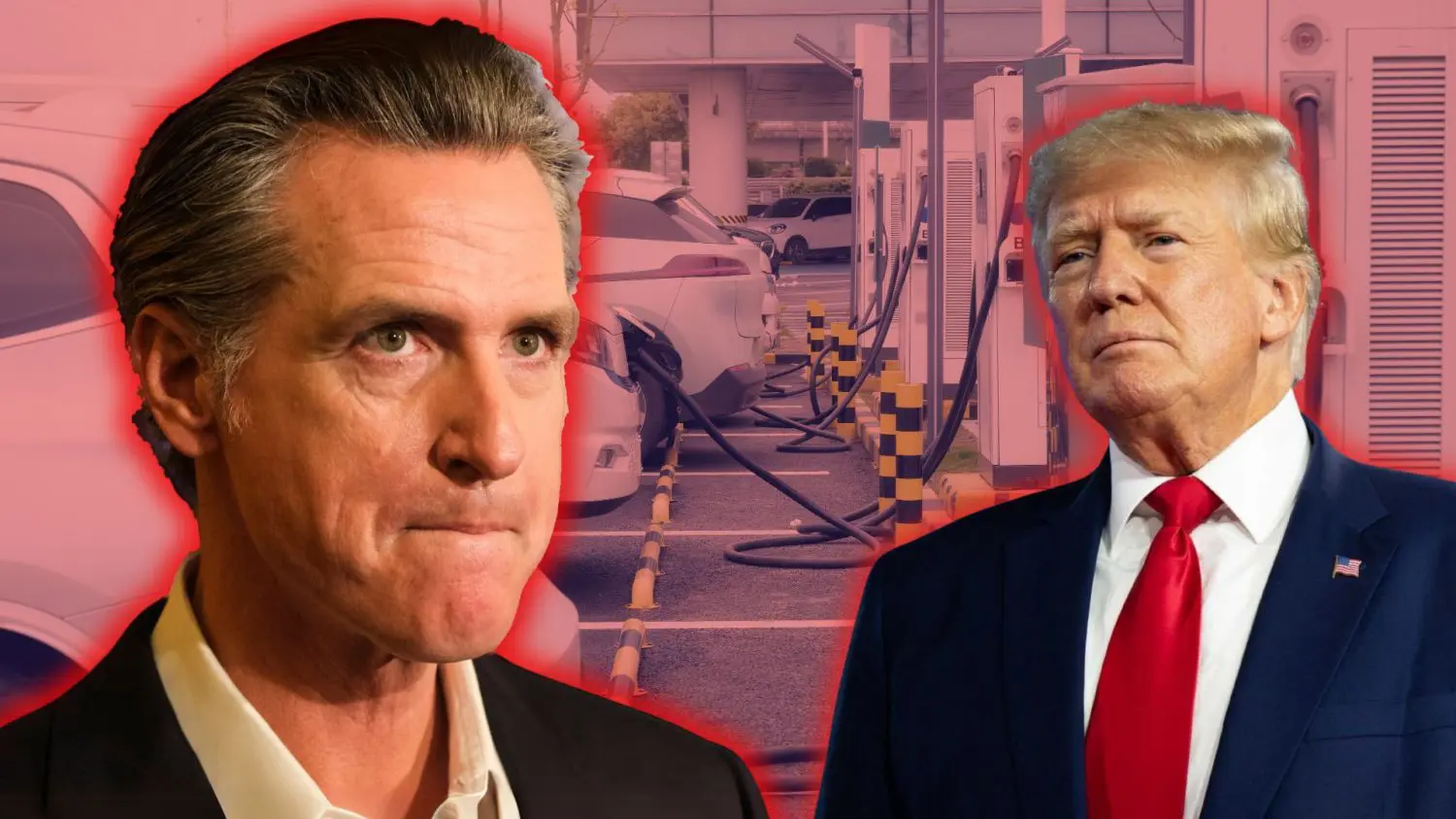
President-elect Donald Trump’s proposal to impose a 25% tariff on imports from Mexico and Canada has sparked concern across the U.S. automotive industry. The policy could significantly impact automakers like General Motors, Ford, and Stellantis, increasing vehicle costs and straining cross-border supply chains.

General Motors, the largest exporter of vehicles from Mexico to the U.S., would face a direct hit. In 2024, GM is projected to import over 750,000 vehicles from Mexico and Canada, including popular models like the Chevy Silverado and GMC Sierra. These tariffs could also disrupt the production of GM’s new electric vehicles (EVs), such as the Equinox and Blazer SUVs, which are manufactured in Mexico. Additionally, these electric vehicles (EVs) are caught in the crossfire of another Trump policy aimed at canceling the $7,500 federal EV subsidy.

Beyond GM, the tariffs threaten to increase vehicle prices for American consumers. Analysts predict that higher costs will ripple through the industry, affecting everything from pickup trucks to lower-cost sedans like the Nissan Sentra. Industry experts warn that these tariffs could undercut profitability or force manufacturers to pass the costs to buyers.

The policy also raises broader economic concerns. Mexico and Canada supply over 50% of all auto parts imported to the U.S., and disrupting this trade would likely inflate production costs for vehicles assembled domestically.

While the proposed tariffs aim to address immigration and drug trafficking concerns, critics argue that they function more as a negotiating tactic than a viable economic solution. Mexico’s President Claudia Sheinbaum criticizes Trump’s decision, stating that the proposed tariffs will damage economies on both sides of the border.

The ongoing uncertainty surrounding these tariffs has left automakers in a particularly precarious position, causing them to brace for potential disruptions in their supply chains and overall operations. With fluctuating trade policies, manufacturers are faced with the challenge of adapting their strategies to navigate the complexities of international trade.
Read More
More from Articles
U.S., Canada weigh 15% auto tariff as trade talks intensify

U.S., Canada weigh 15% auto tariff as trade talks intensify

- August 18, 2026
On the Dash: U.S. and Canadian negotiators are considering cutting the tariff on Canadian vehicles from 25% to 15%. Broader North American content deductions could push effective tariffs on some...
Unifor opens contract talks with GM as 30% of Canadian workers remain on layoff

Unifor opens contract talks with GM as 30% of Canadian workers remain on layoff

- August 18, 2026
On the Dash: GM labor talks could affect Canadian production and vehicle supply. Layoffs highlight ongoing uncertainty across GM’s Canadian operations. A new agreement could provide greater clarity on future...
NIADA to bring independent dealers to Capitol Hill for 12th annual National Policy Conference

NIADA to bring independent dealers to Capitol Hill for 12th annual National Policy Conference

- August 17, 2026
ARLINGTON, Texas — The National Independent Automobile Dealers Association (NIADA) will host its 12th Annual National Policy Conference September 28-29, 2026, at the Willard InterContinental in Washington, D.C., bringing independent...
Why dealership compliance has to start before the deal, not after

Why dealership compliance has to start before the deal, not after

Compliance is now a daily operating issue, not a once-a-year task  Regulatory pressure on automotive retail is not slowing down. The FTC and state agencies are watching F&I more closely, and...
CBT News
Privacy Overview

This website uses cookies so that we can provide you with the best user experience possible. Cookie information is stored in your browser and performs functions such as recognising you when you return to our website and helping our team to understand which sections of the website you find most interesting and useful.