TSLA380.840-10.22%
GM76.070-1.65%
F14.2150.025%
RIVN17.4550.365%
CYD43.900-0.815%
HMC28.160-0.61%
TM177.610-2.15%
CVNA67.360-3.3%
PAG202.660-2.08%
LAD335.280-3.88%
AN205.720-3.28%
GPI326.060-5.56%
ABG220.360-6.3%
SAH100.420-2.3%
TSLA380.840-10.22%
GM76.070-1.65%
F14.2150.025%
RIVN17.4550.365%
CYD43.900-0.815%
HMC28.160-0.61%
TM177.610-2.15%
CVNA67.360-3.3%
PAG202.660-2.08%
LAD335.280-3.88%
AN205.720-3.28%
GPI326.060-5.56%
ABG220.360-6.3%
SAH100.420-2.3%
TSLA380.840-10.22%
GM76.070-1.65%
F14.2150.025%
RIVN17.4550.365%
CYD43.900-0.815%
HMC28.160-0.61%
TM177.610-2.15%
CVNA67.360-3.3%
PAG202.660-2.08%
LAD335.280-3.88%
AN205.720-3.28%
GPI326.060-5.56%
ABG220.360-6.3%
SAH100.420-2.3%

Trump’s tariffs threaten to slow U.S. EV market after 1M milestone

While the EV market has achieved a significant milestone, progress may slow if Trump's tariff threats are enacted.
tariffs

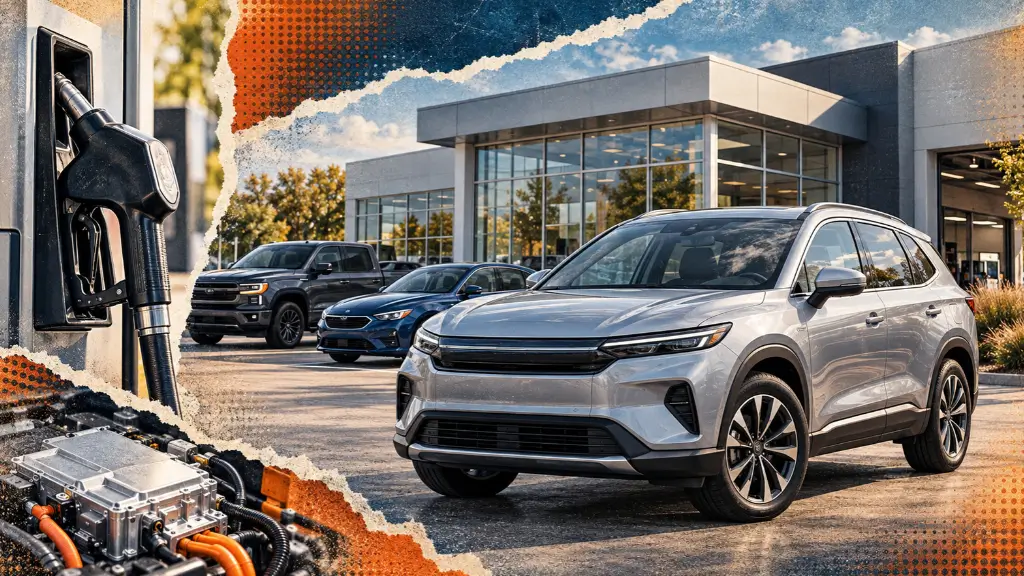
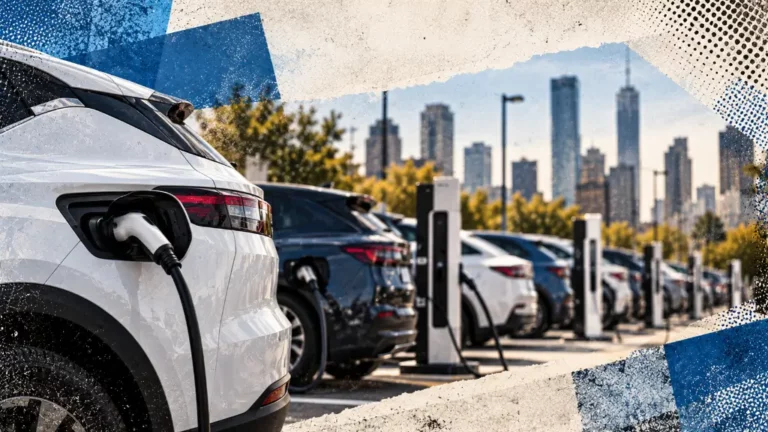
The electric vehicle (EV) market has hit a significant milestone, surpassing 1 million vehicles sold in the U.S., and is poised for further growth as EV prices continue to drop and get closer to the price of gasoline cars.

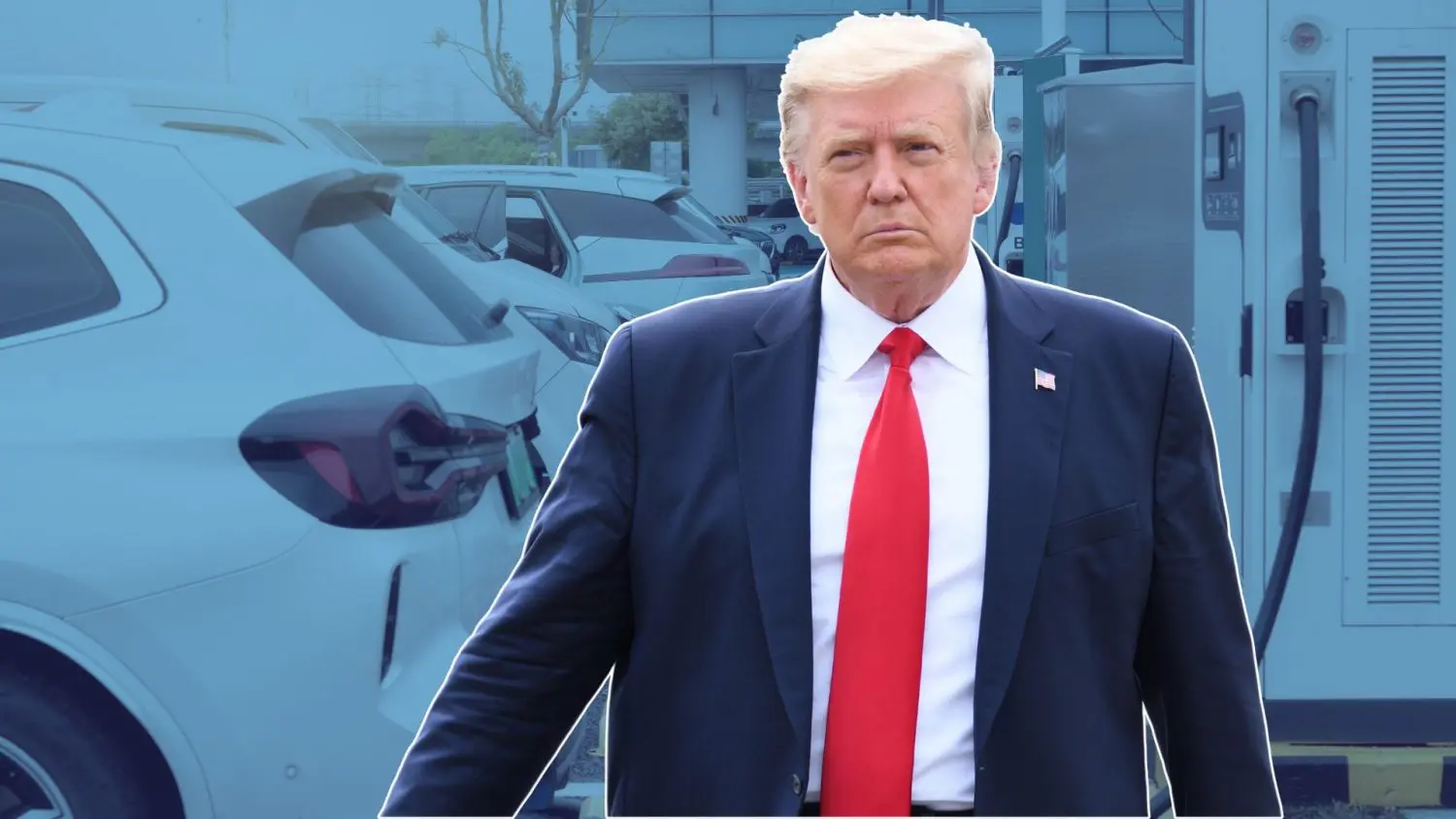
However, this momentum may be at risk due to potential policy shifts under President-elect Donald Trump’s leadership. His “America First” agenda, which includes significant tariffs on imported goods, could have unintended consequences for the rapidly growing EV sector.

These proposed tariffs could significantly raise the costs of materials essential to the U.S. EV industry, potentially slowing the transition to cleaner energy. His plan to impose 10% to 20% tariffs on all imported goods and 60% to 100% tariffs on Chinese products could add billions of dollars to the cost of items like electric vehicle (EV) batteries, steel, and other materials needed for renewable energy projects.

China dominates the global battery market, producing 85% of the world’s battery anodes and 75% of battery cells. U.S. companies imported $4 billion worth of lithium-ion batteries from China in 2022, and proposed tariffs could more than double costs, making batteries more expensive for EVs, solar systems, and grid storage. Similarly, steel, crucial for building wind turbines, solar farms, and other clean energy infrastructure, often comes from countries like Mexico and Canada. With tariffs, U.S. companies could face an additional $1.1 billion to $4.2 billion in costs for steel.

The electric vehicle market would also be hit, as the U.S. is the largest importer of EVs, with $44 billion in imports last year. Trump’s proposed tariffs could add $4.4 billion to $8.8 billion to the cost of EVs, depending on the tariff rate, particularly impacting vehicles from Mexico, which exports EVs made by companies like Ford and GM.

While tariffs could encourage more domestic manufacturing, critics argue that they would increase costs for U.S. companies and consumers. Economists warn that tariffs could fuel inflation, trigger retaliatory measures, and stifle broader economic growth. For cleantech companies, the higher expenses could undermine the goal of scaling up low-emissions energy systems, particularly since U.S. manufacturing costs are higher than those in China and other countries.

While tariffs might bring some manufacturing back to the U.S., they could also slow the clean energy revolution and hinder the nation’s ability to compete with China’s well-established supply chains.

Read More


More from Articles
Flock cameras update: Errors keep happening, cities are dropping contracts – but new players are taking over

Flock cameras update: Errors keep happening, cities are dropping contracts – but new players are taking over

- July 17, 2026
We’ve covered Flock cameras before, the automated license plate readers were expanding fast, sold as a precision crime-fighting tool. The update is less reassuring. Fresh mistakes are still occurring, including...
Detroit automakers respond to hazardous air as wildfire smoke impacts production

Detroit automakers respond to hazardous air as wildfire smoke impacts production

- July 17, 2026
On the Dash: Production remains online, but ongoing air quality issues could temporarily disrupt manufacturing output if conditions worsen. Any prolonged production interruptions at Michigan assembly plants could affect future...
Honda ends U.S. Prologue EV as hybrid demand reshapes strategy

Honda ends U.S. Prologue EV as hybrid demand reshapes strategy

- July 17, 2026
On the Dash: Honda dealers should expect hybrids, not EVs, to drive showroom traffic and sales growth in the near term. The Prologue's retirement reflects continued softness in U.S. EV...
New-vehicle affordability slips in June as prices, loan rates climb

New-vehicle affordability slips in June as prices, loan rates climb

- July 17, 2026
On the Dash: New-vehicle affordability declined slightly in June as prices and loan rates outweighed income growth Affordability still beat last year, thanks to 4.1% income growth and lower...
CBT News
Privacy Overview

This website uses cookies so that we can provide you with the best user experience possible. Cookie information is stored in your browser and performs functions such as recognising you when you return to our website and helping our team to understand which sections of the website you find most interesting and useful.