TSLA400.62011.72%
GM81.3203.27%
F12.8700.43%
RIVN17.2300.34%
CYD43.2600.9381%
HMC25.0000.64%
TM217.2004.34%
CVNA387.50025.26%
PAG161.3205.3%
LAD283.0408.17%
AN207.9909.7%
GPI349.94014.46%
ABG211.4407.35%
SAH70.7003.33%
TSLA400.62011.72%
GM81.3203.27%
F12.8700.43%
RIVN17.2300.34%
CYD43.2600.9381%
HMC25.0000.64%
TM217.2004.34%
CVNA387.50025.26%
PAG161.3205.3%
LAD283.0408.17%
AN207.9909.7%
GPI349.94014.46%
ABG211.4407.35%
SAH70.7003.33%
TSLA400.62011.72%
GM81.3203.27%
F12.8700.43%
RIVN17.2300.34%
CYD43.2600.9381%
HMC25.0000.64%
TM217.2004.34%
CVNA387.50025.26%
PAG161.3205.3%
LAD283.0408.17%
AN207.9909.7%
GPI349.94014.46%
ABG211.4407.35%
SAH70.7003.33%

Cold weather driving range varies heavily between EV models, says new study

Electric vehicles display varying levels of driving range loss in cold weather according to EV research firm Recurrent
Electric vehicles display varying levels of driving range loss in cold weather according to EV research firm Recurrent.

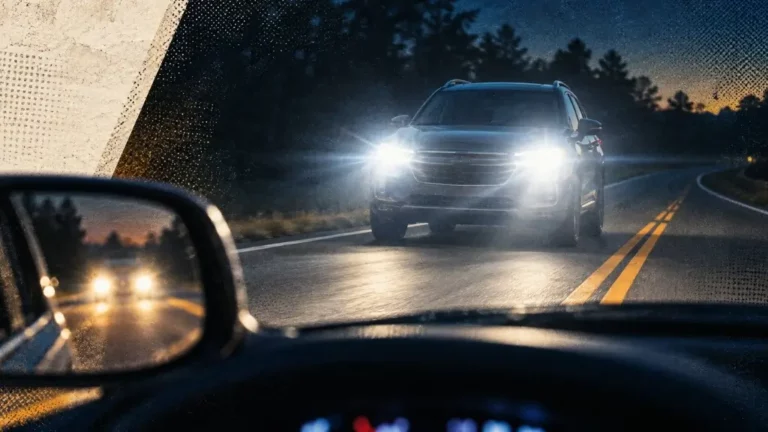
Electric vehicles experience surprisingly variable degrees of driving range loss due to cold weather based on model and design, according to new research.

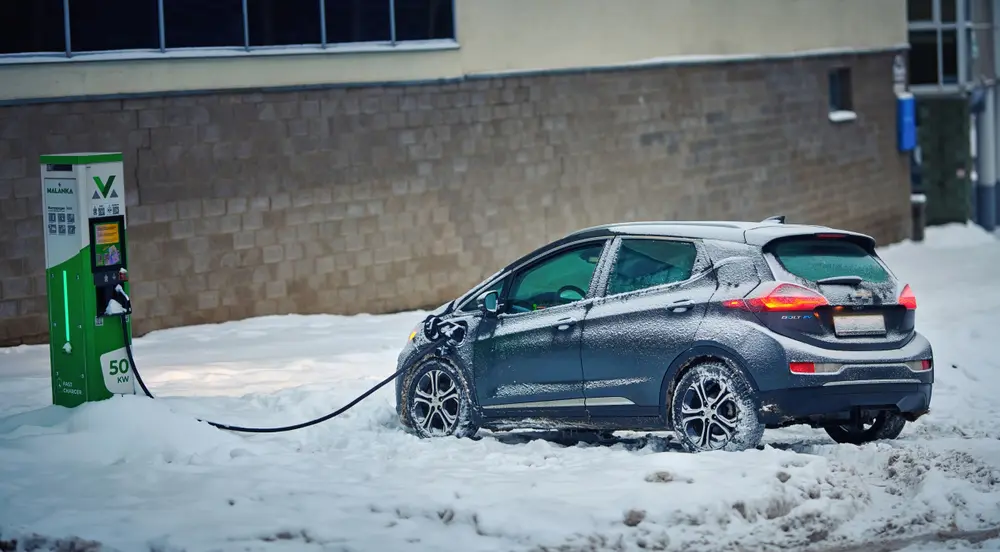
Virtually all EV drivers experience range loss during the winter due in part to a variety of mechanical and chemical factors and the relatively high power consumption of interior heating devices. However, the degree to which cold weather impacts a battery can vary significantly. According to electric vehicle research firm Recurrent, 12 of the top battery-powered models display differing levels of range loss, making certain options more recommendable for customers in colder climates.

To study the differences in range loss, Recurrent examined data from 10,000 EVs across the U.S. Across all models, 2019-2020 Jaguar I-PACE SUVs and the 2022 Hyundai Ioniq 5 SUV were least impacted by cold weather, losing only 3% of their respective EPA-estimated driving ranges in freezing temperatures. Both electric vehicles also outperform their original range calculations in normal weather, with the Ioniq 5 exceeding its projected range by 13%.

Across the board, Tesla’s lineup performed the worst in cold weather in terms of driving range. From most to least impacted, the Model S, Model Y, Model X, and Model 3 lost 50% or more of their original EPA-estimated ranges at freezing temperatures. It is worth noting that all four electric vehicles display drastically reduced driving ranges from their initial (likely outdated) calculations, meaning that more current and accurate data would reduce the apparent degree to which battery performance is impacted by climate. Other models that struggled in winter conditions were the 2015 and 2019 Nissan LEAF hatchbacks, losing 42% and 38% of their respective driving ranges, and the 2021 Ford Mustang Mach-E, also displaying a reduction of 38%.

One of the key differences between high and low performers in Recurrent’s study was the inclusion of heat pumps. These devices can warm up the vehicle’s interior without drawing as much energy from the battery as other heating systems, modestly improving driving range. As electric vehicles become more popular, innovation in the sector will naturally accelerate, potentially discovering a workaround to the influences of cold weather. However, with the EV segment struggling to build momentum as it is, automakers may need to develop those energy-saving technologies sooner rather than later to spur adoption, especially in areas where utility and efficiency take priority over other features.

Read More
More from Articles
STL launches ‘Neuralis’ in the US: A high-performance Data Center portfolio engineered for the AI era

STL launches ‘Neuralis’ in the US: A high-performance Data Center portfolio engineered for the AI era

- April 17, 2026
Washington, United States, 17/April/2026: STL Optical Connectivity NA, LLC,  (STLOC),  a U.S. subsidiary of STL [NSE: STLTECH], a leading connectivity solutions provider for AI-ready digital infrastructure, today announced the U.S. launch of Neuralis, its flagship...
GM leans on global production to supply U.S. market amid cost pressures

GM leans on global production to supply U.S. market amid cost pressures

- April 17, 2026
On the Dash: Imported inventory may create variability in delivery timing and supply consistency. Trade policy shifts could impact the pricing and availability of certain models. Global production strategies may...
Volkswagen ends U.S. EV output, triggering $600 million financial hit 

Volkswagen ends U.S. EV output, triggering $600 million financial hit 

- April 17, 2026
On the Dash: Slower EV demand may impact inventory planning and turn rates for electric models. Production pullbacks could tighten EV supply or shift sourcing toward imports. Ongoing cost pressures...
March sales surge tightens inventory, affordability gaps persist

March sales surge tightens inventory, affordability gaps persist

- April 17, 2026
On the Dash: Faster March sales improved inventory flow, but demand remains uneven heading into Q2. Limited sub-$40K inventory continues to constrain volume opportunities. Rising incentives indicate growing pressure to...
CBT News
Privacy Overview

This website uses cookies so that we can provide you with the best user experience possible. Cookie information is stored in your browser and performs functions such as recognising you when you return to our website and helping our team to understand which sections of the website you find most interesting and useful.