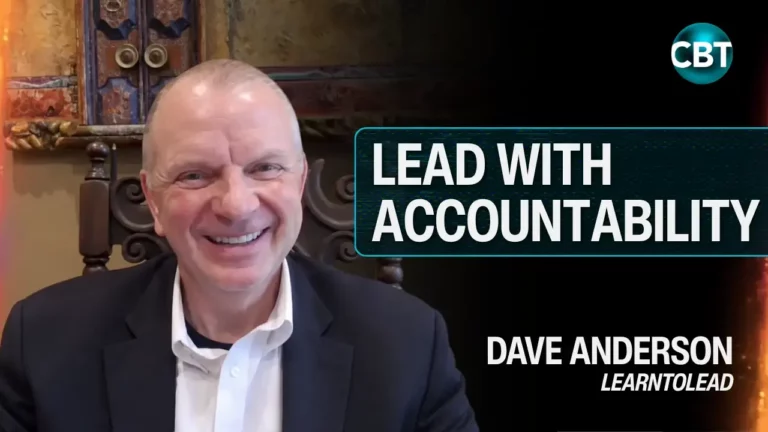
Nearly every potential customer you deal with has sales objections or reasons they’re hesitant to purchase your product. These objections typically include price, value, and ease of transaction. Although objections are a normal part of selling, they can impede your ability to move customers through the sales pipeline. Today on Inside Automotive, we’re pleased to welcome back Matt Easton, sales trainer, consultant, and Founder of Easton University, who discusses how salespeople can handle the most common sales objections.
It’s something all salespeople dread––the sales objections that could stop a sale in its tracks. But there’s a silver lining in the potential struggle. Easton says that even “north of 90%” of the objections we hear aren’t objections but complaints we can navigate.
Easton quotes that the average price of a vehicle in 2022 is $48,000, which isn’t chump change by any means––it’s, in fact, higher than the national salary average. Cars are a passion many Americans can get behind––they walk into a dealership passionate about their next vehicle and where it (literally and figuratively) could take them. It’s valid to have a complaint about even the things you love. Just because they seem to be defensive regarding a sale doesn’t mean they’re leaning towards walking away from the purchase.
Salespeople aren’t bound to agree with everything the customer says, and this comes with unlimited amounts of potential pitfalls. According to Easton, the first step to avoid these pitfalls is the simplest––expressing empathy. “I hear you, and I understand you,” Easton demonstrates, elaborating that we aren’t tied down to mindlessly agreeing with the complaint as some salespeople were traditionally taught to do.
The process doesn’t involve sympathy––giving into the customer’s ideas and losing yourself on a roller coaster. “I can both disagree with you and understand you,” Easton says, referring to the infamous consumer complaint that “this product is overpriced.” Salespeople often mistakenly combat this by stating why the customer is wrong, bringing them closer to losing a sale and, in some situations, even starting a fight.
Another important action? Easton’s method is asking the customers for their input and ideas to make a world of difference.
Let’s say the customer has to wait a month to get the item, and they understandably say, “I can’t wait a month!” Many salespeople can get snarky, and Easton says the one thing to avoid is a comeback like, “well, everyone has to wait for things,” and ask what their options are before proposing anything else––what can they do? What are their thoughts?
“People are more likely to do what they’re going to do based on their own reasoning,” Easton says, “You’re not saying ‘here, I’ll give you what you want,'” you’re saying you’ll work with them to find a solution where everyone’s a winner.
Showing you’re committed to the customer and even more committed to helping them figure out their options can set the scene for progression.
Asking if the timeframe is the reason why they’re unsure can bring a customer to reflect on the potential good and can invite you to step up to the plate and find a solution. Do they have a relative with a vehicle to borrow for a month? Is there a rental the company can put them in? The most important outcome is not rushing the customer into buying something cheaper or faster but instead getting them what they originally really wanted.
Easton mentions these methods aren’t exclusive to automotive sales––trying them in your personal life with others could avoid many potential social missteps, and anyone passionate about sales can buff up their skills and learn more than they could independently than with any company they work with.