TSLA381.590-15.09%
GM79.400-4.36%
F14.300-0.65%
RIVN14.760-0.97%
CYD47.910-5.54%
HMC26.110-0.6%
TM172.030-3.75%
CVNA67.277-2.333%
PAG178.180-2.02%
LAD304.8300.96%
AN193.210-1.79%
GPI326.100-2.19%
ABG198.130-2.91%
SAH84.150-0.67%
TSLA381.590-15.09%
GM79.400-4.36%
F14.300-0.65%
RIVN14.760-0.97%
CYD47.910-5.54%
HMC26.110-0.6%
TM172.030-3.75%
CVNA67.277-2.333%
PAG178.180-2.02%
LAD304.8300.96%
AN193.210-1.79%
GPI326.100-2.19%
ABG198.130-2.91%
SAH84.150-0.67%
TSLA381.590-15.09%
GM79.400-4.36%
F14.300-0.65%
RIVN14.760-0.97%
CYD47.910-5.54%
HMC26.110-0.6%
TM172.030-3.75%
CVNA67.277-2.333%
PAG178.180-2.02%
LAD304.8300.96%
AN193.210-1.79%
GPI326.100-2.19%
ABG198.130-2.91%
SAH84.150-0.67%

Wholesale used-vehicle prices dip in February, EVs see steeper declines

Wholesale supply remained steady at 27 days as of mid-February, unchanged from January.
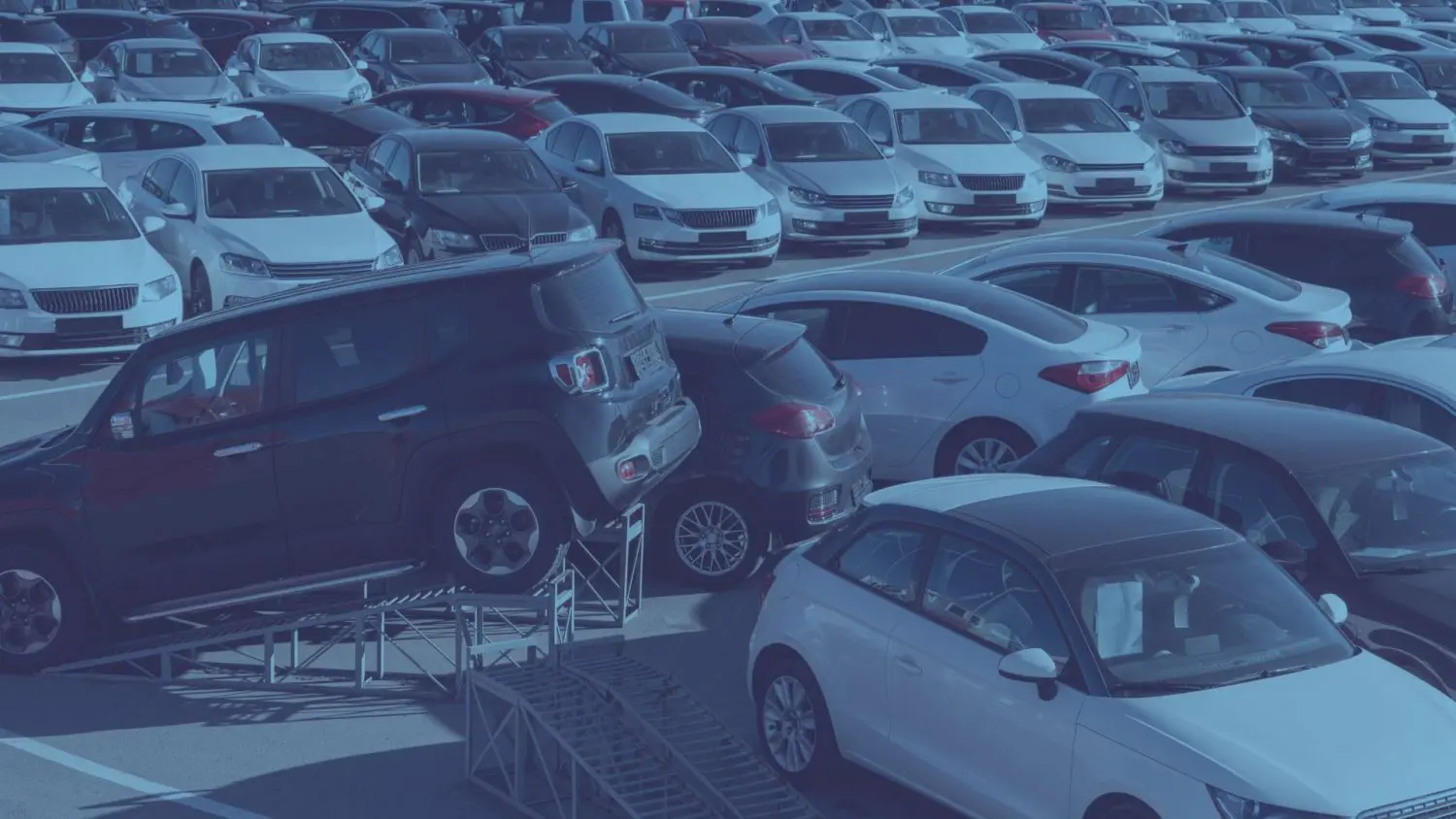
Wholesale used-vehicle prices declined in the first half of February, with the Manheim Used Vehicle Value Index falling to 203.3.

Wholesale used-vehicle prices declined in the first half of February, with the Manheim Used Vehicle Value Index falling to 203.3—down 0.2% from the full month of February 2024. While non-adjusted prices rose 1.0% from January, seasonal adjustments resulted in an overall price decline. The appreciation seen so far this month is weaker than the typical February increase of nearly one percentage point.

According to Cox Automotive’s Manheim Market Report (MMR), prices for three-year-old vehicles rose just 0.1% over the last two weeks, a smaller increase than in previous years. MMR retention averaged 100.1%, indicating valuations align with market prices, slightly improving over last year. The average daily sales conversion rate was 59.8%, nearly two points higher than last year and more than six points above pre-pandemic 2019 levels.

Sign up for CBT News’ daily newsletter and get the latest industry stories delivered straight to your inbox.

Among major vehicle segments, luxury models performed best with a 0.4% year-over-year increase, while SUVs declined in line with the industry at 0.2%. Pickup trucks fell 1.0%, midsize cars dropped 3.1%, and compact cars saw the steepest decline at 4.7%. Compared to January, all segments saw price drops, with compact cars (-1.5%) and luxury vehicles (-1.3%) depreciating the most.

Electric vehicles (EVs) continued to experience the highest depreciation, dropping 6.4% year over year and 0.4% from January, while non-EVs declined 0.9% in both comparisons.

Wholesale supply remained steady at 27 days as of mid-February, unchanged from January and in line with last year’s levels. However, supply is still running tighter than long-term averages for this time of year.

Consumer sentiment weakened in February, with the University of Michigan index falling 4.6% to 67.8, down 11.8% from last year. Inflation expectations for the next year rose to 4.3% from 3.3%, while five-year expectations increased slightly to 3.3%. Vehicle buying conditions worsened due to deteriorating price perceptions, though views on interest rates improved. Meanwhile, gasoline prices climbed 1.9% in February to $3.16 per gallon but remain 4% lower year over year.


Read More
More from Articles
Car Pros Automotive Group joins Amazon Autos

Car Pros Automotive Group joins Amazon Autos with five southern California dealerships

- June 10, 2026
Glendale, CA – June 10, 2026 – Car Pros Automotive Group today announced that five of its Southern California dealerships are now live at Amazon Autos, making Car Pros one of...
Novelis restarts Oswego plant after nine-month shutdown, easing F-150 supply shortage

Novelis restarts Oswego plant, easing auto aluminum shortages

- June 10, 2026
On the Dash: Novelis restarted its Oswego, N.Y., hot mill Wednesday after a nine-month shutdown. Two fires in fall 2025 cost Ford an estimated $2 billion in supply disruptions. The...
Stellantis' China gamble could reshape America's auto industry forever

Stellantis’ China gamble could reshape America’s auto industry forever

- June 10, 2026
Americans were told Chinese cars were being kept out of the United States for security reasons. Washington has imposed massive tariffs, politicians promised tougher restrictions, and consumers were reassured that...
Auto insurers struggle to maintain seamless interactions across channels, JD Power finds

Auto insurers struggle to maintain seamless interactions across channels, JD Power finds

- June 10, 2026
Cross-channel switching for a single inquiry breaks seamless experience One-third of shoppers use AI, increasing switching likelihood Only 58% of customers fully understand auto policy coverage today TROY, Mich--(BUSINESS WIRE)--As the...