TSLA354.080-22.285%
GM87.7600.54%
F14.6200.21%
RIVN15.740-0.17%
CYD37.430-0.24%
HMC32.670-0.37%
TM197.110-2.76%
CVNA74.5901.16%
PAG219.7700.15%
LAD386.8107.83%
AN212.3605.18%
GPI300.76016.43%
ABG217.2601.85%
SAH81.0001.58%
TSLA354.080-22.285%
GM87.7600.54%
F14.6200.21%
RIVN15.740-0.17%
CYD37.430-0.24%
HMC32.670-0.37%
TM197.110-2.76%
CVNA74.5901.16%
PAG219.7700.15%
LAD386.8107.83%
AN212.3605.18%
GPI300.76016.43%
ABG217.2601.85%
SAH81.0001.58%
TSLA354.080-22.285%
GM87.7600.54%
F14.6200.21%
RIVN15.740-0.17%
CYD37.430-0.24%
HMC32.670-0.37%
TM197.110-2.76%
CVNA74.5901.16%
PAG219.7700.15%
LAD386.8107.83%
AN212.3605.18%
GPI300.76016.43%
ABG217.2601.85%
SAH81.0001.58%

Waymo’s driverless cars crash 68% less than humans, IIHS study finds

The first large-scale safety study of driverless vehicles gives dealers a data point as robotaxis expand into more markets.

Waymo's driverless cars crash 68% less than humans, IIHS study finds

On the Dash:

  • Waymo vehicles crashed 68% less often than human drivers over 50 million miles studied
  • Single-vehicle crashes dropped 85% and injury crashes dropped 81% compared with human drivers
  • IIHS says current crash-reporting rules can’t yet support monitoring driverless vehicles at scale

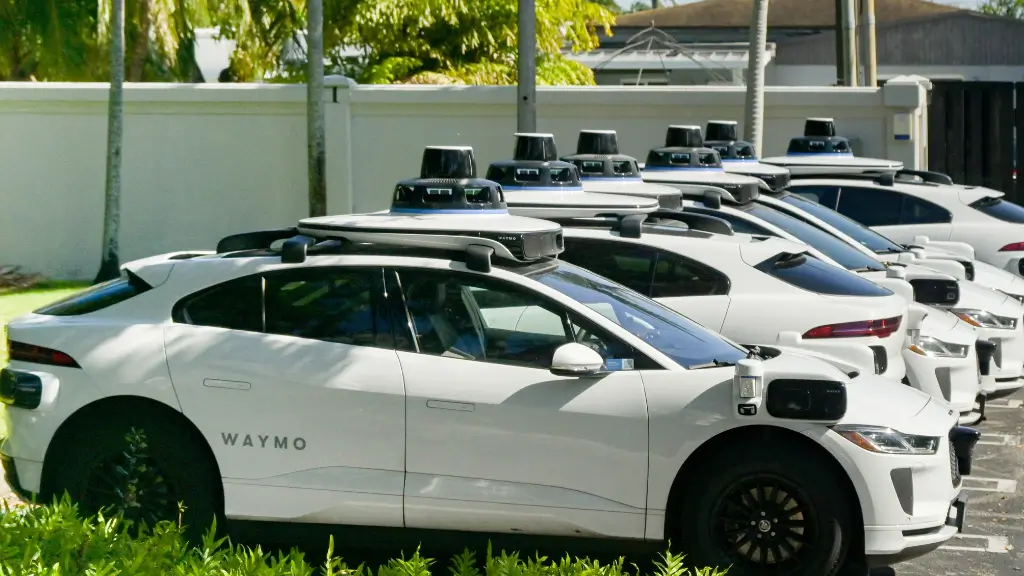
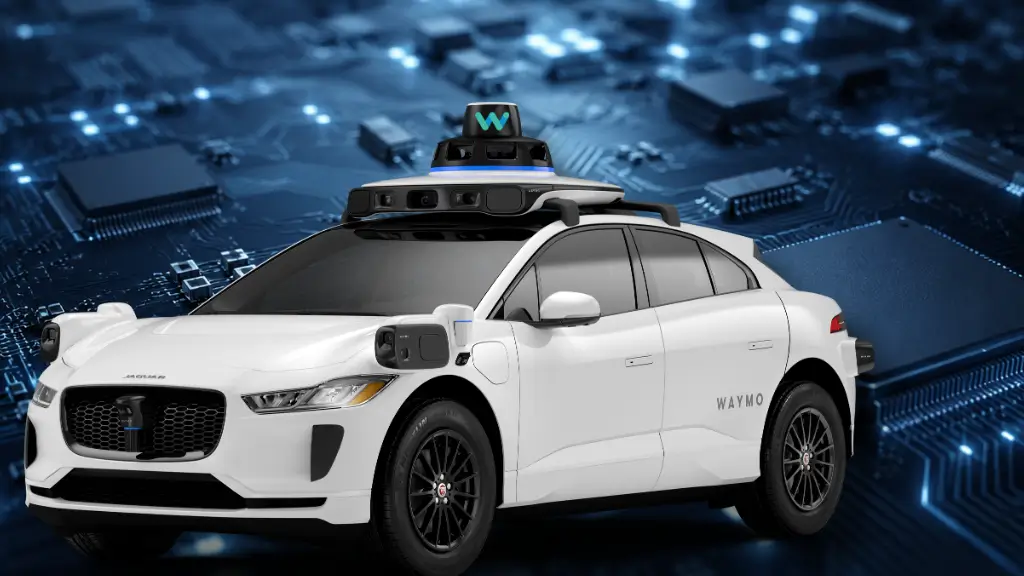
A new study from the Insurance Institute for Highway Safety (IIHS) found that Waymo‘s driverless vehicles crashed 68% less often than human drivers. The study is the most comprehensive comparison of autonomous and human driving safety to date.

The IIHS analyzed 50 million miles of Waymo operation from 2021 to 2024. That’s the same period when the company expanded its ride-share fleet from Phoenix into San Francisco, Los Angeles and Austin, Texas. Researchers compared that data against 222 billion miles logged by human drivers over the same span.

Sign up for CBT News’ daily newsletter and get the latest industry stories delivered straight to your inbox.

Single-vehicle crashes came in 85% lower for Waymo vehicles than for human drivers, and injury crashes were 81% lower. The overall 68% gap was driven mostly by multi-vehicle crashes, which are harder to assign fault for and more likely to involve another driver’s error.

“The results show that, on a limited scale, these driverless cars are safer than human drivers, who can be impaired or drowsy or suffer lapses in attention,” IIHS President David Harkey said in a statement. “However, the present data collection system isn’t good enough to allow continuous monitoring of a large-scale expansion.”

To build the comparison, IIHS researchers removed crashes that occurred while a human safety operator was present in the vehicle, then reviewed the remaining incidents to determine which would have met the threshold for police reporting had a human been driving.

Researchers noted that driverless companies are required to report nearly every incident, including minor curb strikes, while human drivers routinely underreport. The IIHS estimates that half of all property-damage crashes and a third of injury crashes involving human drivers go unreported. 

The findings come as Waymo continues rolling into new metro markets despite a string of recent recalls and federal scrutiny over specific incidents. The IIHS data gives the company and the broader AV industry an independent benchmark to point to as regulators weigh how to standardize crash reporting across driverless and human-driven fleets.
More from Autonomous Vehicles
Waymo details custom chip built to speed up robotaxi reaction time

Waymo details custom chip built to speed up robotaxi reaction time

- August 21, 2026
On the Dash: Waymo's new 5nm chip gives its robotaxis a big boost in raw processing power. The company says Computing power has scaled 20 times over the past eight...
Tesla prepares public rollout of driverless Cybercab this month

Tesla set to launch driverless Cybercab, reports say

- August 18, 2026
On the Dash: Tesla employees will ride Cybercabs on Austin public roads before commercial riders do. Cybercab has no steering wheel or pedals, leaving no manual fallback if FSD isn't...
NHTSA

NHTSA brake pedal rule could revolutionize the robotaxi market in 2026

- June 26, 2026
On the Dash: NHTSA has proposed removing the federal mandate for manual brake pedals in vehicles designed to operate exclusively without a human driver. The change could ease the path...
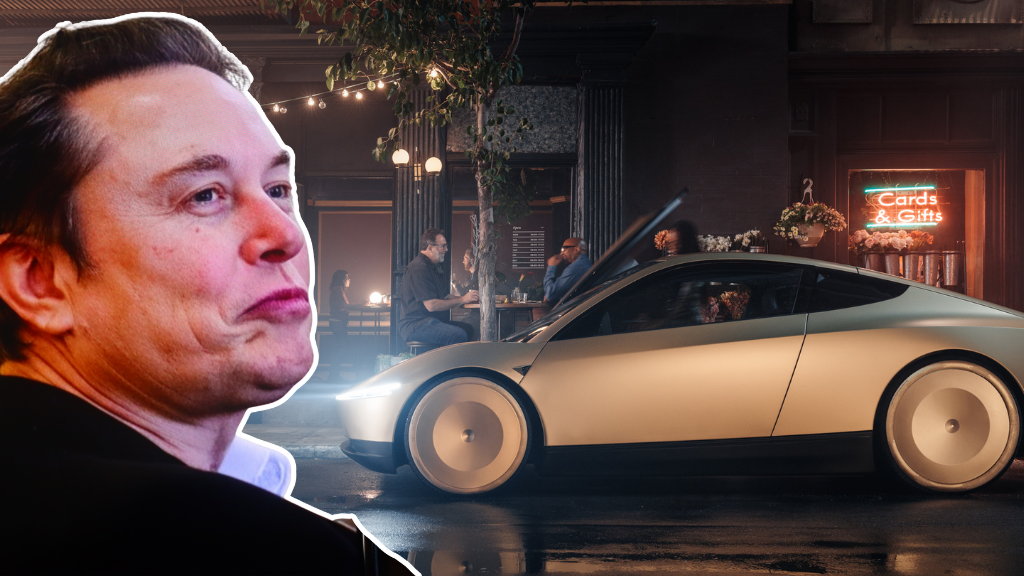
Elon Musk predicts self-driving domination within a decade as Tesla, Waymo face new recalls

Elon Musk predicts self-driving domination within a decade as Tesla, Waymo face new recalls

- May 19, 2026
On The Dash: Musk predicted Tesla's unsupervised self-driving service will expand nationwide by the end of 2026. Musk said AI will handle 90% of all miles driven within a decade. ...
CBT News
Privacy Overview

This website uses cookies so that we can provide you with the best user experience possible. Cookie information is stored in your browser and performs functions such as recognising you when you return to our website and helping our team to understand which sections of the website you find most interesting and useful.