On the Dash:
- Energy price spikes and maritime closures could sharply raise input costs for vehicles, batteries, and components.
- Delays in Asian supply chains will affect vehicle production timelines and inventory planning for global dealers.
- Insurance, shipping rerouting, and cost increases may impact dealer pricing, margins, and logistical strategy through mid-2026.
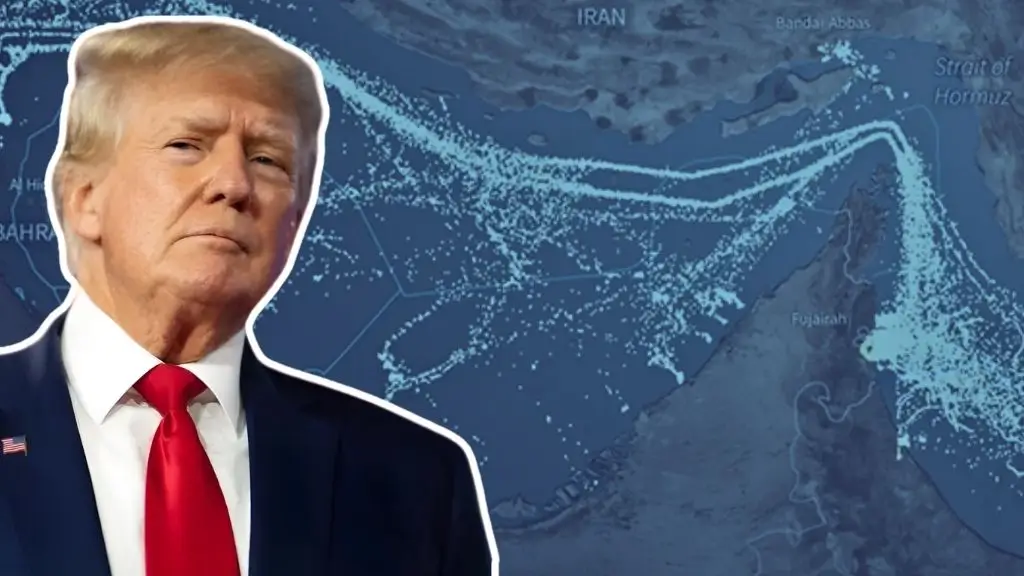
On Saturday morning, Feb. 28, 2026, U.S. and Israeli strikes on Iran, including the reported deaths of Supreme Leader Ayatollah Ali Khamenei and senior security officials, triggered a near-closure of the Strait of Hormuz. Within hours, Iran’s Islamic Revolutionary Guard Corps warned vessels that passage was “not allowed,” reducing traffic through the Strait by roughly 70%. Shipping carriers, including Hapag-Lloyd, Maersk, CMA CGM, and MSC, suspended transits.
The Strait handles 20% of the world’s daily oil supply and 22% of global liquefied natural gas exports, mostly from Qatar. Brent crude closed at $72.87 per barrel on Feb. 27, with analysts projecting $80 or higher if the closure persists, and worst-case scenarios exceeding $100 per barrel. Petrochemical feedstocks such as ethylene, propylene, and polypropylene, essential for automotive plastics, adhesives, and specialty chemicals, could rise 15–25$. Synthetic rubber pricing is also expected to increase.
Supply chain effects
Energy-intensive operations, including steel foundries, aluminium smelters, paint shops, and powertrain machining, will face higher production costs. Delays in shipping and rising energy costs threaten margins, production volumes, and capital investments, compounding the ongoing $60 billion EV reset. Battery production is exposed as energy-intensive, and maritime transport is disrupted, with China controlling 80% of global capacity and European battery makers accounting for less than 10%.
Approximately 170 containerships, with a combined capacity of 450,000 TEUs, were trapped near the Strait. Ports affected include Jebel Ali (Dubai), Shuaiba (Kuwait), Qatar, and Bahrain, all of which are experiencing partial or full closures. Rerouting via the Cape of Good Hope adds 10–14 days to transit times, increasing fuel costs and delaying just-in-time shipments.
Global automotive markets are highly exposed to disruptions in the Strait of Hormuz, with key manufacturers and oil-dependent economies facing significant operational and supply chain risks. Such as:
- Japan imports roughly 90% of its crude, exposing automakers including Toyota, Honda, and Nissan to supply and energy shocks.
- South Korea sources approximately 70% of its oil from the Gulf, creating significant vulnerability for its automotive sector.
- India relies on nearly 50% of its crude imports from the Gulf, impacting production and energy costs.
- China, the world’s largest vehicle market, receives 84% of its Gulf-bound crude through the Strait of Hormuz, making it the most exposed major automotive economy.
Shipping insurance rates in the Gulf are expected to rise significantly, with some vessels unable to obtain war-risk coverage. Past seizures, such as the 2024 capture of MSC Aries, highlight the real risk of operational disruption and vessel detention.
Longer-term implications
Even if the Strait reopens, financial aftershocks from higher energy and logistics costs may persist, affecting investment cycles, capital allocation, and the pace of electrification. Automotive manufacturers are advised to assess exposure to Gulf-origin petrochemical feedstocks, supplier concentration, energy hedging positions, and demand management at high-energy-intensity facilities. The crisis underscores the importance of regionalising supply chains, diversifying energy sources, and building strategic inventory buffers, as geopolitics becomes a structural factor in global manufacturing.