TSLA443.300-1.97%
GM77.7501.94%
F14.4700.9%
RIVN14.5200.25%
CYD51.0200%
HMC25.6701.3%
TM190.5003.61%
CVNA69.530-0.37%
PAG169.0602.48%
LAD274.7601.54%
AN192.6501.54%
GPI334.3306.55%
ABG193.0900.24%
SAH77.8401.72%
TSLA443.300-1.97%
GM77.7501.94%
F14.4700.9%
RIVN14.5200.25%
CYD51.0200%
HMC25.6701.3%
TM190.5003.61%
CVNA69.530-0.37%
PAG169.0602.48%
LAD274.7601.54%
AN192.6501.54%
GPI334.3306.55%
ABG193.0900.24%
SAH77.8401.72%
TSLA443.300-1.97%
GM77.7501.94%
F14.4700.9%
RIVN14.5200.25%
CYD51.0200%
HMC25.6701.3%
TM190.5003.61%
CVNA69.530-0.37%
PAG169.0602.48%
LAD274.7601.54%
AN192.6501.54%
GPI334.3306.55%
ABG193.0900.24%
SAH77.8401.72%

Toyota and Lexus to adopt Tesla’s EV charging standard by 2025

Toyota and Lexus have reached a deal with Tesla to make NACS-compatible models, expanding electric vehicle charging accessibility
Toyota and Lexus have reached a deal with Tesla to make NACS-compatible models, expanding electric vehicle charging accessibility.

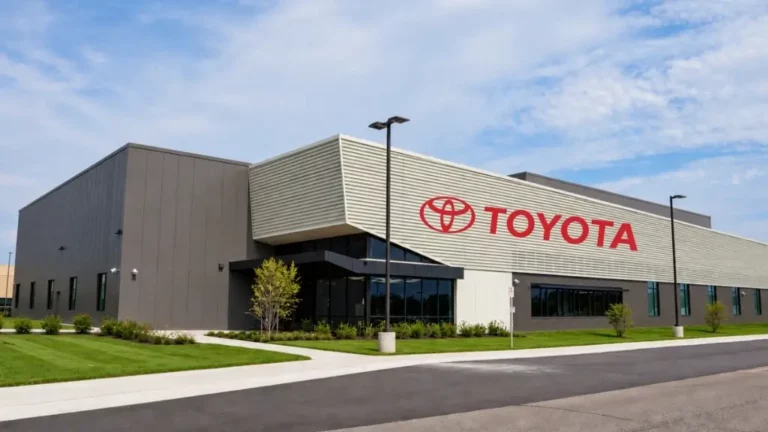
Toyota and its subsidiary Lexus have signed a deal with Tesla to adopt the North American Charging Standard (NACS), joining a growing list of major automakers taking action to improve electric vehicle charging accessibility.

The NACS was developed by Tesla for its Supercharger network, comprised of more than 12,000 stations across North America. Although manufacturers, lawmakers and electric vehicle charging providers have continued to support the Combined Charging System, developed independently by experts at SAE International and the European Automobile Manufacturers Association, nearly all prominent car brands (excluding Stellantis and Volkswagen) have announced plans to integrate the NACS into future electric vehicle models.

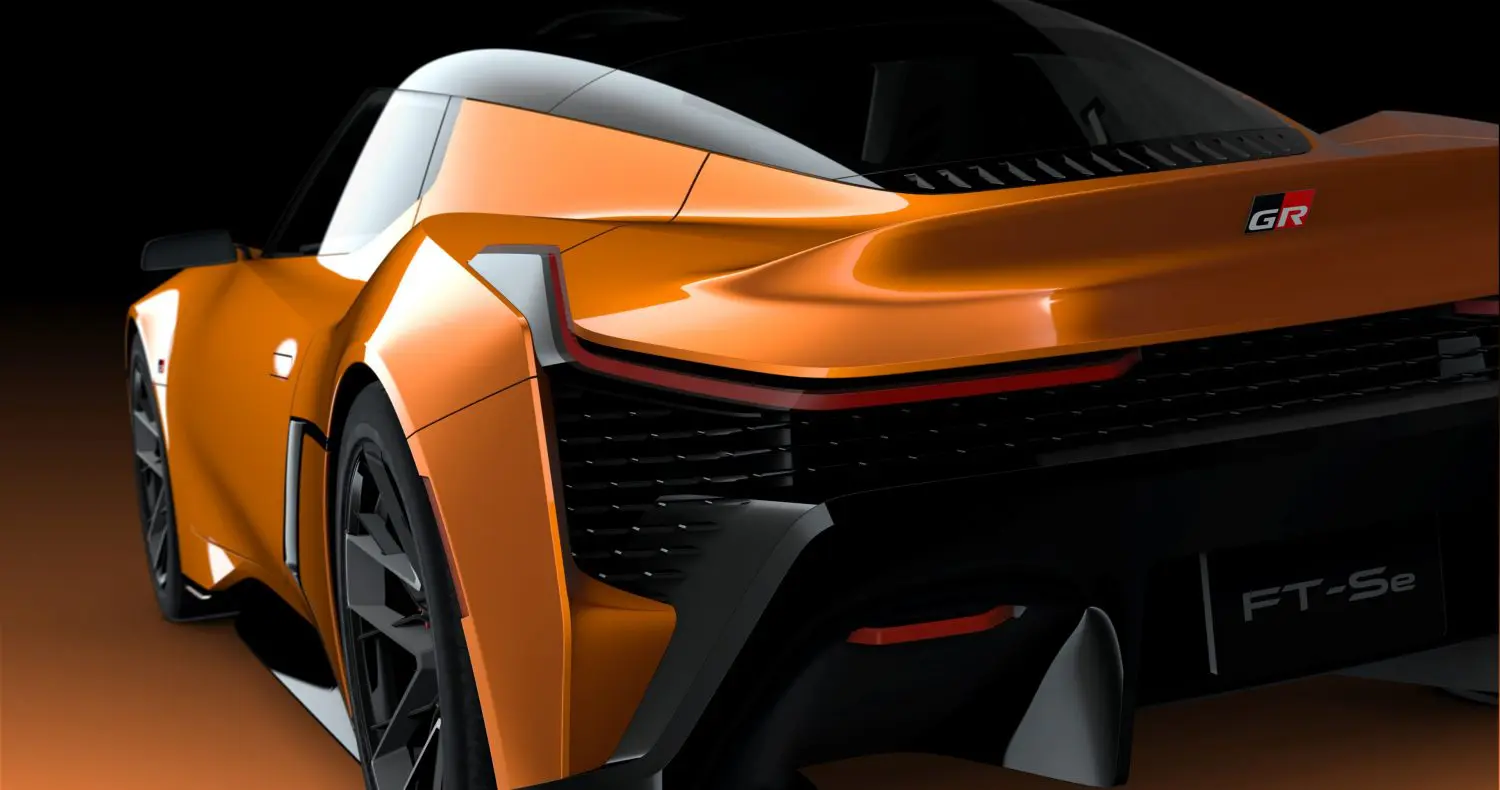
Under its deal with Tesla, Toyota will introduce NACS-compatible cars in 2025, starting with a new electric SUV. Lexus will receive its own version slightly later in 2026. Unlike other OEMs, most of whom intend to implement the electric vehicle charging standard across their entire lineups, it appears that the two companies will only include NACS outlets in a select range of models. However, adapters will soon be available for all Toyota or Lexus EV drivers. Under the leadership of its new CEO, Koji Sato, the Japanese automaker has heavily accelerated its electric vehicle plans to compensate for years of delay, a consequence of long-held anti-electrification sentiments among its executive team, including previous chief Akio Toyoda.

Adoption of the NACS may help solve a key hurdle to EV proliferation: inadequate infrastructure. Although the number of public charging stations has rapidly increased in 2023, availability varies heavily from area to area. Charging stations are especially difficult to find in rural states where EV demand is typically lower than in urban regions. By agreeing to a universal design, the automotive industry can improve electric vehicle charging accessibility for all drivers, regardless of brand or model.

Read More
More from Articles
Ford stock surges as energy storage ambitions fuel investor optimism

Ford stock surges as energy storage ambitions fuel investor optimism

- May 15, 2026
On the Dash: Ford is expanding beyond vehicle manufacturing into energy storage and infrastructure markets tied to AI growth. Investor enthusiasm suggests Wall Street increasingly values automakers with diversified technology...
Stellantis expands China EV strategy with $1.17B Dongfeng partnership

Stellantis expands China EV strategy with $1.17B Dongfeng partnership

- May 15, 2026
On the Dash: Stellantis is accelerating its EV strategy through deeper partnerships with Chinese automakers and suppliers. China’s leadership in EV technology continues to reshape global manufacturing and sourcing decisions. ...
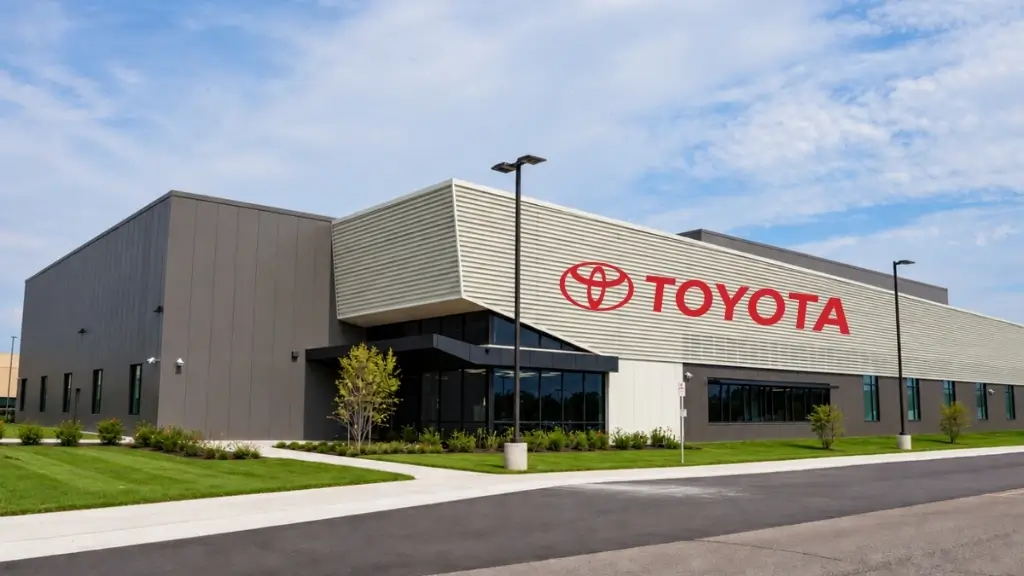
Toyota plans $2B Texas factory expansion amid U.S. production push

Toyota plans $2B Texas factory expansion amid U.S. production push

- May 15, 2026
On the Dash: Toyota is increasing U.S. production capacity as tariffs continue reshaping global vehicle sourcing and pricing. Expanded domestic truck production could improve inventory stability and reduce exposure to...
Auto loan balances newly entering serious delinquency held at 2.97% in Q1, as the pace of missed payments slowed.

Auto loan delinquencies hold near 3% as borrower stress eases

- May 14, 2026
On the Dash: Auto loan balances newly entering serious delinquency held at 2.97% in Q1 2026. Borrowers aged 18 to 29 posted the highest serious delinquency rates across all loan...
CBT News
Privacy Overview

This website uses cookies so that we can provide you with the best user experience possible. Cookie information is stored in your browser and performs functions such as recognising you when you return to our website and helping our team to understand which sections of the website you find most interesting and useful.