TSLA392.500392.5%
GM80.540-0.78%
F12.870-0.005%
RIVN16.92016.92%
CYD44.1700.91%
HMC25.3600.36%
TM215.250-1.95%
CVNA401.89014.36%
PAG162.8201.5%
LAD288.7605.72%
AN209.5301.54%
GPI351.2101.27%
ABG212.7101.27%
SAH71.7801.08%
TSLA392.500392.5%
GM80.540-0.78%
F12.870-0.005%
RIVN16.92016.92%
CYD44.1700.91%
HMC25.3600.36%
TM215.250-1.95%
CVNA401.89014.36%
PAG162.8201.5%
LAD288.7605.72%
AN209.5301.54%
GPI351.2101.27%
ABG212.7101.27%
SAH71.7801.08%
TSLA392.500392.5%
GM80.540-0.78%
F12.870-0.005%
RIVN16.92016.92%
CYD44.1700.91%
HMC25.3600.36%
TM215.250-1.95%
CVNA401.89014.36%
PAG162.8201.5%
LAD288.7605.72%
AN209.5301.54%
GPI351.2101.27%
ABG212.7101.27%
SAH71.7801.08%

Stellantis taps supplier tech to boost Jeep hybrids as US hybrid sales surge

To address increasing fuel-efficiency requirements, the new Cherokee hybrid and upcoming extended-range Ram pickups are adopting systems backed by Toyota and Bosch, respectively.

Jeep Cherokee hybrid , supplier

On the Dash:

  • Hybrid vehicles are a growing segment that offer fuel efficiency without lifestyle changes and could boost dealership sales.
  • Supplier partnerships can accelerate vehicle launches but require monitoring of component integration.
  • Extended-range hybrid pickups, like the Ram 1500, provide new selling points with record driving ranges.

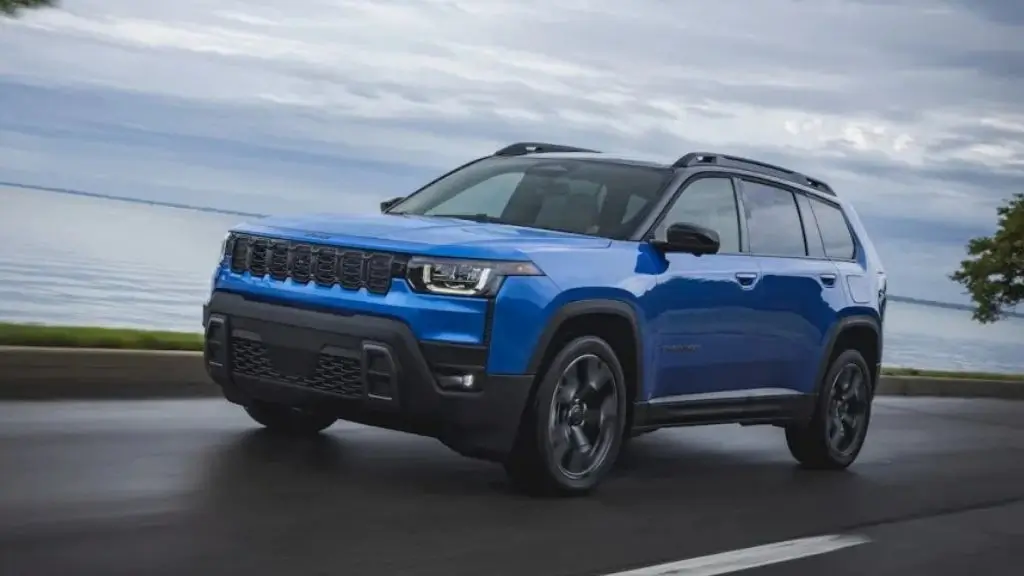
Stellantis is leaning on supplier technologies for its newest hybrid SUVs as demand for fuel-efficient vehicles rises, CNBC reported. The automaker’s North American Jeep Cherokee uses a two-motor electric continuously variable hybrid transmission from Blue Nexus, a Toyota-backed company, while its upcoming extended-range electric vehicles (EREVs) use major systems from Bosch.

Hybrid systems have been integrated with Stellantis engines to meet the company’s standards and driving dynamics. The Cherokee, which achieves 37 mpg combined, is the most fuel-efficient non-plug-in Jeep ever produced for the U.S., and the Ram 1500 extended-range hybrid pickup, launching in early 2026, will offer up to 690 miles between its gas engine and battery power.

Sign up for CBT News’ daily newsletter and get the latest industry stories delivered straight to your inbox

Turning to supplier partnerships is a strategic move to reduce research and development costs and accelerate time-to-market. While automakers commonly use components from suppliers, it is less common to rely on key systems, particularly those developed by competitors. Stellantis’ approach reflects broader industry shifts away from all-electric vehicles, which have faced flat consumer adoption and high development costs.

U.S. hybrid sales have grown from 7.3% of the market in 2023 to 12.6% in 2025, while all-electric vehicle sales rose from 7.5% to 8%. S&P Global Mobility forecasts that hybrids will account for 18.4% of U.S. sales this year, while all-electric vehicles will account for 7.1%.

Officials with Stellantis and supplier companies declined to comment on the partnerships, though sources confirmed the details to CNBC. Analysts note that hybrid technology allows automakers to offer improved fuel economy without requiring lifestyle changes from consumers and provides dealerships with new sales opportunities in a segment that continues to grow.


More from EVs & Technology
Stellantis, Microsoft deepen alliance to supercharge AI and cybersecurity capabilities 

Stellantis, Microsoft deepen alliance to supercharge AI and cybersecurity capabilities 

- April 16, 2026
On the Dash: Stellantis’ partnership signals a faster rollout of connected-vehicle features and software-driven services across brands AI integration is expected to improve development speed, validation, and vehicle performance throughout...
Ford creates unified product organization to accelerate EV, software rollout and margin goals

Ford creates unified product organization to accelerate EV, software rollout

- April 16, 2026
On the Dash: A portfolio refresh signals a consistent pipeline of updated trucks and electrified models through 2029. Expanded software and OTA capabilities will increase focus on digital services and...
Tesla outlook strengthens as software updates fuel investor confidence

Tesla outlook strengthens as software updates fuel investor confidence

- April 16, 2026
On the Dash: Tesla’s software-driven model highlights the growing importance of recurring revenue streams like FSD subscriptions. AI and software capabilities are emerging as key differentiators in the EV market. ...
Tesla rolls out Spring 2026 update

Tesla rolls out Spring 2026 update with AI, self-driving push

- April 14, 2026
On the Dash: Tesla continues to use software updates to drive recurring revenue, particularly through simplified FSD subscription access and usage tracking. Hardware dependency is increasing, creating a clearer distinction...
CBT News
Privacy Overview

This website uses cookies so that we can provide you with the best user experience possible. Cookie information is stored in your browser and performs functions such as recognising you when you return to our website and helping our team to understand which sections of the website you find most interesting and useful.